Top 10 Fascinating Facts About Clownfish That Will Make You Fall in Love
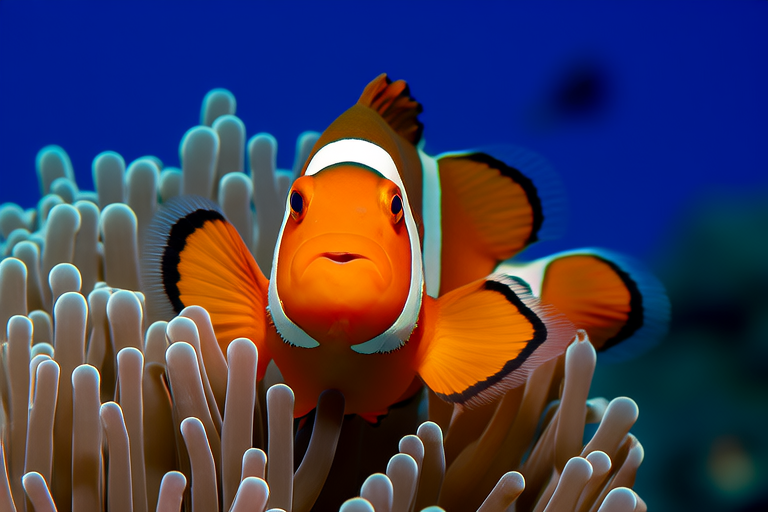
Clownfish, those vibrant orange and white fish that inhabit coral reefs, have captured the hearts of many thanks to their starring role in the animated film Finding Nemo. But beyond their charismatic appearance, these creatures possess a plethora of fascinating traits that will leave you amazed. From their unique relationships with sea anemones to their complex social structures, clownfish are truly captivating. In this article, we’ll explore ten incredible facts about clownfish that will deepen your appreciation for these remarkable marine animals.
1. Clownfish Are Natural Divers
Did you know that clownfish can dive to depths of up to 130 meters? This impressive diving ability allows them to explore various parts of the ocean, far beyond the reach of most people. Their ability to withstand the pressure at such depths is due to their small size and streamlined bodies. The next time you’re at an aquarium, take a moment to appreciate how these tiny creatures can navigate such extreme environments.
2. They Have a Unique Relationship with Sea Anemones
One of the most distinctive features of clownfish is their symbiotic relationship with sea anemones. These fish live among the tentacles of anemones, which provide them with protection from predators. The anemone’s stinging cells, called nematocysts, paralyze prey and deter potential threats. However, clownfish have developed a thick mucus layer that protects them from the anemone’s sting. In return, clownfish offer food to the anemone by bringing it small particles and detritus. This mutually beneficial arrangement has evolved over millions of years, creating a true partnership between the two species.
3. Clownfish Are Omnivores
Contrary to popular belief, clownfish are not exclusively herbivores. They have a varied diet that includes algae, plankton, and small crustaceans. Their omnivorous nature helps them thrive in diverse ecosystems, allowing them to adapt to changing environmental conditions. This dietary flexibility is just one of the reasons why clownfish are so successful in their natural habitats.
4. They Can Change Sex
Clownfish exhibit a unique reproductive strategy known as sequential hermaphroditism. Within a group, there is typically one dominant female and several males. If the female dies, the largest male will transform into a female to take her place. This ability to change sex ensures the survival of the species and maintains the balance within the group. This fascinating adaptation showcases the resilience and adaptability of clownfish in the face of adversity.
5. Clownfish Are Social Creatures
Clownfish live in groups, forming strong bonds with their fellow fish. These groups usually consist of a breeding pair and several non-breeding individuals. The breeding pair is responsible for protecting the group and ensuring its survival. Non-breeding members assist in caring for the young and maintaining the health of the group. This social structure is essential for the survival of clownfish, as it allows them to work together and overcome challenges as a team.
6. They Are Highly Sensitive to Environmental Changes
Clownfish are particularly sensitive to changes in their environment, including water temperature, pH levels, and pollution. As global warming continues to affect our oceans, clownfish populations are increasingly under threat. Scientists are working tirelessly to understand the impact of these changes on clownfish and develop strategies to protect them. By learning more about the effects of climate change on marine life, we can take steps to mitigate its impact and ensure the survival of these fascinating creatures.
7. Clownfish Have a Complex Communication System
Clownfish communicate through a variety of methods, including body movements, sounds, and chemical signals. They use these communication tools to coordinate their activities, establish dominance, and attract mates. For example, during mating season, clownfish release pheromones to signal their readiness to breed. These chemical signals help ensure that only compatible individuals mate, increasing the chances of producing healthy offspring. Understanding the communication systems of clownfish can provide valuable insights into their behavior and social dynamics.
8. They Play a Vital Role in Coral Reefs
Clownfish play a crucial role in maintaining the health of coral reefs. By grazing on algae, they prevent it from overgrowing and smothering the coral. Additionally, their waste products serve as nutrients for the coral, promoting its growth and development. Clownfish also help to control the population of small organisms that could otherwise damage the reef. Without clownfish, coral reefs would be much less vibrant and diverse.
9. Clownfish Are Highly Adaptive
Clownfish have adapted to life in the ocean in numerous ways. Their streamlined bodies allow them to swim efficiently, while their protective mucus layer shields them from predators. Their coloration serves as camouflage, helping them blend into their surroundings and avoid detection. These adaptations demonstrate the incredible diversity and complexity of marine life, highlighting the importance of preserving these delicate ecosystems.
10. They Face Numerous Threats
Despite their remarkable adaptations, clownfish are facing numerous threats, including habitat destruction, overfishing, and climate change. These factors have led to a decline in clownfish populations, raising concerns about their long-term survival. Conservation efforts are underway to protect clownfish and their habitats, but much work remains to be done. By supporting conservation initiatives and making sustainable choices, we can help ensure the survival of these amazing creatures.
Call to Action: Join the Fight for Marine Life Conservation
As we’ve seen, clownfish are fascinating creatures with unique behaviors and adaptations. However, they are also vulnerable to the challenges facing our oceans today. To learn more about marine life conservation and get involved in protecting these incredible animals, visit your local aquarium or marine conservation organization. Together, we can make a difference and ensure that clownfish continue to thrive in their natural habitats for generations to come.
