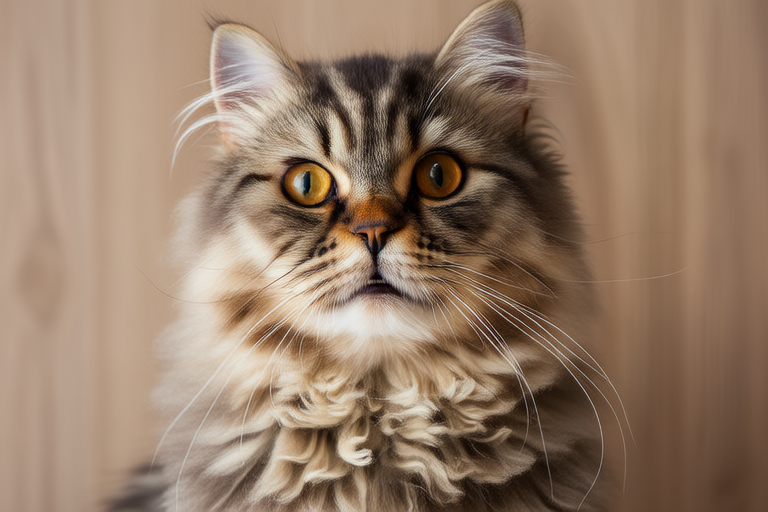
Unraveling the Mystery of the Curly-Coated Devon Rex: Facts and Myths
The curly-coated Devon Rex is a breed that has captured the hearts of many cat enthusiasts with its unique appearance and charming personality. This article aims to delve into the history, physical traits, behaviors, and common misconceptions surrounding this fascinating breed.
History and Unique Appearance
The curly-coated Devon Rex originates from Devon, England, where it was first discovered in the 1960s. This breed is known for its distinctive curly coat, which is caused by a genetic mutation. The first Devon Rex was found as a stray kitten named Kirlee, who had a striking curly coat. Kirlee’s offspring inherited his curly fur, leading to the development of the breed we know today.
The Devon Rex’s coat is perhaps its most defining characteristic. Unlike other curly-haired breeds such as the Cornish Rex, the Devon Rex has a shorter, finer coat. Their hair forms waves and curls, giving them a soft, plush appearance. The texture of their fur can vary, with some cats having a silkier feel while others may have a more woolly texture.
Physical Characteristics
The Devon Rex is a medium-sized cat, typically weighing between 6 to 10 pounds. They have large, expressive eyes that often appear slightly hooded, giving them a mischievous look. Their ears are large and wide-set, contributing to their alert and curious demeanor.
One of the most striking features of the Devon Rex is its body structure. They have long legs, a slender build, and a small head. Their whiskers are often curly or kinked, adding to their unique appearance. Despite their delicate frame, they are surprisingly sturdy and agile.
Distinguishing the Devon Rex from other cat breeds is relatively straightforward due to their curly coats and specific facial features. The Cornish Rex, for example, shares the curly coat trait but has a different body type and ear shape. The Devon Rex also differs from the Selkirk Rex, which has a much thicker, fluffier coat.
Behavior, Intelligence, and Temperament
The Devon Rex is known for its high level of activity and playfulness. These cats are often referred to as the clowns of the cat world due to their playful antics and love for interactive toys. They are incredibly intelligent, capable of learning tricks and responding to commands. Owners have reported that Devon Rexes can even open cabinets and doors, showcasing their problem-solving skills.
In terms of temperament, the Devon Rex is affectionate and enjoys human companionship. They are known to follow their owners around the house, seeking attention and engagement. Despite their active nature, they can be gentle and calm when given the opportunity to relax. Devon Rexes tend to form strong bonds with their owners and can become quite attached, making them excellent companions for those who enjoy a close relationship with their pets.
Popular Myths and Misconceptions
There are several myths and misconceptions surrounding the curly-coated Devon Rex that need to be addressed. One common myth is that all Devon Rexes are hypoallergenic. While some individuals may produce fewer allergens than others, no cat breed is completely hypoallergenic. The protein Fel d 1, which is responsible for causing allergies in humans, is present in all cats.
Another misconception is that Devon Rexes require less grooming due to their short, fine coat. In reality, their curly fur can tangle easily, especially behind the ears and on the tail. Regular brushing and combing are necessary to maintain their coat’s health and prevent matting.
Some people believe that Devon Rexes are less prone to health issues because of their unique appearance. However, like all breeds, they can be susceptible to certain genetic conditions. It’s important for potential owners to research and understand the potential health concerns associated with the breed.
Tips for Potential Owners
If you’re considering adopting a curly-coated Devon Rex, there are several factors to keep in mind. First and foremost, ensure that you have the time and energy to meet their active lifestyle. Devon Rexes thrive on interaction and mental stimulation, so it’s essential to provide them with plenty of toys and activities to keep them engaged.
Grooming is another crucial aspect of owning a Devon Rex. As mentioned earlier, their curly coat requires regular brushing and combing. Using a slicker brush or a wide-toothed comb can help prevent matting and keep their coat looking its best. Additionally, bathing your Devon Rex occasionally may be necessary to remove any oils or debris that accumulate in their fur.
Healthcare is paramount for any pet, and Devon Rexes are no exception. Regular veterinary check-ups, vaccinations, and preventative treatments for parasites are essential. Pay particular attention to any signs of skin irritation or infections, as these can be more prevalent in curly-haired breeds. Feeding your Devon Rex a balanced diet is also crucial for maintaining their overall health and well-being.
Lastly, consider the environment you provide for your Devon Rex. These cats are highly social and benefit from a stimulating home environment. Providing scratching posts, climbing structures, and hiding spots can enrich their lives and satisfy their natural instincts. Devon Rexes also enjoy being part of the family and will appreciate being included in daily activities.
In conclusion, the curly-coated Devon Rex is a breed that combines unique physical traits with an engaging and affectionate personality. By understanding their history, physical characteristics, behaviors, and special care requirements, potential owners can make informed decisions and provide the best possible life for their new feline companion. Whether you’re a seasoned cat owner or considering your first pet, the Devon Rex offers a rewarding and delightful experience for those who are willing to invest the time and effort to care for them properly.
