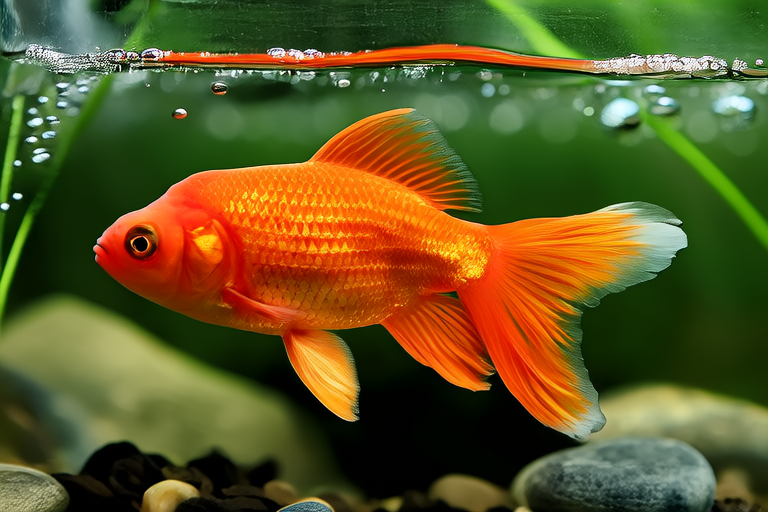
The Ultimate Guide to Keeping Your Goldfish Happy and Healthy
Introduction
Welcome to the world of goldfish keeping! Goldfish are one of the most popular pets worldwide due to their vibrant colors, playful behavior, and relatively low maintenance requirements. However, to ensure your goldfish lead long, healthy lives, it’s crucial to understand the basics of their care. This guide will cover everything from setting up an ideal tank environment to maintaining water quality, providing the right diet, addressing common health issues, and understanding your goldfish’s behavior.
Optimal Tank Setup
Creating a suitable habitat is the first step towards ensuring your goldfish’s happiness and longevity. Here’s what you need to know:
Tank Size
Goldfish require more space than many people realize. A single goldfish should have at least 20 gallons of water, with each additional goldfish needing an extra 10 gallons. Larger tanks provide better water quality and allow for more swimming space.
Filtration
A high-quality filter is essential for maintaining water quality. It should process at least four times the volume of the tank per hour. Choose a filter that combines mechanical, biological, and chemical filtration for best results.
Heating and Lighting
Goldfish are coldwater fish and generally don’t need a heater. However, they benefit from consistent temperatures between 68°F and 74°F (20°C to 23°C). Avoid direct sunlight, which can cause algae growth, and opt for a 10-hour light cycle to simulate day and night.
Substrate and Decorations
While not mandatory, a soft substrate like sand or fine gravel is preferable to avoid damaging your goldfish’s delicate barbels. Add plants and decorations for hiding spots and to mimic natural environments. Ensure all items are non-toxic and smooth to prevent injuries.
Water Quality Maintenance
Water quality is paramount for goldfish health. Here’s how to maintain it:
Water Parameters
Regularly test your water for pH (6.5-7.5), ammonia (0 ppm), nitrite (0 ppm), and nitrate (below 20 ppm). High levels of ammonia and nitrite are toxic and can lead to severe health issues.
Water Changes
Change 25% of the water weekly to remove toxins and replenish essential minerals. Always use a dechlorinator to neutralize harmful chemicals in tap water.
Preventative Measures
Install a UV sterilizer to control algae and parasites. Use activated carbon in your filter to absorb odors and impurities.
Appropriate Diet
Nutrition plays a significant role in your goldfish’s health and vitality. Here’s what to feed them:
Diet Composition
Goldfish are omnivores and thrive on a balanced diet of flakes, pellets, vegetables, and occasional live foods. Offer a variety of foods to ensure they get all necessary nutrients.
Feeding Schedule
Feed your goldfish twice daily, offering as much food as they can consume within two minutes. Overfeeding leads to poor water quality and health problems.
Special Considerations
During breeding season, goldfish may require increased protein intake. Pregnant females benefit from higher fiber content in their diet. Consult a veterinarian for specific dietary needs during these periods.
Common Health Issues
Despite your best efforts, goldfish can fall ill. Recognizing and treating common ailments early can save their lives:
Fungal Infections
Fungi appear as white cotton-like growths on the body. Treat with antifungal medications and improve water quality. Prevention includes minimizing stress and avoiding overcrowding.
Bacterial Infections
Symptoms include red streaks, ulcers, and lethargy. Antibiotics are necessary for treatment. Regular water changes and a robust immune system can prevent bacterial infections.
Swim Bladder Disorder
This condition causes difficulty in swimming upright. It can be caused by constipation, physical injury, or disease. Adjust the diet to include more fiber-rich foods and monitor for signs of illness.
Behavioral Insights
Understanding your goldfish’s behavior helps identify potential problems and enriches their life:
Normal Behavior
Healthy goldfish are active swimmers, often seen exploring their environment. They eat eagerly and interact with other fish. Pay attention to their daily routines to notice any deviations.
Signs of Stress
Stress can manifest as lethargy, loss of appetite, erratic swimming, or hiding. Common stressors include poor water quality, aggressive tank mates, and sudden environmental changes.
Interactive Play
Engage your goldfish with toys and interactive feeding methods. Floating food dispensers or sinking treats encourage natural foraging behaviors. Rotate toys to keep them mentally stimulated.
Conclusion
Maintaining happy and healthy goldfish involves more than just providing food and water. By setting up an ideal tank environment, maintaining pristine water conditions, offering a balanced diet, recognizing and treating health issues promptly, and understanding their behavior, you can ensure your goldfish enjoy long, fulfilling lives. With dedication and knowledge, you’ll become an expert in goldfish care, creating a thriving aquatic community for your beloved pets.
