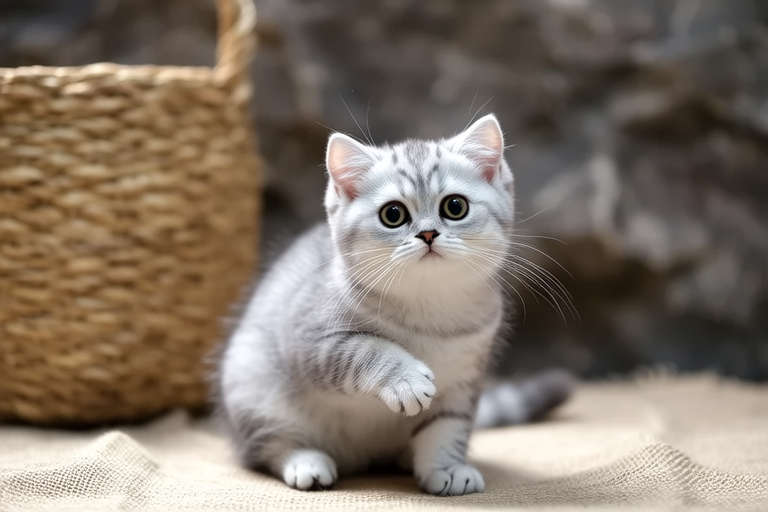
From Andes to Your Home: The Ultimate Guide to Chinchilla Care
Welcome to the fascinating world of chinchillas! These small, fluffy creatures hail from the high altitudes of the Andes Mountains in South America. Known for their luxurious fur and playful nature, chinchillas make wonderful pets for those who are willing to provide the specialized care they require. This guide will walk you through everything you need to know about chinchilla care, from their origins and unique characteristics to housing, feeding, grooming, and healthcare.
The Origins and Characteristics of Chinchillas
Chinchillas originally inhabited the rocky terrain of the Andes Mountains, where they lived in colonies at elevations above 3,000 meters. Their natural habitat is characterized by cold temperatures and low humidity, which has shaped their unique physical adaptations. Chinchillas have incredibly dense fur, with up to 60 hairs growing from each follicle. This thick coat helps them maintain body heat in their native mountainous environment. Their large ears and eyes also help them detect predators in their rugged surroundings.
Chinchillas are known for their gentle yet curious nature. They are highly social animals that thrive in the company of others, but they can also be solitary if necessary. In captivity, they can form strong bonds with their human caregivers. Chinchillas are nocturnal, meaning they are most active during the night, which can be a consideration when setting up their living space.
Diet and Nutrition
A balanced diet is crucial for the health of your chinchilla. Their diet should primarily consist of hay, which provides the fiber necessary for proper digestion. Timothy hay is often recommended for chinchillas, though other types of grass hays can be offered occasionally. Fresh water should always be available, and it’s important to check the water bottle daily to ensure it is functioning properly.
In addition to hay, chinchillas can eat a variety of commercial chinchilla pellets designed specifically for their nutritional needs. These pellets should be supplemented with fresh vegetables, such as carrots, broccoli, and leafy greens. However, it’s important to introduce new foods gradually to avoid digestive upset. Avoid feeding chinchillas sugary or fatty treats, as these can lead to obesity and dental problems.
Habitat Setup
Creating a suitable habitat for your chinchilla is key to their well-being. A spacious cage is essential, providing enough room for exercise and exploration. The cage should be at least 3 feet wide, 2 feet deep, and 2 feet tall for one chinchilla, with additional space needed for multiple chinchillas. Wire cages are preferred as they allow for good ventilation and prevent the buildup of moisture, which can lead to respiratory issues.
Bedding is another important consideration. Aspen shavings or paper-based bedding are safe options, but avoid cedar and pine shavings, as they can irritate a chinchilla’s respiratory system. The cage should include ramps, platforms, and toys to encourage climbing and play. Providing a hiding box or nest area can also help your chinchilla feel secure.
Necessary Accessories
Besides the basic cage setup, there are several accessories that can enhance your chinchilla’s quality of life. A dust bath container is essential, as chinchillas require regular dust baths to keep their fur clean and healthy. A shallow dish filled with special chinchilla dust is ideal for this purpose. Other useful accessories include chew toys, which help wear down the chinchilla’s continuously growing teeth, and a water bottle with a metal ball bearing spout.
Grooming and Dust Bathing
Grooming is an important part of maintaining your chinchilla’s health. Regular dust bathing is crucial for their hygiene and well-being. Chinchillas roll around in the dust, which helps remove oils and dirt from their fur. It’s recommended to offer a dust bath twice a week for about 15 minutes each time. After the bath, ensure the dust is removed from the cage to prevent respiratory issues.
Aside from dust bathing, chinchillas should be handled gently and frequently to get used to human contact. This can help prevent stress and behavioral issues. Regular brushing with a soft brush can also help remove loose fur and distribute natural oils throughout the coat.
Healthcare and Common Diseases
Regular veterinary check-ups are essential for keeping your chinchilla healthy. A veterinarian familiar with exotic pets should examine your chinchilla annually. Common health issues include dental problems, respiratory infections, and gastrointestinal disorders. Dental issues can be prevented by providing appropriate chew toys and a balanced diet. Respiratory infections can be avoided by maintaining good cage hygiene and temperature control. Gastrointestinal issues may arise if the diet is not properly balanced.
Signs of illness in chinchillas include lethargy, loss of appetite, diarrhea, and changes in behavior. If you notice any of these symptoms, consult a veterinarian immediately. Early intervention can often prevent more serious health complications.
Handling and Socializing Chinchillas
Chinchillas can be skittish, so it’s important to handle them gently and calmly. Start by allowing them to become comfortable in their new environment before attempting to hold them. Use both hands to support the chinchilla, being careful not to squeeze or drop them. Speak softly and move slowly to reduce stress.
Socializing chinchillas can be rewarding. They enjoy the company of other chinchillas and can also bond with their human caregivers. Introducing a second chinchilla requires patience and careful supervision to ensure compatibility. Chinchillas can live together peacefully if introduced gradually and given ample space.
Tips for Ensuring a Happy and Healthy Chinchilla
To ensure your chinchilla remains happy and healthy, follow these tips:
- Provide a stimulating environment with plenty of toys and activities.
- Monitor their diet closely and adjust as needed based on their weight and activity level.
- Keep the cage clean and well-ventilated to prevent respiratory issues.
- Handle your chinchilla regularly to build trust and reduce stress.
- Watch for signs of illness and seek veterinary care promptly if necessary.
- Provide opportunities for social interaction, whether with other chinchillas or humans.
By following these guidelines, you can provide your chinchilla with a loving and enriching home environment. With proper care, your chinchilla can thrive and bring joy to your household for many years.
