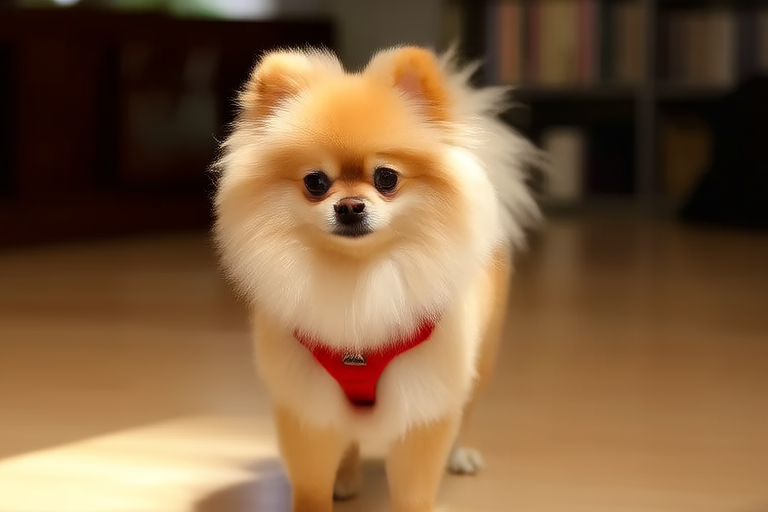
Training Tips for Taming Your Tiny Terror: A Guide for Pomeranian Owners
Welcome to the wonderful world of Pomeranians! These little bundles of energy are beloved for their fluffy coats and big personalities. However, their small size can sometimes be misleading; these dogs are full of spirit and require careful training to channel that energy positively. This guide will provide you with practical training methods, understand common behavioral issues, and offer solutions for both new and experienced owners.
Understanding the Pomeranian Temperament
Pomeranians are known for their alertness, loyalty, and playful nature. They are also very intelligent, which can sometimes make them stubborn. Their small size often leads people to underestimate their need for mental stimulation and physical exercise. Understanding your Pomeranian’s temperament is key to effective training. They thrive on attention and affection but can become overly attached or anxious if not properly socialized from an early age.
The Importance of Early Training
Early training is crucial for Pomeranians because it sets the foundation for their behavior as they grow. Puppies are more receptive to learning during their first few months, making this period ideal for introducing basic commands and good habits. Early training also helps prevent future behavioral issues, such as excessive barking or aggression towards strangers.
Positive Reinforcement Techniques
Positive reinforcement is the most effective method for training Pomeranians. It involves rewarding desired behaviors with treats, praise, or playtime. This approach encourages your dog to repeat the behavior because it associates it with something pleasant. Consistency is key; always reward the behavior you want to encourage and ignore unwanted behaviors.
Basic Commands
Teaching Sit
To teach your Pomeranian to sit, hold a treat above their nose and slowly move it back over their head. As they follow the treat, their bottom will naturally lower to the ground. Say “sit” as they lower themselves, and once they’re seated, give them the treat and praise them. Repeat this several times daily until they associate the word “sit” with the action.
Teaching Stay
Once your Pomeranian has mastered sitting, you can introduce the stay command. Start with short durations, saying “stay” while holding your hand out in front of them. Gradually increase the time they must remain still before rewarding them. Always return to them immediately after asking them to stay.
Teaching Come
Teaching your Pomeranian to come when called is essential for their safety. Begin in a quiet, distraction-free environment. Call your dog’s name followed by “come,” and reward them with treats and praise when they reach you. Practice this in various settings to ensure they respond even when there are distractions.
Socialization
Socializing your Pomeranian is vital for their emotional well-being and helps prevent behavioral problems like fearfulness or aggression. Expose your puppy to different environments, people, and other animals from an early age. Positive experiences during socialization can help your Pomeranian become confident and friendly adults.
Dealing with Stubbornness
Pomeranians can be stubborn, especially when they don’t see the point of obeying commands. Patience and persistence are necessary. Break down complex tasks into smaller steps and reward each step along the way. Keep training sessions short and fun to maintain your dog’s interest. If your Pomeranian becomes frustrated, take a break and try again later.
Addressing Common Behavioral Issues
Excessive Barking
Excessive barking is one of the most common complaints among Pomeranian owners. Barking is a natural behavior for dogs, but it can become problematic if not managed. To address this issue, identify the triggers for your dog’s barking and work on desensitizing them. For example, if your Pomeranian barks at strangers, gradually expose them to new people in controlled situations, rewarding calm behavior.
Aggression Towards Strangers
Some Pomeranians may show aggression towards strangers due to fear or territorial instincts. This behavior can be dangerous and should be addressed promptly. Desensitization and counterconditioning are effective strategies. Gradually expose your dog to strangers in a controlled manner, ensuring each encounter is positive. Reward calm behavior and avoid punishing your dog, as this can reinforce fear-based aggression.
Maintaining Consistency
Consistency is critical in training your Pomeranian. Use the same commands and cues every time, and ensure everyone in your household follows the same rules. Inconsistency can confuse your dog and undermine your efforts. Regular practice and reinforcement will help solidify the commands and behaviors you’ve taught.
Physical and Mental Stimulation
Providing adequate physical and mental stimulation is essential for a happy and well-behaved Pomeranian. Daily walks, playtime, and interactive toys can help burn off excess energy and keep your dog mentally engaged. Puzzle toys and training games are excellent ways to challenge your Pomeranian’s mind and prevent boredom.
Conclusion
Raising a well-trained Pomeranian requires patience, dedication, and a positive attitude. By understanding your dog’s temperament, using positive reinforcement, and maintaining consistency, you can help your Pomeranian become a delightful companion. Remember that every dog is unique, and some may require more effort than others. With love, patience, and proper training, you can successfully tame your tiny terror and enjoy many years of companionship with your Pomeranian.
