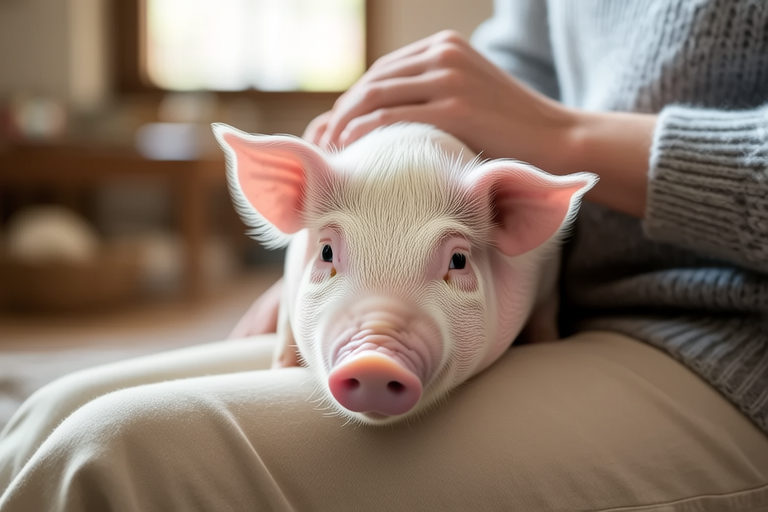
The Surprising Health Benefits of Owning a Mini Pig as a Companion Animal
In recent years, mini pigs have emerged as an increasingly popular choice for companion animals. Beyond their cute appearance and playful nature, these pint-sized creatures offer a plethora of health benefits to their owners. From reducing stress and improving cardiovascular health to alleviating loneliness and boosting happiness, mini pigs can be a valuable addition to any household. This article delves into the surprising ways in which owning a mini pig can enhance both physical and mental well-being, along with tips for potential owners to ensure a healthy and happy life for their new pet.
Physical Health Benefits
Reduced Stress and Improved Cardiovascular Health
Interacting with animals, particularly those that are affectionate and attentive like mini pigs, has been shown to reduce stress levels in humans. The simple act of petting a mini pig can lower cortisol levels, the hormone responsible for stress. In a study conducted by the American Heart Association, participants who owned pets, including mini pigs, reported lower blood pressure and heart rates compared to those without pets. These physiological changes contribute to better cardiovascular health over time.
Case Study: Sarah’s Story
Sarah, a 45-year-old marketing executive, found herself overwhelmed with work-related stress. After adopting a mini pig named Charlie, she noticed significant improvements in her overall well-being. “Charlie is always there for me,” Sarah says. “He listens when I talk about my day and gives me a sense of calm that no amount of yoga or meditation ever could.” Sarah’s blood pressure readings have stabilized since Charlie joined her family, and she credits him with helping her maintain a healthier lifestyle.
Emotional and Mental Health Improvements
Decreased Loneliness and Increased Happiness
Mini pigs are known for their strong bonds with their human companions, making them excellent companions for individuals dealing with feelings of isolation or loneliness. Their loyalty and attentiveness create a sense of purpose and belonging, which can significantly improve one’s emotional state. A survey conducted by the Centers for Disease Control and Prevention (CDC) found that pet owners, especially those with smaller animals like mini pigs, report higher levels of happiness and satisfaction with life.
Case Study: Mark’s Journey
Mark, a 68-year-old widower, struggled with depression after losing his wife. His daughter suggested adopting a mini pig to help ease his pain. “At first, I wasn’t sure if I was ready for another responsibility,” Mark admits. “But once Peanut came into my life, everything changed. She follows me around the house, and we take long walks together. It’s given me something to look forward to every day.” Mark’s mental health has improved dramatically since adopting Peanut, and he now volunteers at a local animal shelter.
Unique Traits of Mini Pigs as Therapy Animals
Mini pigs possess several qualities that make them ideal therapy animals. Their small size allows them to be easily transported and accommodated in various settings, from hospitals to schools. They are also hypoallergenic, meaning they produce fewer allergens than other common pets, making them suitable for people with allergies. Additionally, mini pigs are intelligent and trainable, which enables them to perform specific tasks that can assist individuals with disabilities.
Real-Life Example: Therapy Pig Program
The Mini Pig Therapy Program in New York City pairs trained mini pigs with patients in rehabilitation centers. One participant, John, suffered a stroke and had difficulty regaining mobility. With the help of therapy pig Daisy, John made remarkable progress. “Daisy motivates me to keep working hard during my physical therapy sessions,” John explains. “She’s always there to give me encouragement when I need it most.”
Tips for Potential Owners
Proper Care and Feeding
To ensure your mini pig remains healthy and continues to provide you with health benefits, proper care and feeding are essential. Mini pigs require a balanced diet consisting of commercial pig feed, vegetables, fruits, and occasional treats. Regular exercise is also important; consider taking your mini pig for daily walks or setting up an obstacle course in your backyard. Grooming your pig regularly will help prevent skin issues and keep its coat healthy.
Training and Socialization
Training your mini pig from an early age can help establish good behavior and strengthen the bond between you and your pet. Basic commands such as ‘sit,’ ‘stay,’ and ‘come’ can be taught using positive reinforcement techniques. Socializing your mini pig with other animals and people will also promote its confidence and reduce any potential behavioral problems.
Veterinary Care
Regular veterinary check-ups are crucial for maintaining your mini pig’s health. Schedule annual visits for vaccinations, parasite control, and routine examinations. Be proactive about addressing any health concerns promptly to avoid more serious issues down the road. Consult with your veterinarian about appropriate healthcare products for your mini pig, such as flea and tick treatments or supplements.
Conclusion
Owning a mini pig as a companion animal offers numerous health benefits, both physically and emotionally. By reducing stress, improving cardiovascular health, decreasing loneliness, and increasing happiness, mini pigs can positively impact their owner’s quality of life. Their unique traits make them effective therapy animals capable of providing comfort and support in various settings. With proper care, training, and socialization, mini pigs can become cherished members of the family, bringing joy and companionship for years to come.
