Top 10 Myths Busted About Keeping Fancy Rats as Pets
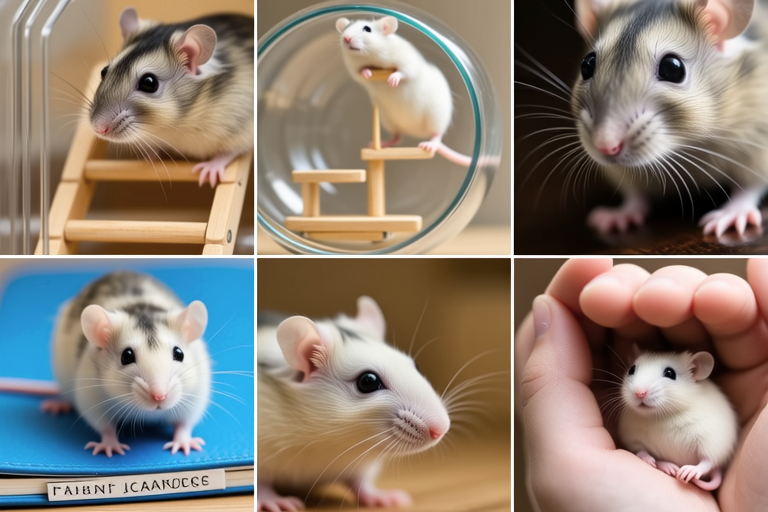
Fancy rats, also known as laboratory or domesticated rats, have become increasingly popular as pets in recent years. Their intelligence, social nature, and playful personalities make them ideal companions for those looking for a small, interactive pet. Despite their growing popularity, there are many misconceptions surrounding these charming rodents. This article aims to debunk ten of the most common myths about keeping fancy rats as pets, providing you with accurate information to help you decide if a fancy rat is the right pet for you.
Myth 1: Fancy Rats Are Dirty and Unhygienic
What the Myth Is: Many people believe that fancy rats are inherently dirty and carry diseases that can be easily transmitted to humans.
Why It’s Commonly Believed: The stereotype of rats being disease-ridden scavengers from sewers is often perpetuated by media and folklore.
Rebuttal: With proper care and hygiene, fancy rats can be just as clean as any other pet. They are naturally fastidious animals, spending a significant amount of time grooming themselves. Regular cleaning of their cages, providing fresh bedding, and ensuring they have access to clean water and food can prevent any hygiene issues. Additionally, routine veterinary check-ups can help keep your pet healthy and free from diseases. The key to maintaining a healthy environment for your rat is consistent cleanliness and attention to their basic needs.
Myth 2: Fancy Rats Are Noisy and Disturbant
What the Myth Is: Some believe that fancy rats make excessive noise, which can disturb the household.
Why It’s Commonly Believed: People often associate the term ‘rat’ with the sounds of wild rodents scurrying around in the night.
Rebuttal: While rats may occasionally squeak, chatter, or scratch, these sounds are generally soft and not intrusive. Most of their vocalizations are part of their natural communication, and they are quiet during rest periods. Proper socialization and environmental enrichment can minimize any unwanted noise. In fact, their quiet demeanor and minimal disturbance make them an excellent choice for apartment dwellers or those who prefer a pet that doesn’t demand constant attention.
Myth 3: Fancy Rats Are Aggressive and Nasty
What the Myth Is: There is a widespread belief that all rats are aggressive and prone to biting.
Why It’s Commonly Believed: Media often portrays rats as vicious creatures, and some people have had negative experiences with wild rats.
Rebuttal: Fancy rats are gentle, docile animals when properly handled and socialized. They are highly intelligent and can learn to trust their human companions. With patience and consistent interaction, rats can develop strong bonds with their owners. Avoiding sudden movements and handling them gently can prevent any aggression. Training sessions with treats and positive reinforcement can further enhance their good behavior. A well-socialized rat will rarely bite and can be a loving and affectionate companion.
Myth 4: Fancy Rats Have a Very Short Lifespan
What the Myth Is: It is often thought that fancy rats have a very short lifespan, usually less than one year.
Why It’s Commonly Believed: Wild rats tend to live shorter lives due to harsh living conditions and predators.
Rebuttal: Under optimal conditions, fancy rats can live up to two to three years. Providing them with a healthy diet, regular exercise, and appropriate veterinary care can significantly extend their lifespan. Ensuring a stress-free environment, avoiding overcrowding, and giving them ample space to explore and play are essential factors in promoting longevity. With proper care, fancy rats can enjoy a longer and healthier life, making them a rewarding long-term companion.
Myth 5: Fancy Rats Require Minimal Care and Attention
What the Myth Is: Some believe that fancy rats are low-maintenance pets that require little care or attention.
Why It’s Commonly Believed: Due to their small size, people assume that caring for rats is less demanding compared to larger pets.
Rebuttal: While fancy rats are relatively easy to care for, they still require attention, social interaction, and a stimulating environment. Regular cleaning of their cage, providing a balanced diet, and offering opportunities for exercise and mental stimulation are crucial for their well-being. Spending time with your rat, playing with them, and ensuring they have toys and tunnels to explore can greatly enhance their quality of life. Rats thrive on companionship and mental engagement, so neglecting their needs can lead to health problems and behavioral issues.
Myth 6: Fancy Rats Are Difficult to Train
What the Myth Is: It is commonly thought that fancy rats are difficult to train and cannot be taught tricks or commands.
Why It’s Commonly Believed: The stereotype of rats as cunning but unteachable pests is often reinforced in popular culture.
Rebuttal: Fancy rats are actually quite trainable and can learn a variety of tricks and commands with positive reinforcement techniques. Using treats as rewards and consistency in training can help them understand and respond to simple commands. Tricks such as sitting up, coming when called, or even performing agility tasks can be taught with patience and practice. Training sessions can be fun and rewarding for both you and your rat, strengthening your bond and providing mental stimulation.
Myth 7: Fancy Rats Are Not Social Creatures
What the Myth Is: Many believe that fancy rats are solitary animals that prefer to be alone.
Why It’s Commonly Believed: Wild rats are often seen as antisocial creatures, living in isolated environments.
Rebuttal: Fancy rats are highly social animals that thrive in the company of others. They are known to form strong bonds with their cage mates and can exhibit signs of loneliness or depression if kept alone. Providing companionship within the same sex can prevent behavioral issues and ensure a happier, more contented pet. Additionally, rats enjoy interacting with their human companions, seeking out attention and affection. Social interaction is vital for their emotional well-being, and a well-socialized rat can be a delightful addition to any household.
Myth 8: Fancy Rats Are Expensive to Keep
What the Myth Is: It is often assumed that keeping fancy rats as pets is expensive and beyond the reach of many pet owners.
Why It’s Commonly Believed: The initial cost of purchasing a rat and setting up a proper habitat can seem high.
Rebuttal: While there are initial costs involved in setting up a proper habitat, including a cage, bedding, and toys, the ongoing expenses for fancy rats are relatively low. Basic supplies such as food, bedding, and occasional veterinary care are affordable for most households. Homemade treats and DIY toys can further reduce costs. With careful budgeting and planning, keeping fancy rats can be an economical option for pet lovers. The joy and companionship provided by these intelligent and affectionate animals make the investment worthwhile.
Myth 9: Fancy Rats Spread Diseases Easily
What the Myth Is: There is a misconception that fancy rats are carriers of numerous diseases that can easily spread to humans.
Why It’s Commonly Believed: The association between rats and disease outbreaks in history has contributed to this belief.
Rebuttal: With proper care and hygiene, the risk of disease transmission from fancy rats to humans is minimal. Regular vet visits, vaccinations, and parasite control can help prevent the spread of diseases. Maintaining a clean environment, washing hands after handling your rat, and avoiding direct contact with their waste can further reduce any risks. Educating yourself about zoonotic diseases and taking necessary precautions can ensure the safety of both you and your pet.
Myth 10: Fancy Rats Smell Bad
What the Myth Is: Some people believe that fancy rats have a strong, unpleasant odor.
Why It’s Commonly Believed: The association between rats and garbage or sewers can lead to this assumption.
Rebuttal: Proper care and hygiene can prevent any odor issues with fancy rats. Regular cleaning of their cage, changing bedding, and providing adequate ventilation can keep their living area fresh and odor-free. Bathing your rat occasionally and using unscented, hypoallergenic shampoos can further reduce any body odor. By maintaining a clean environment and following proper hygiene practices, your fancy rat can remain odorless and pleasant to be around.
Conclusion: Proper Care for Your Fancy Rat
By debunking these common myths, we hope to provide you with a clearer understanding of what it means to own a fancy rat as a pet. These intelligent, social, and affectionate animals can bring much joy and companionship to your home. To ensure the best care for your fancy rat, follow these tips:
- Provide a spacious, clean cage with appropriate bedding and toys.
- Feed them a balanced diet of pellets, vegetables, fruits, and occasional treats.
- Ensure they have access to fresh water at all times.
- Engage in regular social interaction and playtime.
- Schedule routine veterinary check-ups and vaccinations.
- Keep their environment clean and hygienic.
With proper care and attention, fancy rats can be wonderful, long-lived companions. Their intelligence, social nature, and playful personalities make them an excellent choice for pet lovers. Whether you’re a first-time pet owner or an experienced animal caretaker, fancy rats offer a unique and rewarding experience. Enjoy the journey of bonding with your furry friend and watch them grow into a cherished member of your family.
