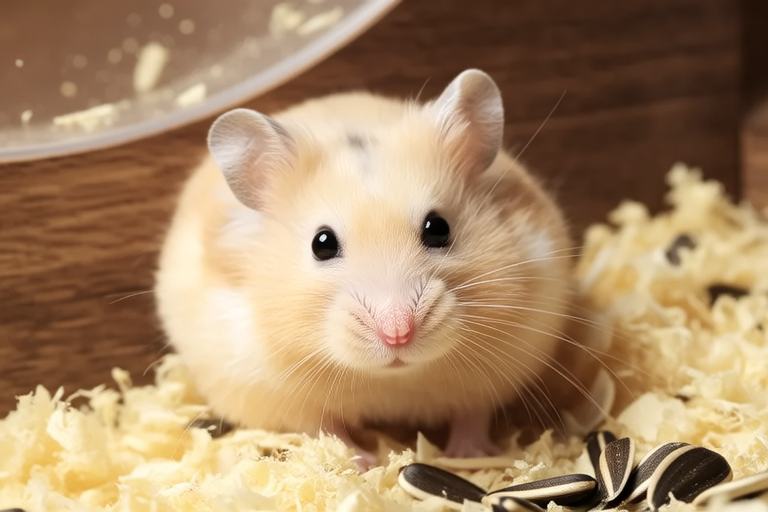
Top 10 Fun Facts About the World’s Smallest Pet Hamster
Welcome to the fascinating world of hamsters! These adorable creatures have captured the hearts of many pet lovers around the globe. Hamsters are small rodents known for their cute appearance and endearing behaviors. Among them, the smallest species offer a unique charm that makes them perfect companions for those looking for a low-maintenance pet. In this article, we will explore ten fun facts about the world’s smallest pet hamster, providing you with insights into their size, behavior, habitat, diet, and more. Let’s dive into the delightful details of these tiny, furry friends.
1. The Dwarf Syrian: The Smallest Hamster Species
The Dwarf Syrian, also known as the Campbell’s dwarf hamster, is one of the smallest hamster species. They typically grow to be only about 3 to 4 inches long, making them ideal for small living spaces. Their diminutive size does not detract from their energy and charm, as they are active and playful despite their petite stature.
2. A Tiny Burrower
In the wild, hamsters are natural burrowers. The smallest hamsters create complex underground homes with multiple chambers for sleeping, storing food, and raising young. Even in captivity, these tiny animals enjoy digging and creating tunnels in their bedding, which can be encouraged by providing appropriate substrate and toys designed for tunneling.
3. Diurnal Habits
Unlike some larger hamster species, the smallest hamsters are primarily diurnal, meaning they are most active during the day. This makes them easier to observe and interact with, as they are awake when their human companions are. Their daytime activity can be a delightful source of entertainment for pet owners who enjoy watching their antics.
4. Omnivorous Diet
The smallest hamsters have a diverse diet that includes seeds, grains, fruits, vegetables, and occasionally insects. In captivity, they thrive on a diet of commercial hamster food supplemented with fresh produce like carrots, apples, and leafy greens. It’s important to avoid feeding them harmful foods such as chocolate or avocado, which can be toxic to these little creatures.
5. Hoarding Behavior
One of the most endearing traits of the smallest hamsters is their hoarding behavior. In the wild, they collect food to store for lean times. This instinct remains strong in captivity, where they will often bury treats in their bedding. Owners may find hidden caches of food in unexpected places, which can be both amusing and challenging to manage.
6. Sensitive to Touch
Despite their hardy appearance, the smallest hamsters are quite sensitive to touch. They have soft fur and delicate skin, so it’s essential to handle them gently. Their whiskers play a crucial role in their sense of touch, helping them navigate their environment. Avoid touching their face or whiskers, as this can startle them.
7. Socially Solitary
The smallest hamsters are generally solitary creatures and do not typically live well with others of their kind. In the wild, they establish territories and defend them against intruders. While they may tolerate the presence of a partner during breeding, it’s best to keep them in separate cages to prevent stress or aggression.
8. Lifespan and Growth
The lifespan of the smallest hamsters is relatively short, usually ranging from 2 to 3 years. They reach maturity quickly, with females becoming sexually mature at around 4 to 6 weeks old. This rapid growth and development make them particularly appealing to first-time pet owners who want a low-maintenance companion.
9. Unique Markings
Smallest hamsters often exhibit distinctive markings that set them apart from larger species. Campbell’s dwarf hamsters, for instance, have a dark stripe running along their back, while Chinese hamsters have a raccoon-like mask. These markings can vary depending on the specific breed and individual genetics, adding to the charm of each hamster.
10. Intelligence and Training
Although small in size, the smallest hamsters are surprisingly intelligent and can learn simple tricks through positive reinforcement training. They can be taught to come when called, spin in wheels, or even perform small tasks. Their quick learning ability and willingness to engage with their owners make them delightful pets for those interested in training.
A Delightful Companion
In conclusion, the world’s smallest pet hamsters are captivating creatures with unique behaviors and characteristics. From their tiny size and burrowing habits to their omnivorous diets and sensitive nature, these little animals offer endless fascination. Their diurnal habits and intelligence make them perfect companions for those seeking a playful and interactive pet. Whether you’re a seasoned animal lover or considering adopting your first pet, the smallest hamsters bring joy and entertainment to their owners, making them a wonderful choice for any home.
