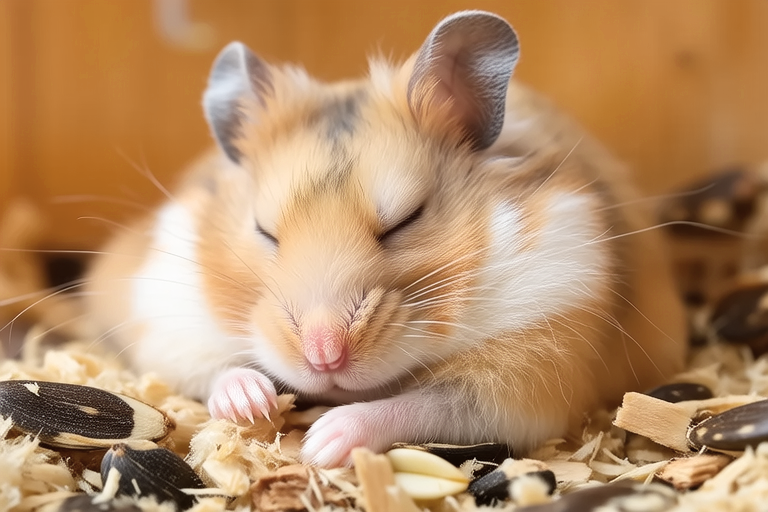
Golden Hamsters’ Unique Sleep Patterns
Golden hamsters, also known as Syrian hamsters, are popular pets due to their docile nature and relatively small size. However, what many owners may not realize is that these small creatures have unique sleep patterns that set them apart from other animals. Understanding these patterns is crucial for providing optimal care for your pet hamster.
Average Sleep Duration
Golden hamsters require approximately 12 to 14 hours of sleep each day. This is significantly more than most other mammals, which typically need around 8 hours of sleep per night. The extra sleep time is necessary for golden hamsters to maintain their energy levels and overall health. Their high metabolic rate and active lifestyle contribute to their increased need for rest.
Distribution of Sleep Throughout the Day
Unlike humans and many other animals, golden hamsters do not follow a strict circadian rhythm. Instead, they exhibit polyphasic sleep, meaning they take multiple short naps throughout the day and night. These naps usually last between 30 minutes and 2 hours, and they occur randomly, making it difficult to predict when a hamster will be awake or asleep at any given time.
This polyphasic sleep pattern allows golden hamsters to conserve energy during periods of inactivity and stay alert when they are awake. In the wild, this behavior helps them avoid predators by remaining vigilant while resting and being able to quickly respond to threats.
Peculiarities of Golden Hamsters’ Sleeping Habits
One of the most distinctive aspects of golden hamsters’ sleep is their tendency to sleep upside down. They often curl up into a ball with their paws tucked under their body and their head pointing towards the ground. This position provides them with a sense of security and warmth, mimicking the safety of their burrows in the wild.
Another interesting aspect of their sleep is the way they snuggle into bedding materials. Golden hamsters prefer soft, cozy environments for their sleep, and they may spend considerable time arranging their bedding to create the perfect nest. Providing adequate nesting materials, such as shredded paper or commercial bedding, is essential for their comfort and well-being.
Why Understanding These Patterns is Important for Their Care
Understanding golden hamsters’ unique sleep patterns is crucial for their care because it helps owners provide a suitable environment for their pets. By recognizing the signs of sleepiness and restlessness, you can ensure that your hamster has enough space and resources to meet its needs.
Creating a Comfortable Environment
To create an ideal sleeping environment for your golden hamster, consider the following tips:
- Provide a Quiet Space: Since golden hamsters are sensitive to noise, placing their cage in a quiet area of your home can help them feel secure and reduce stress.
- Use Appropriate Bedding: As mentioned earlier, golden hamsters prefer soft, comfortable bedding. Avoid using cedar or pine shavings, as these can irritate their respiratory system. Opt for safe alternatives like aspen wood shavings or recycled paper bedding.
- Ensure Adequate Space: A spacious cage allows your hamster to move around freely and find a comfortable spot for sleeping. Consider adding tunnels, hammocks, or other accessories to enhance their living space.
Monitoring Your Hamster’s Health
Understanding your hamster’s sleep patterns also enables you to monitor its health effectively. Changes in sleeping habits could indicate underlying issues. For example, if your hamster suddenly becomes more active or restless during what would normally be its sleeping period, it might be experiencing discomfort or illness. Conversely, excessive sleepiness could suggest lethargy, which may be a sign of poor health.
If you notice any unusual behaviors related to your hamster’s sleep, consult a veterinarian specializing in exotic pets for proper diagnosis and treatment. Early intervention can prevent minor issues from escalating into serious health problems.
Respecting Their Rest Time
Since golden hamsters do not follow a consistent schedule, respecting their rest periods is vital. Avoid handling or disturbing your hamster during its sleep, especially during times when it is most likely to be resting. This respect for their natural rhythms promotes a healthier and happier pet.
Scientific Insights
The study of golden hamsters’ sleep patterns offers valuable insights into the evolution of mammalian sleep. Researchers have found that golden hamsters exhibit rapid eye movement (REM) sleep, similar to humans and other mammals. During REM sleep, brain activity increases, and dreams may occur. However, the exact purpose of REM sleep in golden hamsters remains unclear.
Recent research has also explored the relationship between sleep and memory consolidation in golden hamsters. Studies have shown that sleep plays a crucial role in strengthening memories formed during waking hours. This finding highlights the importance of ensuring your hamster gets sufficient rest to support cognitive functions.
In addition to these findings, scientists continue to investigate how environmental factors influence golden hamsters’ sleep patterns. Factors such as light exposure, temperature, and social interactions can all impact their ability to get quality sleep. By understanding these relationships, researchers hope to develop better strategies for promoting healthy sleep in both wild and domesticated golden hamsters.
Practical Tips for Owners Based on This Information
Armed with knowledge about golden hamsters’ unique sleep patterns, here are some practical tips for owners:
- Establish a Routine: While golden hamsters do not follow a strict schedule, establishing a routine can help regulate their activity levels. Feed your hamster at regular intervals and engage in playtime during specific times of the day.
- Limit Distractions: Reduce noise and activity around your hamster’s cage during its typical resting periods. This minimizes disruptions and allows your hamster to sleep undisturbed.
- Monitor for Signs of Stress: Pay attention to changes in your hamster’s behavior, including its sleep patterns. Increased stress or anxiety can lead to disrupted sleep, so address potential sources of stress promptly.
- Provide Mental Stimulation: Engage your hamster in activities that promote mental stimulation, such as puzzle feeders or interactive toys. A mentally stimulated hamster is more likely to experience restful sleep.
In conclusion, golden hamsters’ unique sleep patterns make them fascinating subjects of study and highlight the importance of understanding their needs as pets. By providing a comfortable environment, monitoring their health, and respecting their rest periods, you can ensure that your golden hamster enjoys a happy and healthy life. With continued research, we may uncover even more about the mysteries of golden hamsters’ sleep and how it impacts their overall well-being.
