Arowana Ownership: Myths vs. Realities in Fishkeeping
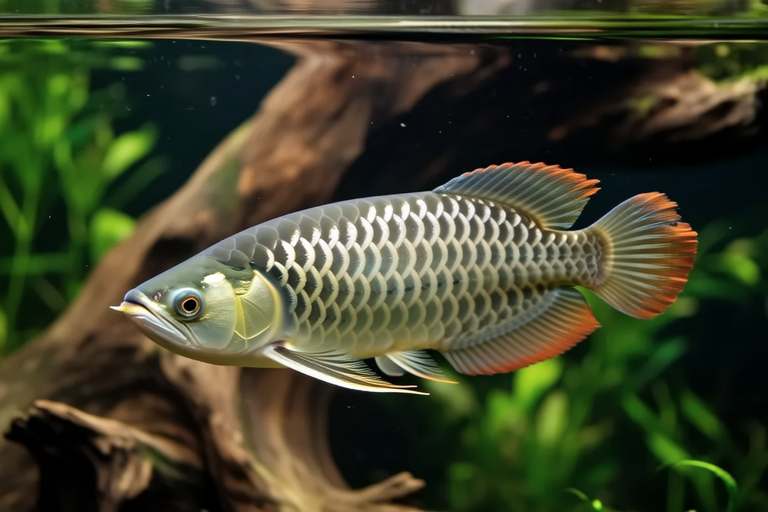
The world of fishkeeping is vast and diverse, offering enthusiasts countless species to explore. Among the most captivating and exotic choices are arowanas, known for their striking appearance and unique behaviors. These ancient fish, often called “dragonfish,” have long been a favorite among hobbyists and collectors alike. Arowanas belong to the family Osteoglossidae and are native to freshwater habitats across Asia and South America. Their shimmering scales, elongated bodies, and upward-facing mouths make them a true spectacle in any aquarium.
Myths Surrounding Arowana Care
Despite their popularity, many misconceptions surround the care and ownership of arowanas. One of the most common myths is that they require enormous tanks. Another myth is that they have very specific dietary needs, and there’s a widespread belief that they can coexist peacefully with other fish species. Let’s debunk these myths and explore the realities behind arowana ownership.
Space Requirements: The Myth of Enormous Tanks
One of the most prevalent myths about arowanas is that they need excessively large tanks. While it is true that arowanas can grow quite large, especially the Asian varieties like the Silver Arowana (Osteoglossum bicirrhosum), this does not necessarily mean that every tank must be the size of a small swimming pool. The reality is that arowanas thrive in spacious environments but can adapt to appropriately sized tanks if given the right conditions.
Diet Specifics: Beyond Live Prey
Another myth surrounding arowanas is that they exclusively eat live prey. While it is true that arowanas are predatory fish, they can be trained to accept a variety of food types. In the wild, they consume insects, smaller fish, crustaceans, and even birds that come close to the water’s surface. In captivity, they can be fed a balanced diet of pellets, frozen foods, and occasional treats like feeder fish or shrimp. Proper nutrition is crucial for maintaining their health and longevity.
Compatibility with Other Species: Peaceful Coexistence?
Perhaps one of the most persistent myths is the idea that arowanas can coexist peacefully with other fish species. The truth is that arowanas are territorial and aggressive towards other fish, especially those of similar size. They may also engage in fin-nipping behavior, which can lead to injuries and stress among tank mates. It is best to keep arowanas in single-species tanks or with much smaller, peaceful fish that can avoid confrontation.
Realities of Arowana Care
Now that we’ve addressed some of the common myths, let’s delve into the realities of owning arowanas. Understanding the proper tank setup, feeding habits, healthcare, and behavioral insights is essential for providing your arowana with a healthy and happy life.
Tank Setup: Creating the Right Environment
Arowanas require a well-planned tank environment to thrive. While they do need ample space, the quality of the water and the tank’s layout are equally important. A minimum tank size of 75 gallons is recommended for juvenile arowanas, with larger tanks necessary as they grow. The tank should be equipped with a powerful filtration system capable of handling the bio-load of a large fish. Adequate water flow is vital to simulate their natural riverine habitats.
Substrate choice is another critical factor. Fine gravel or sand is preferable to prevent injury from sharp edges. Decorations should include hiding spots and open areas for swimming. Floating plants are highly recommended as they mimic the arowana’s natural environment and provide shade. Regular water changes and maintenance are necessary to ensure optimal water quality.
Feeding Habits: A Balanced Diet
Contrary to the myth of a strict live-prey diet, arowanas can be trained to accept a varied diet. High-quality pellets designed for large carnivorous fish are a staple in their diet. These pellets provide essential nutrients and vitamins necessary for growth and health. Supplementing with frozen foods like bloodworms, brine shrimp, and krill ensures a balanced diet. Occasional treats of live or frozen feeder fish can also be offered but should not form the majority of their diet.
It’s important to feed arowanas in moderation, as overfeeding can lead to health issues. Feeding once or twice daily, depending on the fish’s size and activity level, is usually sufficient. Always remove any uneaten food promptly to maintain water quality.
Healthcare: Preventative Measures and Treatments
Proper healthcare is crucial for the well-being of your arowana. Regular monitoring of water parameters, including temperature, pH, and ammonia levels, is essential. Maintaining stable water conditions helps prevent stress-related illnesses. Quarantine new fish before introducing them to the main tank to avoid the spread of diseases.
If signs of illness appear, prompt action is necessary. Common health issues include bacterial infections, parasites, and fin rot. Consult a veterinarian specializing in aquatic animals for diagnosis and treatment. Quarantine affected fish and treat the tank with appropriate medications under professional guidance.
Behavioral Insights: Understanding Your Arowana
Arowanas are intelligent and active fish, often displaying curious and playful behaviors. They are known for their ability to leap out of the water, which they do to catch flying insects. This behavior, while fascinating, requires careful tank design to prevent injuries. Providing a secure lid or netting is advisable.
Understanding their social dynamics is also key. Arowanas are solitary creatures by nature, and they tend to establish territories within their tanks. Aggressive displays, such as chasing or fin-nipping, are common when they feel threatened or during feeding times. Observing these behaviors can help you adjust the tank environment to minimize stress.
Advice for Prospective Owners
Owning an arowana is a significant commitment that requires careful consideration. Before bringing one home, ensure that you have the necessary resources, knowledge, and commitment to provide the best care possible. Here are some final tips for prospective owners:
- Research thoroughly: Learn everything you can about arowana care, including tank setup, feeding, and healthcare. Join online forums and local clubs to connect with experienced hobbyists.
- Plan for the long term: Arowanas can live up to 20 years or more. Make sure you’re prepared for this long-term commitment.
- Invest in quality equipment: High-quality filters, heaters, and lighting systems are essential for maintaining optimal water conditions.
- Be patient: Training arowanas to accept different foods and adjusting to new environments takes time and patience.
Owning an arowana is not just about having an exotic pet; it’s about understanding and respecting their unique needs and behaviors. By dispelling common myths and focusing on the realities of arowana care, you can provide your fish with a healthy and enriching environment. With the right knowledge and dedication, arowanas can become a rewarding addition to any fishkeeper’s collection.
In conclusion, while arowanas are indeed majestic and captivating fish, they come with unique challenges and responsibilities. By understanding the realities of their care, you can enjoy the beauty and wonder of these ancient creatures without falling victim to common misconceptions. Happy fishkeeping!
