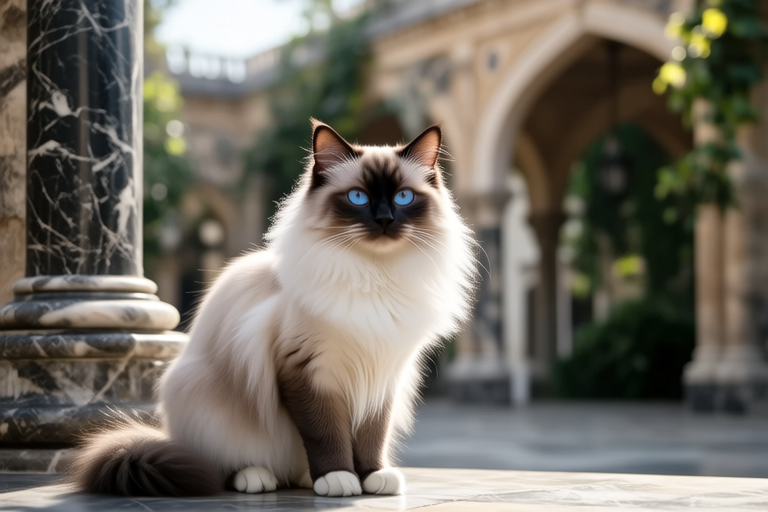
Turkish Angora: The Graceful Cat of Ancient Royalty
The Turkish Angora, a breed of cat renowned for its elegance and grace, has a rich history that dates back to ancient times. Originating from the Ankara region of central Anatolia in modern-day Turkey, this feline has been a symbol of royalty and luxury for centuries. This article delves into the breed’s origins, its significance in history, physical attributes, temperament, and myths surrounding it. Additionally, it provides guidance for those interested in adopting a Turkish Angora.
Historical Background and Royal Significance
The Turkish Angora’s roots can be traced back to the ancient city of Ankara (formerly known as Angora), where they were revered for their beauty and agility. These cats were often depicted in artwork and literature, showcasing their importance in the lives of the people who lived in the region. The breed was particularly cherished by the Ottoman Empire, which ruled over much of the Middle East and parts of Europe from the 14th century until the early 20th century.
During this period, Turkish Angoras were considered symbols of wealth and status. They were frequently given as gifts to foreign dignitaries, further enhancing their reputation as exquisite creatures. In fact, Queen Elizabeth I of England received one such cat from Sultan Murad III as a diplomatic gesture, marking the first recorded instance of Turkish Angoras being introduced to Western Europe. This exchange not only solidified the breed’s international recognition but also contributed to its growing popularity among European nobility.
The Turkish Angora’s association with royalty extended beyond mere symbolism; these cats were also believed to possess mystical powers. According to folklore, owning a Turkish Angora would bring good fortune and protect against evil spirits. Such beliefs added another layer of mystique to an already enchanting breed.
Physical Characteristics
One glance at a Turkish Angora reveals why this breed has captivated hearts for generations. With its slender body, long legs, and large ears set high on its head, the Turkish Angora exudes elegance and poise. Its coat, typically white but sometimes featuring other colors like black or tabby patterns, is silky and fine-textured, making it both soft to touch and visually striking. The breed’s most distinctive feature, however, lies in its tail – long and bushy, it sways gracefully when the cat walks, adding to its overall charm.
Another notable aspect of the Turkish Angora’s appearance is its almond-shaped eyes, which come in various shades including blue, green, gold, or even heterochromia (two different colored eyes). These expressive orbs give the cat a wise and intelligent look, complementing its graceful demeanor perfectly.
Temperament
Beyond their striking looks, Turkish Angoras are known for their playful yet affectionate personalities. Highly intelligent and curious by nature, these cats enjoy interacting with their human companions through games and activities. They thrive in environments where they can explore freely while still receiving plenty of attention.
Despite their independent streaks, Turkish Angoras form strong bonds with their owners, often seeking out close proximity whenever possible. Many owners describe them as loyal friends who provide companionship without overwhelming affection. Their balanced temperament makes them ideal pets for families looking for a cat that will integrate well into daily life.
Myths and Legends
Throughout history, numerous myths and legends have surrounded the Turkish Angora, adding to its mystique. One popular tale tells of a Turkish Angora named Muezza, a favorite companion of Prophet Muhammad. It is said that when the Prophet was called to prayer, he found his sleeping cat on top of his robe. Rather than disturb him, the Prophet cut off part of his garment so that Muezza could remain undisturbed. This story highlights the special relationship between humans and Turkish Angoras, portraying them as beloved and respected animals.
Another legend involves a Turkish Angora saving its owner from harm. According to the story, a young girl was walking home late one night when she encountered a dangerous situation. Her Turkish Angora sprang into action, scaring away the threat and protecting her owner. Such tales reinforce the belief that Turkish Angoras are more than just beautiful pets; they are guardians capable of extraordinary feats.
Tips for Potential Owners
If you’re considering adopting a Turkish Angora, there are several factors to keep in mind. First and foremost, ensure that your living space provides ample room for exploration and play. Given their active nature, Turkish Angoras require stimulating environments filled with toys and climbing structures. Regular exercise helps maintain their physical health while keeping boredom at bay.
Secondly, be prepared for some grooming. While their coats don’t require excessive maintenance, regular brushing is necessary to prevent matting and keep their fur smooth and shiny. Additionally, because Turkish Angoras are prone to certain genetic conditions like hypertrophic cardiomyopathy (HCM), routine veterinary check-ups are essential to monitor their overall wellbeing.
Lastly, remember that Turkish Angoras are social creatures who benefit greatly from human interaction. Spend quality time with your new pet through play sessions, cuddling, and general companionship. Building a strong bond early on ensures a lifetime of mutual love and respect.
In conclusion, the Turkish Angora stands as a testament to the enduring appeal of cats with a storied past. From its origins in ancient Turkey to its current status as a beloved pet around the world, this breed continues to capture hearts with its grace, intelligence, and loyalty. Whether you’re drawn to its regal appearance or intrigued by its fascinating history, adopting a Turkish Angora promises an enriching experience filled with joy and companionship.
