Betta Behavior Basics: Understanding Tail Flares, Dips, and More
Understanding the behavior of your betta fish is crucial for providing them with the best possible care. Bettas are fascinating creatures with a wide range of behaviors that can tell you a lot about their mood, health, and needs. This guide will delve into the basics of betta behavior, focusing on tail flares, dips, and other notable actions, helping you become a more informed and attentive owner.
The Importance of Understanding Betta Behavior
Betta fish, also known as Siamese fighting fish, are native to Thailand and Myanmar. They are known for their vibrant colors and long, flowing fins. Bettas are solitary by nature, which means they prefer living alone rather than in groups. However, understanding their behavior can help you identify when something might be wrong or when your betta is feeling threatened or stressed. This knowledge is essential for maintaining a healthy and happy environment for your pet.
Tail Flaring: The Art of Display
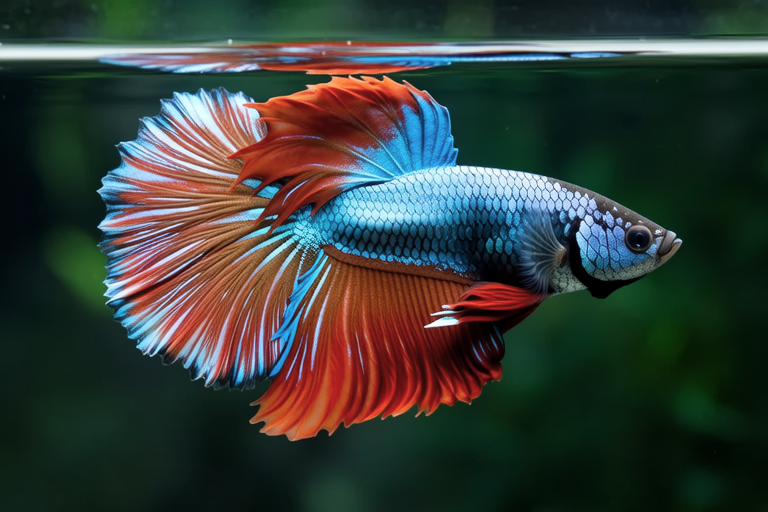
One of the most striking behaviors exhibited by bettas is tail flaring. This involves the fish spreading out its gill covers and fins, creating a spectacular display. Tail flaring is often associated with males, who use this behavior to attract mates or intimidate rivals. However, female bettas can also flare their tails, especially when they feel threatened.
Triggers: Tail flaring can be triggered by various factors, including the presence of another betta, a mirror reflection, or even the shadow of a hand passing over the tank. Bettas are territorial, so any perceived threat to their space can cause them to flare their tails.
Significance: Tail flaring is a visual signal that bettas use to communicate their status or intentions. When a male betta flares its tail, it’s often trying to establish dominance or show off to potential mates. For females, tail flaring may indicate fear or discomfort.
Owner Response: If your betta is frequently flaring its tail, it might be due to stress or discomfort. Ensure the tank has adequate hiding spots and that the water conditions are optimal. Avoid placing multiple bettas in the same tank, as this can lead to aggressive behavior. If the flaring is excessive and accompanied by other signs of distress, consult a veterinarian specializing in fish care.
Dips: A Closer Look at This Behavior
Betta fish sometimes dip their bodies in the water, a behavior often mistaken for swimming clumsily. In reality, this action can serve several purposes.
What It Looks Like: During a dip, the fish will lower its body into the water, sometimes appearing to sink slowly before resurfacing. This behavior is distinct from normal swimming patterns and can occur repeatedly within short intervals.
Reasons Behind the Behavior: Bettas may dip for various reasons, including temperature regulation, cleaning themselves, or simply stretching their muscles. Sometimes, dipping can be a sign of discomfort, especially if the water parameters are not ideal. Poor water quality, incorrect pH levels, or temperature fluctuations can all contribute to this behavior.
Potential Actions Needed: To address dipping behavior, start by checking the water parameters. Ensure the temperature is between 78°F and 80°F (25°C to 27°C), and maintain a pH level between 6.5 and 7.5. Perform regular water changes to keep the tank clean and free of harmful substances. If the behavior persists despite optimal conditions, consider consulting a professional for further advice.
Other Notable Behaviors
Jumping
Bettas are known for their ability to jump, which can be both endearing and concerning for owners. Jumping is a natural behavior for bettas, but it can also indicate stress or discomfort.
Why Do They Jump? Bettas may jump for several reasons, including escaping predators, exploring their environment, or seeking attention. In some cases, jumping can be a sign of boredom or frustration, especially if the tank is too small or lacks stimulating elements.
Preventing Jumping: To minimize jumping, ensure the tank has a secure lid to prevent escapes. Provide plenty of plants and decorations to create a stimulating environment. Additionally, consider adding a bubble wand or air stone to provide gentle water movement, which can make the tank more interesting for your betta.
Aggression Towards Reflections
Bettas are naturally territorial, and they can become aggressive when they see their own reflection. This behavior is often mistaken for aggression towards another fish, leading to unnecessary stress.
Causes: Bettas have a strong instinct to defend their territory, and seeing their reflection can trigger this response. They may flare their tails, swim erratically, or even attempt to attack the glass.
Addressing the Issue: To prevent this behavior, avoid using tanks with mirrors or reflective surfaces. If you notice your betta becoming aggressive towards its reflection, try rearranging the tank decor to break up the reflection. This can help reduce the frequency of this unwanted behavior.
Sleeping Positions
Bettas do not have eyelids, so they do not close their eyes while sleeping. Instead, they rest near the bottom of the tank or float near the surface, depending on their comfort level.
Normal Sleep Patterns: Bettas are generally active during the day and rest at night. You might observe your betta resting motionless at the bottom of the tank or floating near the top. Both positions are considered normal, provided the fish is breathing regularly and showing no signs of distress.
Abnormal Signs: If your betta is constantly floating near the top or lying on its side, it could be a sign of illness or poor water quality. Monitor your betta closely and adjust the tank conditions as necessary.
Maintaining a Healthy Environment
To ensure your betta leads a healthy and stress-free life, it’s essential to maintain a well-balanced environment. Proper tank setup and regular maintenance are key to promoting natural behaviors and minimizing stress.
Water Quality: Regularly test the water for pH, ammonia, nitrite, and nitrate levels. Perform weekly water changes to keep the tank clean and the water fresh. Use a high-quality filter to maintain good water circulation and remove waste products.
Temperature Control: Bettas thrive in warm water, so use a reliable heater to maintain the temperature between 78°F and 80°F (25°C to 27°C). Avoid sudden temperature changes, as these can stress your betta.
Decorations and Hiding Spots: Provide plenty of plants, caves, and decorations to create a stimulating environment. These elements not only make the tank more visually appealing but also offer hiding spots that can help reduce stress.
Feeding: Feed your betta a balanced diet consisting of high-quality pellets, flakes, and occasional live or frozen foods. Avoid overfeeding, as excess food can degrade water quality and lead to health issues.
By understanding and responding to your betta’s behavior, you can ensure they live a long and healthy life. With proper care and attention, your betta will thrive in its environment, displaying its natural beauty and charm.
