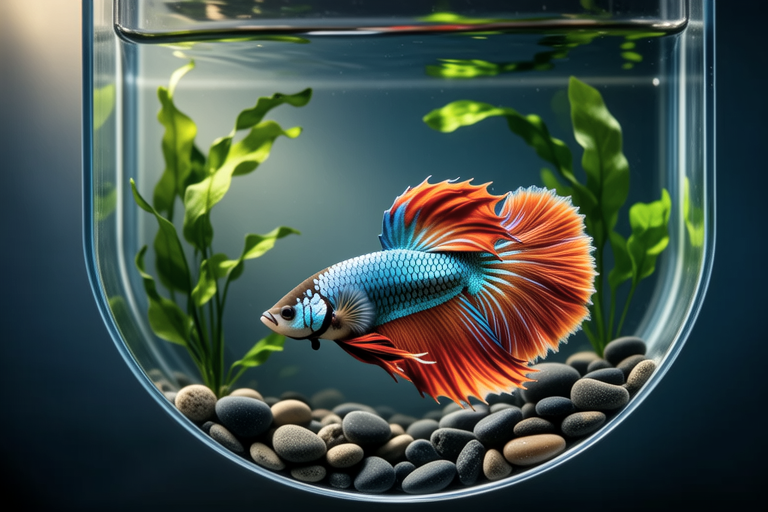
The Ultimate Guide to Creating a Dream Tank for Your Betta Fish
Introduction
Welcome to the world of betta fish care! These colorful, vibrant creatures have captivated aquarium enthusiasts for years. However, providing them with the best living conditions is crucial for their health, happiness, and longevity. This comprehensive guide will walk you through everything you need to know about creating the perfect tank environment for your betta fish.
Choosing the Right Tank Size
The first step in creating an ideal home for your betta is selecting the appropriate tank size. Many people believe that bettas can thrive in small containers, but this is a misconception. Betta fish require ample space to swim and explore comfortably. A minimum tank size of 5 gallons is recommended, though larger tanks (10-20 gallons) offer more room for swimming and better water quality management.
Filtration Systems
Proper filtration is vital for maintaining clean, healthy water conditions. Filters help remove harmful waste products, excess food particles, and other debris from the tank. Choose a filter that suits your tank’s size and provides gentle yet effective water circulation. Avoid filters with strong currents, as they can stress your betta. Consider sponge filters, which provide mechanical filtration without disturbing the water flow too much.
Water Quality Maintenance
Regular water changes are essential to keep the tank environment clean and healthy. Aim for partial water changes (about 25%) every week. Use a high-quality water conditioner to remove chlorine and chloramines from tap water before adding it to the tank. Test kits can help monitor ammonia, nitrite, and nitrate levels, ensuring they remain within safe limits.
Temperature Control
Betta fish prefer water temperatures between 76°F and 82°F (24°C to 28°C). Invest in a reliable heater to maintain consistent warmth throughout the year. Place the heater near the intake of the filter to prevent hotspots and ensure even distribution of heat. Regularly check the temperature with a thermometer to avoid fluctuations that could stress your fish.
Appropriate Decorations and Hiding Spots
Decorations not only enhance the aesthetic appeal of your tank but also provide important hiding spots for your betta. Opt for natural-looking items such as driftwood, caves, and live or artificial plants. Ensure all decorations are smooth and free from sharp edges to prevent injury. Floating plants like java moss or water sprite create a sense of security while offering additional oxygenation benefits.
Lighting Considerations
While betta fish don’t necessarily require intense lighting, providing a gentle light source can improve their overall well-being. Natural sunlight or fluorescent bulbs work well; avoid excessively bright lights that might cause stress. Remember to give your betta periods of darkness each day by turning off the lights for at least 8 hours overnight.
Suitable Tank Mates or Companionship Options
Betta splendens are generally solitary fish, so it’s best to keep them alone unless you’re experienced in housing compatible species together. If you want companionship for your betta, consider peaceful bottom-dwelling fish like corydoras catfish or snails that won’t compete for territory or food. Always research thoroughly before introducing any new inhabitants.
Selecting Safe Plants, Toys, and Accessories
Safe plant choices include java fern, anubias, and microsorum pteropus (Java Moss). These plants are hardy, easy to care for, and provide excellent hiding spots and breeding areas. Avoid fast-growing plants like hygrophila polysperma, as they may outcompete slower-growing varieties.
Toys and accessories can add fun and enrichment to your betta’s environment. Floating logs, tunnels, and interactive feeders encourage exploration and mental stimulation. Ensure these items are non-toxic and easily cleaned to maintain hygiene.
Setting Up the Tank Properly
Before adding your betta to its new home, make sure everything is set up correctly. Start by cycling the tank to establish beneficial bacteria necessary for breaking down waste products. Add dechlorinated water, install the heater and filter, and arrange decorations. Once the tank has been running for at least 24 hours, gently introduce your betta using a net or container to acclimate it to the new environment gradually.
Common Mistakes to Avoid
- Underestimating Space Needs: Providing insufficient space leads to cramped conditions and increased stress.
- Ignoring Water Parameters: Failing to monitor pH, hardness, and temperature can lead to health issues.
- Overstocking the Tank: Adding too many fish or decorations can overcrowd the habitat, reducing available oxygen.
- Improper Feeding: Overfeeding causes waste buildup and poor water quality.
Conclusion
By following this ultimate guide, you’ll be well on your way to creating a dream tank that keeps your betta fish healthy, happy, and vibrant. Remember that patience and attention to detail are key when setting up and maintaining a thriving aquatic ecosystem. With proper care and consideration, your betta will reward you with years of enjoyment and companionship.
