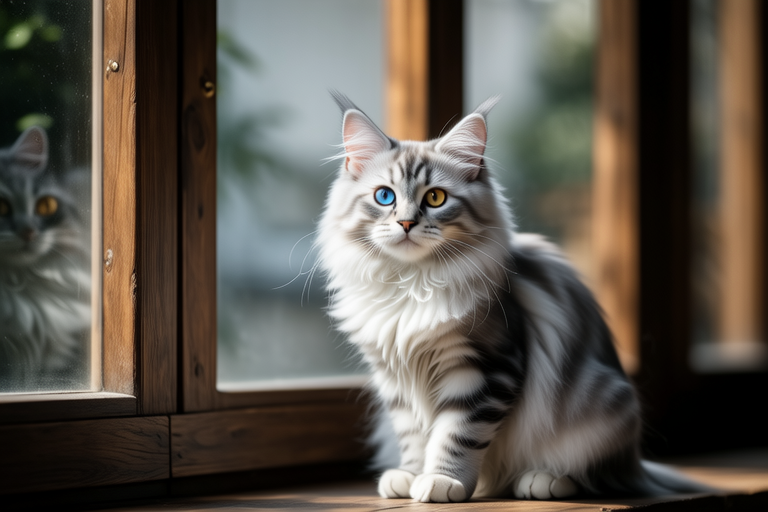
Living with Legends: Insights into Life with a Turkish Angora
Introduction:
Imagine sharing your home with a cat that has been revered for centuries, a breed that traces its origins back to the ancient palaces of Turkey. The Turkish Angora, with its striking appearance and captivating personality, is more than just a pet; it’s a companion that can enrich your life in countless ways. This article delves into the unique aspects of living with a Turkish Angora, offering insights into their daily life, personality traits, care requirements, and historical significance. Through personal anecdotes and expert advice, we’ll explore the joys and challenges of owning one of these legendary felines.
The Historical Significance of Turkish Angoras
The Turkish Angora, a breed that dates back thousands of years, has a storied history. Originating from Ankara, formerly known as Angora, this breed was once found exclusively in royal harems and palaces. They were celebrated for their elegance and grace, often being gifted as diplomatic presents between countries. In the early 20th century, they were introduced to North America and Europe, where they quickly gained popularity for their distinct appearance and gentle nature.
One of the most famous stories about Turkish Angoras involves the Ankara Zoo, where they were kept under strict supervision to preserve their pure lineage. These cats were considered national treasures, and their preservation efforts reflect the breed’s importance in Turkish culture.
Daily Life with a Turkish Angora
Living with a Turkish Angora is like having a constant companion who is both curious and affectionate. Their intelligence and playfulness make them excellent companions for people of all ages. They are highly active cats, always on the move, exploring every corner of their environment. This makes them ideal for households that can provide plenty of space for them to roam and play.
One of the joys of living with a Turkish Angora is their interactive nature. They love to engage with their owners, often following them around the house, curling up next to them on the couch, or even participating in simple games. Their playful demeanor can be both entertaining and endearing. One of my personal favorite memories involves my Turkish Angora, Luna, who would chase after a feather toy for hours, her eyes gleaming with excitement and her paws moving gracefully in the air.
Personality Traits
Turkish Angoras are known for their independent yet loving personalities. They are not clingy but rather prefer to spend time with their owners when they choose to do so. This independence can sometimes be mistaken for aloofness, but it is more a sign of their self-reliance. They are also very intelligent and can learn tricks, such as fetching toys or responding to commands.
Compared to other cat breeds, Turkish Angoras are more vocal. They communicate their needs and desires through a variety of sounds, from soft purrs to loud meows. While some may find this noise level overwhelming, I have come to appreciate it as a form of communication. It’s their way of saying, “I’m here, and I want to be part of what you’re doing.”
Care Requirements
Maintaining the health and well-being of a Turkish Angora requires attention to several key areas: grooming, diet, exercise, and veterinary care. Grooming is particularly important due to their long, silky coats. Regular brushing helps prevent matting and keeps their fur shiny and healthy. Unlike some long-haired breeds, Turkish Angoras shed less, which can be a relief for allergy sufferers.
When it comes to diet, it’s essential to provide high-quality food that meets their nutritional needs. Consultation with a veterinarian can help determine the best diet for your specific cat. Exercise is crucial to keep them physically and mentally stimulated. Interactive toys and climbing structures are great ways to encourage physical activity.
Veterinary care is vital for ensuring the longevity and health of your Turkish Angora. Regular check-ups, vaccinations, and prompt treatment of any health issues are necessary. One common issue among Turkish Angoras is hypertrophic cardiomyopathy (HCM), a heart condition that can affect cats of this breed. Early detection and management are critical, so regular heart screenings are recommended.
Challenges of Living with a Turkish Angora
While living with a Turkish Angora is undoubtedly rewarding, there are challenges that come with it. Their high energy levels mean they require a lot of attention and stimulation. If left alone for extended periods without proper outlets for their energy, they may become destructive. Providing them with plenty of toys, climbing structures, and interactive activities can help mitigate this issue.
Another challenge is their sensitivity to certain medications and anesthetic agents. Due to their unique physiology, it’s crucial to work closely with a veterinarian who understands the specific needs of Turkish Angoras. This includes careful monitoring during surgeries and the use of safe medications when treating illnesses.
Personal Anecdotes
I remember one particular day when my Turkish Angora, Luna, decided to make herself at home in a rather unexpected place. She had climbed onto the kitchen counter and was perched on top of a stack of dishes, her green eyes watching me intently. I could tell she was waiting for something, perhaps a treat or simply my undivided attention. After a few moments, she leaped off the counter and landed gracefully beside me, her tail flicking in anticipation. That moment encapsulates the charm and unpredictability of living with a Turkish Angora.
Another memorable experience involved Luna’s interaction with visitors. She would often greet guests at the door, her sleek coat glistening in the sunlight. Her curiosity would lead her to investigate new faces, sometimes even inviting them to join in her play. This openness and friendliness made her a delightful addition to social gatherings.
Expert Advice
Dr. Emily Thompson, a veterinarian specializing in feline medicine, offers valuable insights into caring for Turkish Angoras. She emphasizes the importance of early socialization and training. “Turkish Angoras are incredibly smart and can be trained to respond to commands,” she says. “Early exposure to different environments and people can help them become well-adjusted and confident companions.”
Dr. Thompson also advises on the importance of mental stimulation. “These cats thrive on intellectual engagement,” she explains. “Puzzle toys and interactive games can help keep their minds sharp and prevent boredom.”
Comparisons with Other Breeds
When compared to other popular cat breeds, Turkish Angoras stand out for their elegance and grace. For instance, while Persian cats are also known for their luxurious coats, they tend to be more sedentary. Turkish Angoras, on the other hand, are much more active and playful. Similarly, Siamese cats are known for their vocalizations, but Turkish Angoras often have a wider range of sounds and are more interactive in their communication.
Another notable difference is their adaptability. Turkish Angoras can adjust to various living conditions, from apartments to larger homes, as long as they have enough space to explore and play. This versatility makes them suitable for a wide range of households.
Conclusion
Living with a Turkish Angora is a unique and enriching experience. Their historical significance, combined with their charming personalities and distinctive traits, makes them truly special companions. While there are challenges, the joys of living with these majestic cats far outweigh any difficulties. Whether you’re a seasoned cat owner or considering adding a Turkish Angora to your family, understanding their needs and providing them with love and care will ensure a lifetime of happiness and companionship.
