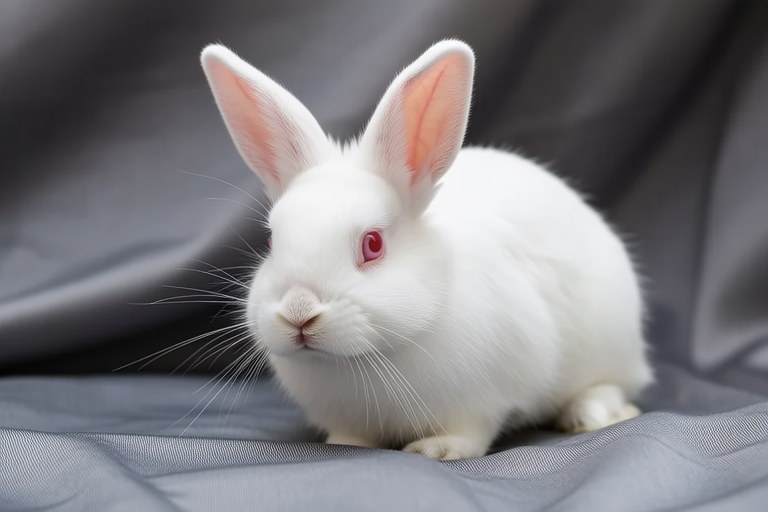
The Ultimate Dutch Dwarf Rabbit Handbook for New Pet Owners
Welcome to your comprehensive guide to owning a Dutch Dwarf Rabbit! This handbook will walk you through everything you need to know to provide the best care for your adorable new pet.
Breed Overview
The Dutch Dwarf Rabbit is a small but sturdy breed that has been popular since the 1960s. They typically weigh between 1.5 to 2.5 pounds and are known for their compact size and friendly nature. Their coats come in various colors, including black, white, blue, chocolate, and more. Dutch Dwarfs are intelligent and curious rabbits that enjoy human interaction. They are perfect for apartment living due to their small size and can be great companions for families with children.
Care Requirements
Proper care is essential for keeping your Dutch Dwarf healthy and happy. Here are some key aspects:
- Exercise: Provide plenty of space for them to run around and play. A safe, enclosed area like a playpen or a room with rabbit-proofed furniture is ideal.
- Toys: Offer toys that encourage chewing and digging, such as cardboard boxes, untreated wood, and hay balls.
- Handling: Gently pick up your rabbit by supporting its hindquarters and chest. Handle them regularly to build trust.
Diet Specifics
A balanced diet is crucial for your rabbit’s health. The primary components of their diet should be hay, fresh vegetables, and a limited amount of pellets.
- Hay: Timothy hay or orchard grass should be freely available at all times. It aids digestion and keeps teeth healthy.
- Vegetables: Offer a variety of leafy greens daily, such as romaine lettuce, spinach, and parsley. Avoid feeding iceberg lettuce as it lacks nutritional value.
- Pellets: Provide a small amount of high-quality pellets formulated for dwarf breeds. Limit pellets to avoid obesity.
- Fruits: Fruits can be given as occasional treats due to their sugar content.
Housing Recommendations
Your rabbit needs a secure, comfortable living environment. Consider these factors when setting up their home:
- Cage Size: A minimum cage size of 3 feet long, 2 feet wide, and 2 feet tall is recommended. Bigger is always better.
- Bedding: Use absorbent bedding materials like paper-based products or straw. Avoid cedar and pine shavings as they can irritate your rabbit’s respiratory system.
- Temperature: Maintain a temperature range between 60°F and 75°F (15°C to 24°C). Avoid extreme temperatures.
- Accessories: Include a litter box, food bowl, water bottle, and hiding spots for comfort and security.
Grooming Tips
Regular grooming helps keep your rabbit clean and reduces the risk of hairballs. Here’s how to maintain their coat:
- Brushing: Brush your rabbit weekly with a soft-bristled brush to remove loose fur. Pay extra attention during shedding seasons.
- Bathing: Bathe only when necessary. Wet your rabbit thoroughly, use a gentle shampoo, and rinse thoroughly. Dry them completely afterward.
- Nails: Trim nails every few weeks if they don’t wear down naturally. Consult a vet if unsure about nail trimming.
- Ears: Clean ears gently with a damp cloth if needed. Check for signs of infection or wax buildup.
Common Health Issues
Being aware of potential health problems allows you to catch issues early and seek appropriate treatment. Common concerns include:
- Tooth Problems: Overgrown teeth can cause pain and difficulty eating. Regular dental checkups are important.
- Diarrhea: Caused by improper diet or stress. Monitor your rabbit’s droppings and adjust their diet accordingly.
- Respiratory Infections: Signs include sneezing, nasal discharge, and labored breathing. Keep the environment clean and dry.
- Heat Stroke: Rabbits are sensitive to heat. Ensure they have access to shade and cool water during hot weather.
Socializing and Training
Rabbits are social animals and enjoy interacting with humans. Socializing and training can strengthen your bond and make handling easier.
- Positive Reinforcement: Reward good behavior with treats and praise. This encourages desirable actions.
- Playtime: Spend time playing with your rabbit daily. This helps them stay active and mentally stimulated.
- Handling: Gently handle your rabbit from an early age. This makes them more comfortable being picked up and held.
- Training: Teach basic commands like ‘come’ or ‘stay.’ Use treats and positive reinforcement to guide them.
Real-World Experiences
Here are some insights from experienced rabbit owners:
- “I found that regular playtime helps my rabbit stay calm and less destructive.” – Sarah, owner of two Dutch Dwarfs.
- “Feeding a variety of vegetables keeps my rabbit’s diet interesting and promotes better health.” – John, first-time rabbit owner.
- “Spending time with my rabbit every day has made our bond stronger and reduced unwanted behaviors.” – Emily, long-time rabbit enthusiast.
By following this guide, you’ll be well-equipped to provide the best care for your Dutch Dwarf Rabbit. Remember, each rabbit is unique, so observe their behavior closely and tailor their care accordingly. Enjoy the rewarding experience of caring for one of these delightful creatures!
