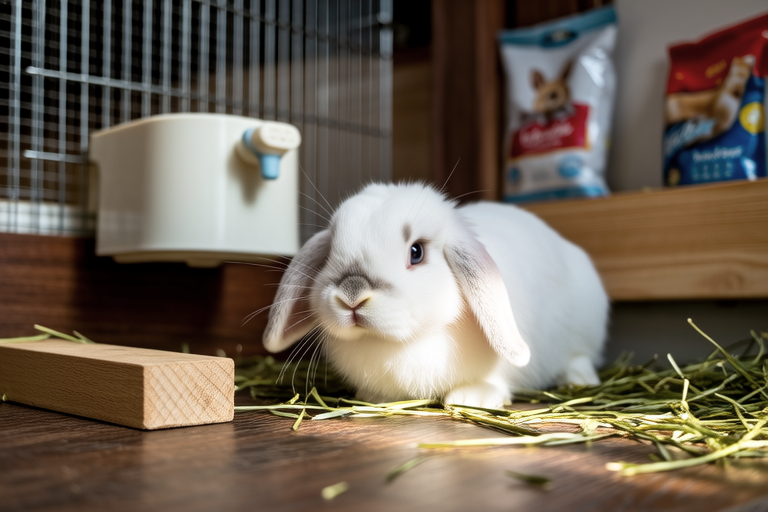
Creating the Perfect Home for Your Happy, Healthy Lop Bunny
Welcome to the wonderful world of lop bunnies! These charming, floppy-eared companions are known for their gentle nature and playful personalities. Ensuring your lop bunny has a comfortable, stimulating environment is key to its happiness and health. This guide will walk you through setting up the ideal home for your furry friend, covering everything from spacious living quarters to balanced diets and proper hygiene.
Spacious Living Quarters
Your lop bunny needs ample space to move around and stretch its legs. A large cage or enclosure is essential, with dimensions that allow for at least three times the length of your bunny when it’s stretched out. For example, if your bunny measures 24 inches from nose to tail, the enclosure should be at least 72 inches long. A wire-bottom cage can cause discomfort or injury, so opt for solid flooring or provide a raised wooden shelf for comfort.
Suitable Bedding Materials
Selecting the right bedding is crucial for your bunny’s comfort and hygiene. Avoid cedar and pine shavings, as they can irritate your bunny’s respiratory system. Opt instead for soft, absorbent materials like shredded paper, recycled paper pellets, or high-quality hay. Change the bedding regularly to prevent odors and bacteria buildup.
Toys and Accessories for Mental Stimulation
Provide a variety of toys to keep your lop bunny mentally stimulated and physically active. Chew toys made from safe, durable materials help maintain dental health. Cardboard boxes, tunnels, and balls offer opportunities for exploration and play. Rotate toys periodically to keep things interesting. Additionally, consider adding a small ramp or steps to encourage climbing and jumping.
Balanced Diet Recommendations
A balanced diet is vital for your lop bunny’s overall health. The majority of their diet should consist of grass hay, such as timothy or orchard grass. Fresh vegetables, including leafy greens like kale and spinach, should make up about 10% of their daily intake. Limit fruits and treats to special occasions, as they are high in sugar. Always provide clean, fresh water in a spill-proof bowl.
Tips for Maintaining Hygiene
Maintaining a clean living environment is essential for your bunny’s health. Regularly clean the enclosure, removing waste and soiled bedding. Use mild, pet-safe disinfectants to sanitize surfaces. Pay attention to areas where your bunny spends most of its time, ensuring these spaces are always clean and dry. This will help prevent infections and promote good hygiene.
Safe Arrangement of Hiding Spots and Resting Areas
Hiding spots and resting areas are important for your lop bunny’s psychological well-being. Provide cozy, enclosed spaces where your bunny can retreat and feel secure. Consider using cardboard boxes, tunnels, or commercial hideaways. Ensure these areas are easy to clean and maintain. Place them in quiet corners of the enclosure to minimize disturbances.
Proper Temperature Control and Ventilation
Lop bunnies thrive in moderate temperatures between 60 and 70 degrees Fahrenheit. Avoid placing the enclosure near drafts, direct sunlight, or heat sources. Good ventilation is also crucial; ensure there are sufficient air vents or windows to prevent stuffiness. If necessary, use a fan or air conditioner to regulate temperature during hot weather.
Ensuring Adequate Exercise and Playtime
Regular exercise is vital for your lop bunny’s physical and mental health. Allow supervised playtime outside the enclosure daily. Use a bunny-proofed room or a large, safe area where your bunny can explore and run around. Provide tunnels, ramps, and other structures to encourage movement. Exercise helps prevent obesity and keeps your bunny mentally sharp.
Selecting Appropriate Litter Training Methods
Training your lop bunny to use a litter box can be highly beneficial. Start by placing the litter box in a corner of the enclosure where your bunny naturally eliminates. Use unscented, clumping litter or paper-based products. Praise your bunny when it uses the litter box correctly. Consistency and positive reinforcement are key to successful training.
Grooming Practices
Grooming is an essential part of keeping your lop bunny healthy and happy. Brush your bunny’s coat weekly to remove loose fur and prevent matting. Check its ears for dirt or debris and gently clean them with a damp cloth if needed. Trim nails every few weeks, ensuring you don’t cut the quick. Regular grooming sessions also provide bonding opportunities and help you monitor your bunny’s overall health.
Final Thoughts
Creating the perfect home for your lop bunny involves thoughtful planning and care. By providing spacious living quarters, suitable bedding, stimulating toys, a balanced diet, and maintaining hygiene, you’re setting your bunny up for a happy, healthy life. Remember to prioritize regular exercise, proper temperature control, and adequate ventilation. With these guidelines, you’ll ensure your lop bunny enjoys a loving and enriching environment.
