Top 5 Reasons Why Tarantulas Make Unique and Fascinating Pets
Welcome to the world of tarantulas, the ultimate exotic pet that combines intrigue with responsibility. These fascinating creatures have captivated the hearts of many animal enthusiasts, offering a unique perspective on what it means to be a pet owner. This article will delve into the top five reasons why tarantulas make exceptional pets, providing you with insights into their care, behavior, and the myths surrounding them.
1. Unmatched Diversity in Appearance and Species
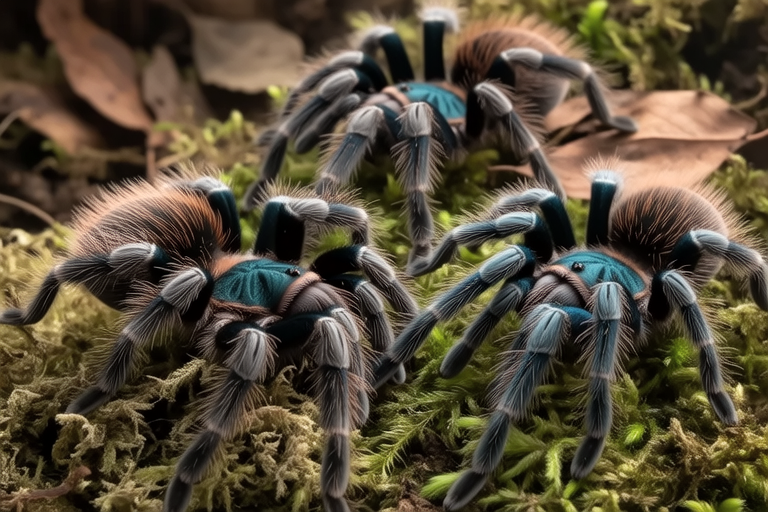
Tarantulas belong to the family Theraphosidae, encompassing over 900 distinct species. Their diversity is unmatched, with each species displaying its own set of physical characteristics. From the vibrant blue coloration of the Cobalt Blue tarantula to the robust size of the Goliath Birdeater, tarantulas come in various sizes, colors, and patterns.
Their appearance is not just visually striking but also scientifically interesting. Many tarantulas possess urticating hairs, which they can release as a defense mechanism against predators. These tiny hairs can cause irritation to skin and eyes, emphasizing the importance of handling them with care.
Personal anecdotes from experienced keepers often highlight the joy of discovering new species. For instance, one keeper recalls finding a rare pink tarantula in a local pet store, sparking a lifelong passion for these arachnids. Each species offers a unique challenge and reward, making tarantula ownership a thrilling journey for enthusiasts.
2. Low Maintenance and Space Efficient
One of the most appealing aspects of tarantulas as pets is their low maintenance requirements. Unlike dogs or cats, tarantulas do not require daily walks, grooming, or constant attention. They are solitary creatures that thrive in quiet environments, making them ideal for busy individuals or those living in small spaces.
Proper housing is essential for a tarantula’s well-being. A terrarium with appropriate substrate, temperature, and humidity levels ensures a healthy environment. The recommended enclosure size varies by species, typically ranging from 3-5 gallons for smaller species to larger enclosures for more extensive tarantulas. Temperature and humidity control are crucial, with most species requiring a range of 75-85°F (24-29°C) and 60-80% humidity.
Feeding tarantulas is straightforward; they primarily consume live insects such as crickets, roaches, and mealworms. Feeding frequency depends on the species and age, with younger tarantulas needing food more frequently than adults.
Myth: Tarantulas are aggressive and dangerous. Fact: While tarantulas can bite, they rarely do so unless provoked. Most species prefer to retreat rather than engage in confrontation. Handling should be done with care, ensuring the tarantula feels secure and comfortable.
3. Fascinating Behavior and Interaction
Tarantulas exhibit a wide array of behaviors that make them fascinating to observe. One of the most intriguing behaviors is molting, during which the tarantula sheds its exoskeleton to grow. This process can take several hours, and during this time, the tarantula is vulnerable. It’s important to avoid disturbing a molting tarantula.
Another fascinating aspect is their hunting behavior. Tarantulas are ambush predators, often lying in wait for prey to approach before striking. Observing this behavior in captivity can be both thrilling and educational. Some species, like the Pinktoe tarantula, are known for their agility and speed, while others, like the Chilean Rose, are slower and more methodical.
Interacting with your tarantula can be rewarding. Many owners report a sense of connection with their pets, noting subtle changes in behavior that indicate mood or health. One keeper shares how her tarantula would wave its legs in response to being talked to, a gesture she interpreted as a form of communication.
Handling tarantulas should always be done with care. Use a long-handled tool to gently guide the tarantula into a container, avoiding direct contact with your hands. Always wash your hands after handling to prevent the spread of any potential pathogens.
4. Educational Value and Scientific Interest
Owning a tarantula provides an excellent opportunity for learning about biology, ecology, and conservation. Many species face threats in the wild due to habitat destruction and illegal trade. By keeping tarantulas as pets, enthusiasts contribute to the preservation of these species.
Scientifically, tarantulas offer valuable insights into arachnid biology. Their venom has been studied for its potential medical applications, including pain management and anti-inflammatory properties. Understanding the role of tarantulas in ecosystems can inspire a greater appreciation for biodiversity.
For children, tarantulas can serve as educational tools, teaching responsibility, respect for nature, and the importance of conservation. One parent recounts how her child’s fascination with tarantulas sparked an interest in science, leading to a career in environmental studies.
Responsible ownership involves understanding the ecological impact of your choices. Avoid purchasing wild-caught tarantulas and opt for captive-bred specimens. Supporting ethical breeders helps ensure the sustainability of the species.
5. Unique Bonding Experience
While tarantulas may not be cuddly companions, they offer a unique bonding experience. Owners often develop a deep connection with their pets, appreciating the subtle nuances of their behavior. One keeper describes the joy of watching his tarantula explore its enclosure, noting how it seems to recognize him when he enters the room.
The responsibility of caring for a tarantula fosters a sense of accomplishment and pride. Learning about their needs and ensuring their well-being can be incredibly rewarding. Many owners find that the time spent with their tarantulas becomes a cherished part of their day.
However, it’s important to remember that tarantulas are not for everyone. Before committing to ownership, consider the time and effort required to provide proper care. Responsible ownership involves understanding the commitment and ensuring you are prepared for the responsibilities involved.
Conclusion: Adopting or Purchasing Responsibly
If you’re considering adding a tarantula to your family, take the time to research reputable breeders and shelters. Support ethical practices that prioritize the welfare of the animals. Many local pet stores and online forums can provide guidance on responsible sourcing.
Remember, owning a tarantula is a privilege that comes with great responsibility. By providing a loving home and attentive care, you can enjoy the unique bond and fascination that tarantulas offer. Welcome to the wonderful world of tarantula ownership!
