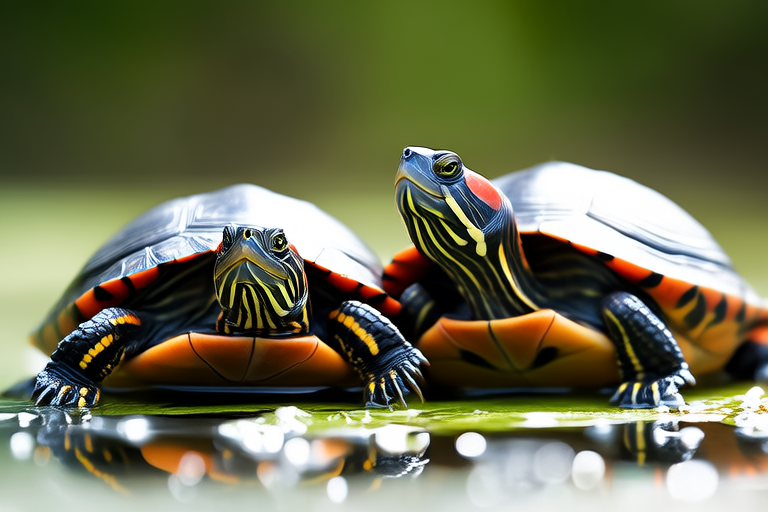
Comparing Red-Eared Sliders with Other Common Pet Turtles
Welcome to an exciting journey through the world of pet turtles! Whether you’re a seasoned turtle enthusiast or a first-time pet owner, understanding the nuances between different species can significantly enhance your experience. In this guide, we’ll delve into the fascinating lives of Red-Eared Sliders and compare them with other popular pet turtles, focusing on habitat requirements, dietary needs, lifespan, interaction with humans, and care complexity. We’ll also provide tips for beginners on what to consider when choosing between these captivating creatures.
Habitat Requirements
One of the most critical aspects of turtle ownership is providing the right environment. Let’s start by examining the habitat requirements for Red-Eared Sliders and their counterparts.
Red-Eared Sliders
Red-Eared Sliders (Trachemys scripta elegans) are semi-aquatic turtles that thrive in environments with both water and land areas. They require a spacious tank with at least 40 gallons of water per inch of shell length, ensuring ample swimming space. Additionally, a basking area with a heat lamp and UVB lighting is essential for their health. The temperature should range from 75°F to 85°F in the water and 90°F to 95°F under the basking light. A substrate that mimics their natural environment, like river sand, is ideal.
Other Common Pet Turtles
- Map Turtles: Map turtles, particularly the Mississippi map turtle, also need a large aquatic setup. They prefer deeper water and a basking area but are more sensitive to water quality and require more frequent water changes.
- Sideneck Turtles: These turtles have a unique neck folding mechanism and are generally more terrestrial than aquatic. They require a larger land area compared to Red-Eared Sliders, with less emphasis on deep water.
- Muscoy Snappers: Known for their powerful jaws, Muscoy snappers demand a robust tank setup. Their primary requirement is a deep-water environment to swim and hunt effectively.
While all these turtles share the need for a balanced aquatic and terrestrial environment, the specific requirements vary based on species, making it crucial to research thoroughly before committing to a particular turtle.
Dietary Needs
Understanding the dietary needs of your chosen turtle is vital for their overall health and well-being.
Red-Eared Sliders
Red-Eared Sliders are omnivorous, meaning they eat both plant and animal matter. Juveniles primarily consume protein-rich foods like insects, worms, and small fish, gradually shifting towards a diet of vegetables and fruits as they mature. Commercial turtle pellets and fresh greens like romaine lettuce, dandelion leaves, and kale are excellent supplements to their diet.
Other Common Pet Turtles
- Map Turtles: Similar to Red-Eared Sliders, map turtles are omnivores. However, they have a preference for meatier diets, including aquatic insects and snails. Offering a variety of protein sources ensures a balanced diet.
- Sideneck Turtles: Sideneck turtles are primarily carnivorous, especially juveniles, requiring a diet rich in live foods like crickets, earthworms, and aquatic insects.
- Muscoy Snappers: These turtles are strict carnivores, thriving on a diet of live fish, insects, and other small animals. Feeding them appropriately is crucial to prevent nutritional deficiencies.
It’s important to note that overfeeding can lead to obesity and related health issues. Regular feeding schedules and varied diets are recommended for all turtle species.
Lifespan
The longevity of your pet turtle depends on various factors, including genetics, care, and environmental conditions.
Red-Eared Sliders
With proper care, Red-Eared Sliders can live up to 30 years or more. Their long lifespan makes them a significant commitment for potential owners.
Other Common Pet Turtles
- Map Turtles: Map turtles can also live up to 30 years, making them a long-term companion if cared for correctly.
- Sideneck Turtles: Sideneck turtles have a slightly shorter lifespan, typically ranging from 15 to 25 years. Despite this, they still require dedicated care.
- Muscoy Snappers: Muscoy snappers can live up to 20 years, offering a substantial amount of time for bonding and companionship.
Regardless of the species, ensuring optimal living conditions and regular veterinary check-ups can help extend their lifespan.
Interaction with Humans
Turtles can be rewarding pets, but their level of interaction varies between species.
Red-Eared Sliders
Red-Eared Sliders are relatively social and can become accustomed to handling. However, they are not overly affectionate and may not enjoy prolonged physical contact. Occasional gentle interactions can strengthen the bond between you and your turtle.
Other Common Pet Turtles
- Map Turtles: Map turtles tend to be more skittish and may not tolerate handling as well as Red-Eared Sliders. They prefer a more hands-off approach, making them better suited for observation rather than frequent interaction.
- Sideneck Turtles: Sideneck turtles are known for their curiosity and can be quite interactive. They often enjoy exploring their surroundings and may even recognize their owners. Handling them gently and regularly can foster a strong relationship.
- Muscoy Snappers: Muscoy snappers are generally more aggressive and should be handled with caution. Due to their powerful jaws, they are not recommended for inexperienced handlers or those looking for a pet that enjoys close contact.
Understanding the temperament of your chosen turtle will help you determine the appropriate level of interaction and ensure a positive experience for both you and your pet.
Care Complexity
Choosing a pet turtle involves considering the level of care required to maintain their health and happiness.
Red-Eared Sliders
Red-Eared Sliders are considered moderately easy to care for, provided their habitat is set up correctly. Regular water changes, proper heating, and feeding are essential. While they require some initial setup, ongoing maintenance is manageable for most owners.
Other Common Pet Turtles
- Map Turtles: Map turtles demand more attention to water quality due to their sensitivity. Regular water changes and monitoring water parameters are necessary to keep them healthy.
- Sideneck Turtles: Sideneck turtles are relatively low-maintenance in terms of water quality but require more land space, making their habitats more complex to manage.
- Muscoy Snappers: Muscoy snappers are high-maintenance due to their size and dietary needs. They require a large, secure enclosure and a varied diet to thrive.
Evaluating your ability to meet these care requirements is crucial before bringing any turtle into your home.
Tips for Beginners
For those new to turtle ownership, here are some considerations to help you choose the right turtle for your lifestyle:
- Space: Ensure you have enough space for the turtle’s habitat, keeping in mind that some species require more land or water than others.
- Time Commitment: Understand the time needed for daily care, including feeding, cleaning, and monitoring health.
- Budget: Consider the cost of equipment, food, and potential veterinary expenses.
- Species Compatibility: Research the compatibility of different species to avoid stress or aggression within the same habitat.
- Legal Restrictions: Check local laws regarding turtle ownership to ensure compliance.
By carefully weighing these factors, you can make an informed decision that aligns with your capabilities and preferences.
Summary: Which Turtle Might Be Best Suited for Different Types of Homes and Lifestyles?
After exploring the various aspects of Red-Eared Sliders and other common pet turtles, it’s clear that each species has its unique advantages and challenges. Here’s a summary to help you decide which turtle might be best for your home:
- For a family with limited space: Red-Eared Sliders are a good choice due to their moderate care requirements and adaptable habitat needs.
- For experienced turtle owners: Map turtles offer a rewarding challenge with their higher maintenance needs and sensitivity to water quality.
- For those seeking an interactive pet: Sideneck turtles are curious and enjoy interaction, making them ideal for owners who want a more engaging relationship with their pet.
- For a large property with outdoor space: Muscoy snappers thrive in spacious, secure outdoor enclosures, making them suitable for owners with ample room.
Ultimately, the best pet turtle for you depends on your personal preferences, available resources, and the commitment you’re willing to make. Whichever turtle you choose, remember that they will be part of your family for many years, so providing them with the best possible care is paramount.
