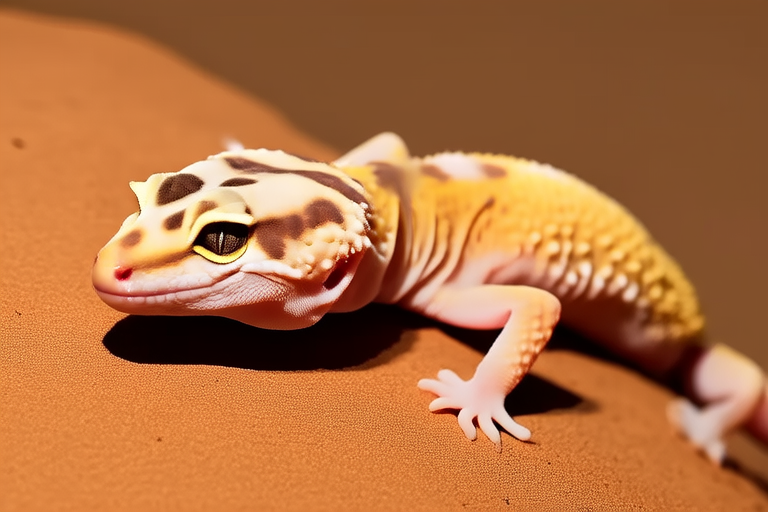
Leopard Gecko Care: A Beginner’s Guide to Keeping Your Pet Happy and Healthy
Welcome to your comprehensive guide on caring for leopard geckos! Leopard geckos are popular pets due to their docile nature, ease of care, and vibrant colors. This guide will walk you through setting up the perfect habitat, maintaining the right temperature and humidity levels, feeding your gecko properly, handling it safely, and recognizing common health issues. By following these tips, you’ll ensure your pet stays happy and healthy.
Setting Up the Habitat
The first step in leopard gecko care is creating a suitable environment. Start by choosing an appropriate tank size; a 20-gallon tank is sufficient for one adult gecko. For multiple geckos, add 10 gallons per additional gecko. Use a secure lid with ventilation holes to prevent escapes. Inside the tank, provide a substrate that is safe and easy to clean, such as reptile carpet or paper towels. Avoid substrates like sand or gravel which can cause impaction if ingested.
Include hiding spots and climbing structures to mimic their natural environment. Half logs, cork bark, and caves made from clay or plastic work well. These items help reduce stress and provide a sense of security. Additionally, include a shallow water dish for drinking and soaking. Change the water daily to maintain hygiene.
Temperature and Humidity Requirements
Maintaining the correct temperature and humidity is crucial for your gecko’s health. Leopard geckos thrive in a temperature gradient ranging from 78°F to 90°F (26°C to 32°C). Place a heat mat under one side of the tank to create this gradient. Use a thermometer to monitor temperatures accurately. Keep the cool side at around 78°F and the warm side closer to 90°F.
Humidity should be kept low, between 30% and 40%. Excess moisture can lead to respiratory infections. To achieve this, avoid misting the tank and ensure proper ventilation. If necessary, use a hygrometer to measure humidity levels.
Feeding Guidelines
Leopard geckos are insectivores, meaning their diet consists primarily of insects. Crickets, mealworms, and waxworms are excellent choices. Offer food every day for juveniles and every other day for adults. Feed crickets no larger than the space between the gecko’s eyes to prevent choking.
Vary the diet by including different types of insects to ensure a balanced intake of nutrients. Dust the insects with calcium powder before feeding, especially for growing geckos or females during breeding. Gut loading insects—feeding them nutritious food before offering them to your gecko—can also enhance their nutritional value.
Handling Tips
Leopard geckos are generally calm and easy to handle, but it’s important to approach them gently. Wash your hands before and after handling to avoid transferring bacteria or chemicals. Allow the gecko to get used to your presence by spending time near its tank before attempting to pick it up.
Pick up your gecko by supporting its body with both hands, avoiding lifting it by its tail. Do not handle your gecko immediately after eating or shedding, as it may be more sensitive or stressed during these times. Limit handling sessions to 10-15 minutes to minimize stress.
Common Health Issues
Like any pet, leopard geckos can face health challenges. Metabolic bone disease (MBD) is a common issue caused by calcium deficiency. Signs include weak limbs, swollen joints, and difficulty moving. Prevent MBD by ensuring proper calcium supplementation and UVB lighting.
Respiratory infections can occur if humidity levels are too high or if the gecko is exposed to cold temperatures. Symptoms include wheezing, nasal discharge, and lethargy. Seek veterinary assistance promptly if you suspect a respiratory infection.
Impaction happens when a gecko ingests something indigestible, like substrate. Signs include constipation, bloating, and reluctance to move. Immediate veterinary care is necessary for impaction.
Signs of a Healthy Leopard Gecko
A healthy leopard gecko exhibits several key traits. It should have clear eyes, smooth skin, and a full, plump body. Active behavior, good appetite, and regular shedding cycles are also indicators of good health. Pay attention to any changes in behavior or appearance, as they could signal potential problems.
Your gecko should shed its skin easily without pieces remaining attached. If shedding is incomplete, soak the gecko in lukewarm water for 10-15 minutes to aid the process. Regular vet check-ups can also help catch any issues early.
Conclusion
Caring for a leopard gecko is a rewarding experience when done correctly. By setting up the right habitat, maintaining optimal temperature and humidity levels, providing a varied diet, and handling your gecko gently, you’ll ensure its happiness and longevity. Remember, each gecko is unique, so observe your pet closely and adapt care practices accordingly. With proper care, your leopard gecko will thrive and bring joy for years to come.
