Siamese Cats: The Ultimate Guide for New and Prospective Owners
Welcome to the world of Siamese cats! Known for their striking blue almond-shaped eyes, distinctive color points, and vocal personalities, these cats have captured the hearts of many. This comprehensive guide will help you understand everything you need to know about owning a Siamese cat, from their fascinating history to practical advice on care and training.
History of the Siamese Cat
The Siamese cat has a rich history that dates back centuries. Originating in Thailand (formerly Siam), these cats were revered by royalty and were often associated with temples. They were believed to be sacred and were sometimes kept as companions to Buddhist monks. The first Siamese cats arrived in Britain in the late 19th century and quickly gained popularity due to their unique appearance and charming personalities. By the early 20th century, they had made their way across the Atlantic to the United States, where they continue to be one of the most popular purebred cat breeds today.
Physical Characteristics
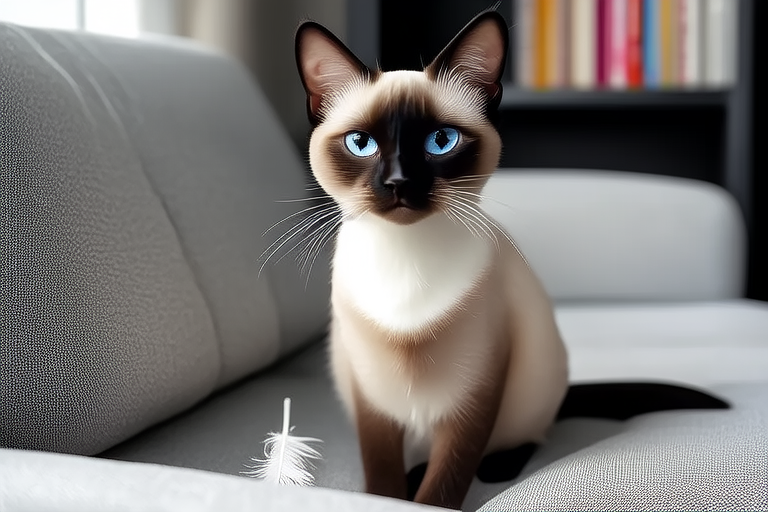
Siamese cats are known for their sleek, muscular bodies, wedge-shaped heads, and long, slender legs. Their coat is short and fine, which makes them relatively easy to groom. One of the most distinctive features of Siamese cats is their coloration, which is a result of a temperature-sensitive enzyme that causes darker pigmentation in cooler areas of the body, such as the ears, paws, tail, and face. This results in the classic seal point, but there are also chocolate, blue, and lilac point variations.
Temperament
Siamese cats are highly intelligent and sociable animals. They thrive on human interaction and can become quite attached to their owners. They are known for being very vocal, often meowing to communicate their needs or simply to engage with their humans. This trait makes them excellent conversationalists, but it can also mean that they may not be the best choice for those who prefer a quieter household. Despite their vocal nature, Siamese cats are generally good-natured and get along well with children and other pets when properly introduced.
Common Health Issues
Like all breeds, Siamese cats are prone to certain health issues. Some of the more common conditions include:
- Kidney Disease: Chronic kidney disease is a common issue among older Siamese cats.
- Congenital Heart Defects: Some Siamese cats are born with heart defects, which can vary in severity.
- Progressive Retinal Atrophy (PRA): This genetic condition can lead to blindness.
Regular veterinary check-ups and a healthy diet can help mitigate some of these risks. It’s important to choose a reputable breeder who screens for these conditions to ensure your Siamese cat has the best chance at a long and healthy life.
Dietary Needs
Siamese cats require a balanced diet that meets their nutritional needs. High-quality commercial cat food formulated for their age and activity level is usually sufficient. However, it’s essential to monitor their weight and adjust their diet as needed to prevent obesity, which can lead to various health problems. Fresh water should always be available, and some Siamese cats enjoy treats as part of their diet. Always consult with your veterinarian before introducing any new foods or supplements.
Grooming Requirements
Due to their short coats, Siamese cats require minimal grooming. A weekly brushing with a soft brush will help remove loose hair and distribute skin oils. Bathing is generally unnecessary unless the cat gets particularly dirty. Regular nail trimming and dental care are also important aspects of grooming. Dental hygiene can be maintained through regular brushing or providing dental treats and toys designed to promote oral health.
Training Tips
Siamese cats are intelligent and can learn simple commands and tricks. Positive reinforcement techniques, such as clicker training or rewarding good behavior with treats, work well. Consistency is key when training your Siamese cat. They respond well to verbal praise and can even be taught to use a scratching post or litter box through positive reinforcement. Patience and persistence are necessary, but the rewards are worth it.
Creating a Stimulating Environment
To keep your Siamese cat happy and healthy, it’s important to provide a stimulating environment. Interactive toys, climbing structures, and scratching posts can help satisfy their natural instincts. Siamese cats are active and enjoy playing, so consider incorporating puzzle feeders or interactive toys that encourage mental engagement. Providing a variety of perches and hiding spots can also help them feel secure and comfortable in their surroundings.
Vocal Nature and Social Behavior
Siamese cats are known for their vocal nature. They tend to be very communicative and may meow frequently to express their needs or simply to engage with their owners. While this can be endearing, it can also be challenging for those who prefer a quieter household. Understanding and addressing the reasons behind their vocalizations can help manage this behavior. For example, if your Siamese cat is meowing excessively, it could be due to hunger, boredom, or seeking attention.
Socially, Siamese cats are generally friendly and enjoy the company of people and other animals. They are adaptable and can fit well into various family settings. However, they do require companionship and may become distressed if left alone for extended periods. Providing them with plenty of attention and interaction can help prevent loneliness and destructive behaviors.
Tips for Integrating Siamese Cats into Families with Children or Other Pets
Integrating a Siamese cat into a family with children requires patience and supervision. Teach children how to handle and interact with the cat gently and respectfully. Encourage gentle play and discourage rough handling. Supervised interactions can help establish a positive relationship between the cat and children.
When introducing a Siamese cat to other pets, gradual introductions under controlled conditions are recommended. Allow the pets to become familiar with each other’s scent before bringing them together in the same space. Monitor their interactions closely and intervene if any signs of aggression or discomfort arise. Positive reinforcement and rewards can encourage positive behaviors during the introduction process.
Owning a Siamese cat can be a rewarding experience, but it also comes with responsibilities. By understanding their unique needs and providing proper care, you can ensure a happy and healthy life for your Siamese companion. Whether you’re a new owner or an experienced cat lover, this guide provides valuable insights and practical advice to help you create a loving home for your Siamese cat.
