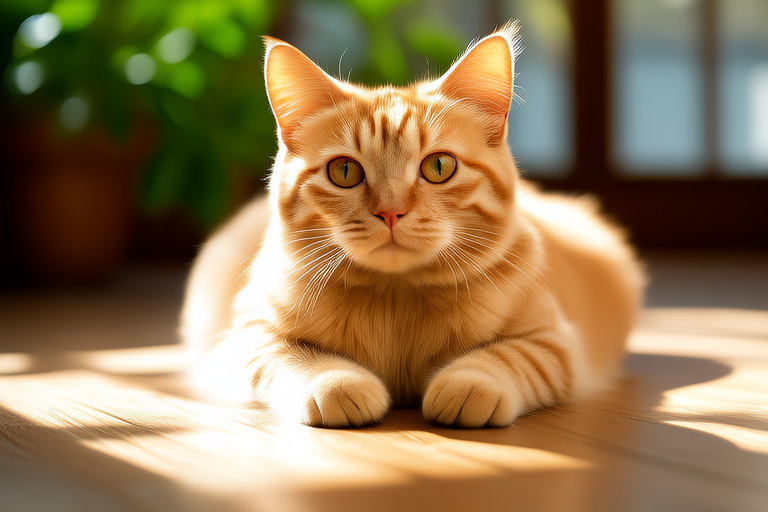
The Unique and Endearing Traits of Munchkin Cats
When it comes to cats, the Munchkin breed stands out not only for its distinctive physical appearance but also for its charming and engaging personality. This article explores the unique and endearing traits of Munchkin cats beyond their short legs, discussing their temperament, intelligence, adaptability, and interaction with humans. We will also delve into health considerations specific to this breed and share anecdotes that highlight their personality.
Temperament: Gentle and Affectionate
Munchkin cats are known for their gentle and affectionate nature. They are typically friendly towards people and other pets, making them excellent companions for families and individuals alike. Their calm demeanor makes them ideal for households with children, as they tend to be patient and tolerant of playful interactions. However, like all cats, they still need time and space to rest and recharge.
Munchkins are also very social creatures, often seeking out human company. They enjoy being part of family activities and may follow their owners around the house, much like a dog. This trait makes them particularly appealing to those who want a cat that is more interactive and involved in daily life.
Intelligence and Curiosity
One of the most endearing qualities of Munchkin cats is their intelligence and curiosity. These cats are known for their problem-solving abilities and love to explore their environment. They are quick learners and can easily adapt to new situations, which makes training them relatively straightforward. Munchkins are also highly observant and often anticipate their owner’s routines, such as knowing when it’s time for feeding or playtime.
These cats are curious by nature and love to investigate every nook and cranny in their surroundings. They are always on the lookout for new toys, hiding spots, or interesting objects to play with. Their intelligence and curiosity make them entertaining companions, always ready to engage in mental stimulation and play.
Adaptability and Playfulness
Munchkin cats are highly adaptable, making them suitable for various living environments. Whether you live in a small apartment or a spacious home, these cats can thrive as long as they have enough space to move around and play. They are versatile and can adjust to different household dynamics, whether there are other pets or children present.
Their short legs, while a defining characteristic, do not hinder their playfulness. In fact, they use their agility and flexibility to their advantage, often surprising people with their acrobatic skills. Munchkins are known for their playful antics, such as chasing after toys or leaping onto high surfaces. Despite their shorter stature, they can jump surprisingly high, thanks to their strong hind legs.
One story that illustrates their adaptability and playfulness involves a Munchkin named Whiskers. Whiskers lived in an apartment with limited outdoor space but had access to a balcony. One day, the balcony railing was left open, and Whiskers decided to explore the outside world. Instead of panicking, Whiskers carefully navigated the railing and even managed to balance on the edge. Fortunately, the owner noticed and quickly closed the railing, ensuring Whiskers’ safety. This incident showcased Whiskers’ adaptability and curiosity, highlighting the need for careful supervision when Munchkins are exposed to new environments.
Interaction with Humans
Munchkin cats are highly interactive with humans, forming strong bonds with their owners. They enjoy being petted, cuddled, and talked to, often purring contentedly in response to affection. Their affectionate nature makes them excellent lap cats, providing comfort and companionship to their owners.
These cats are also known for their vocalization, often chirping or trilling to communicate with their human companions. They are expressive and can convey their emotions through body language and sounds, making it easy for owners to understand their needs and desires. Munchkins are particularly good at reading their owner’s moods and can offer support and comfort during difficult times.
Health Considerations
While Munchkin cats are generally healthy, there are some health considerations specific to this breed. The most notable concern is spinal issues, such as lordosis (swayback) and kyphosis (humpback). These conditions can occur due to the genetic mutation responsible for their short legs. However, not all Munchkins develop these issues, and many live healthy lives without any problems.
To ensure the well-being of Munchkin cats, it is essential to provide them with regular veterinary care and maintain a healthy weight. Obesity can exacerbate spinal issues, so it’s crucial to monitor their diet and provide opportunities for exercise. Regular check-ups with a veterinarian can help detect any potential health problems early and address them promptly.
Behavior Influenced by Short Legs
The short legs of Munchkin cats have a significant impact on their behavior and playfulness. While they cannot run as fast as other breeds, they compensate for their lack of speed with agility and creativity. Munchkins are known for their ability to navigate tight spaces and squeeze into small areas, making them excellent hunters and explorers.
One anecdote that highlights the influence of their short legs involves a Munchkin named Paws. Paws lived in a home with a narrow hallway that led to a cozy nook. Despite the tight space, Paws found a way to maneuver through the hallway and reach the nook. Her agility allowed her to leap over obstacles and turn sharply, showcasing her adaptability and determination.
Munchkin cats are also known for their playful hunting behavior. They love to chase after toys and mimic the movements of prey, such as birds or insects. Their short legs give them a unique hunting style, where they pounce and swipe at toys with great enthusiasm. This playful behavior keeps them physically active and mentally stimulated.
Stories and Anecdotes
There are numerous stories and anecdotes that showcase the personality of Munchkin cats. One such story involves a Munchkin named Luna, who lived in a household with two young children. Luna quickly became the children’s favorite companion, always ready to play and cuddle. She would join them in games of hide-and-seek, using her agility to find hidden spots and surprise the children.
Another anecdote involves a Munchkin named Charlie, who lived in a home with a large backyard. Despite his short legs, Charlie was determined to explore every corner of the yard. He would leap onto fences, climb trees, and chase after butterflies with great enthusiasm. His playful and adventurous spirit made him a beloved member of the family.
These stories illustrate the unique and endearing traits of Munchkin cats, highlighting their adaptability, playfulness, and strong bond with their human companions. Whether they are exploring new environments, playing with toys, or offering comfort and companionship, Munchkin cats bring joy and entertainment to their owners.
Conclusion
Munchkin cats are more than just their distinctive physical appearance; they possess unique and endearing traits that make them exceptional companions. Their gentle and affectionate temperament, combined with their intelligence and curiosity, makes them ideal pets for families and individuals alike. Their adaptability and playfulness, influenced by their short legs, add to their charm and appeal.
While there are some health considerations specific to this breed, with proper care and attention, Munchkin cats can lead healthy and fulfilling lives. By understanding their needs and providing them with love and attention, owners can enjoy the company of these delightful and engaging feline friends.
