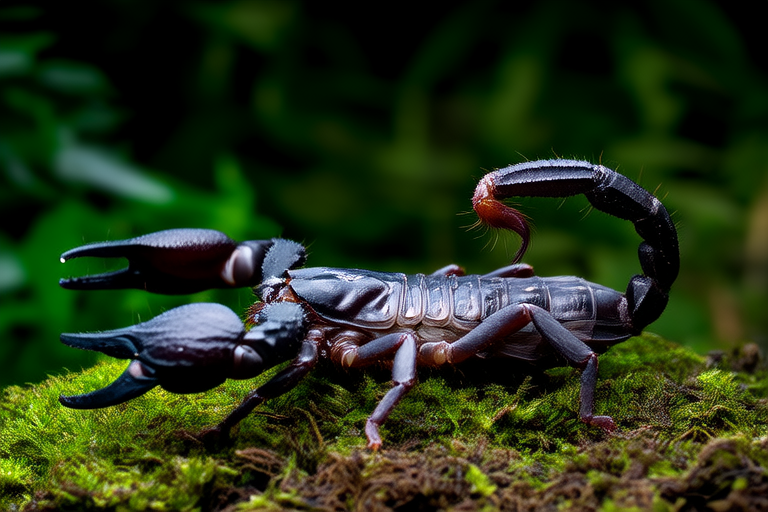
How to Safely Handle and Maintain Heterometrus Spinifer as a Hobbyist
Welcome to an in-depth guide on how to safely handle and maintain Heterometrus spinifer, commonly known as the Asian forest scorpion. This article aims to provide you with all the necessary information to ensure both your safety and the well-being of your pet. Whether you’re a novice or an experienced hobbyist, this comprehensive guide will help you understand the basic needs, suitable housing conditions, diet requirements, safe handling techniques, common health issues, and tips for maintaining a healthy environment for your H. spinifer.
Introduction to Heterometrus Spinifer
The Heterometrus spinifer is a fascinating species of scorpion native to Southeast Asia. Known for its robust size and unique appearance, it has become a popular choice among hobbyists who appreciate the challenge and reward of caring for these arachnids. Before delving into the specifics of care, it’s crucial to understand that owning a H. spinifer requires commitment and thorough research.
Basic Needs of Heterometrus Spinifer
Heterometrus spinifer have specific needs that must be met to thrive in captivity. These include temperature, humidity, lighting, and substrate. The ideal temperature range for this species is between 78°F and 86°F (25°C – 30°C), with a relative humidity level around 70-80%. Providing adequate ventilation is also essential to prevent respiratory issues.
Suitable Housing Conditions
Adequate housing is critical for the well-being of your H. spinifer. A terrarium measuring at least 18 inches long, 12 inches wide, and 12 inches high is recommended for an adult scorpion. Use a secure lid to prevent escapes. The substrate should be a mix of coconut fiber and peat moss to retain moisture and provide burrowing opportunities. Additionally, include hiding spots like cork bark or half logs to mimic their natural habitat.
Diet Requirements
Your H. spinifer requires a varied diet rich in nutrients. Feed them live insects such as crickets, dubia roaches, and super worms. Juveniles may need smaller prey items, while adults can consume larger prey. Offer food every 7-10 days, ensuring no uneaten prey remains in the enclosure to avoid attracting pests. Always provide fresh water in a shallow dish.
Safe Handling Techniques
Handling H. spinifer should only be done when necessary and with extreme caution. Always wear thick gloves to protect yourself from their venomous sting. Never grab or restrain the scorpion; instead, gently coax it into a container for transportation. It’s advisable to limit handling to minimize stress and potential injury to both the handler and the scorpion.
Common Health Issues
Like any pet, H. spinifer can face health challenges. Common issues include dehydration, mite infestations, and improper shedding. Regular observation of your scorpion’s behavior and physical condition is key to early detection of problems. If you notice any unusual signs, consult a veterinarian specializing in exotic animals for proper diagnosis and treatment.
Tips for Maintaining a Healthy Environment
To keep your H. spinifer healthy, follow these tips:
- Regularly clean the enclosure to prevent bacterial growth and maintain hygiene.
- Monitor temperature and humidity levels daily to ensure they remain within the optimal range.
- Inspect the substrate and hideouts for signs of mold or mildew.
- Provide a balanced diet and vary the types of prey offered.
- Ensure the enclosure has appropriate ventilation.
Importance of Research and Preparation
Before acquiring a H. spinifer, it’s vital to conduct extensive research and prepare adequately. Understand the legalities surrounding the ownership of exotic pets in your area. Prepare the necessary equipment, including a suitable enclosure, heating devices, and feeding supplies. Familiarize yourself with local veterinarians who specialize in exotic animals.
Conclusion
Owning a Heterometrus spinifer can be a rewarding experience for those willing to invest time and effort into understanding and meeting their needs. By following the guidelines outlined in this article, you can provide a safe and healthy environment for your scorpion while minimizing risks to yourself. Remember, responsible pet ownership involves continuous learning and adaptation to ensure the best possible care for your pet.
