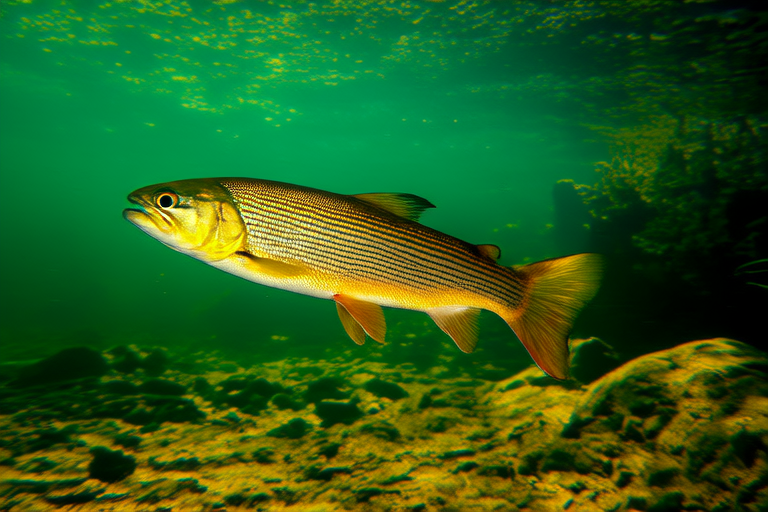
The Hidden Secrets Behind Keeping Rajah Cichlids Thriving
Rajah cichlids, also known as Apistogramma cacatuoides, are small but vibrant freshwater fish that can add a splash of color and activity to any aquarium. Originating from the Amazon Basin, these cichlids are known for their striking appearance and complex behavior. However, keeping them thriving requires careful attention to their specific needs. This article delves into the secrets behind ensuring Rajah cichlids remain healthy and happy in your tank.
Optimal Water Conditions
Maintaining the right water parameters is crucial for the well-being of Rajah cichlids. They prefer soft, slightly acidic water with a pH range of 5.5 to 6.5. The hardness should be kept between 2 and 8 dGH. Temperature-wise, they thrive best at around 78 to 82 degrees Fahrenheit (25.5 to 27.8 degrees Celsius). To achieve these conditions, regular testing of the water and the use of appropriate filtration systems are essential.
- Water Testing: Invest in a reliable water testing kit to monitor pH, hardness, and temperature regularly. Adjustments may be necessary if levels drift outside the recommended range.
- Filtration: Use a filter that provides gentle water flow while ensuring adequate biological and mechanical filtration. Avoid strong currents that could stress the fish.
Diet Specifics
Rajah cichlids are omnivorous and require a balanced diet to stay healthy. Their natural diet includes small insects, worms, crustaceans, and plant matter. In captivity, you can feed them a variety of foods:
- Live Foods: Brine shrimp, bloodworms, and daphnia are excellent choices. These provide essential nutrients and stimulate natural feeding behaviors.
- Frozen Foods: Frozen brine shrimp, bloodworms, and other similar options are convenient and nutritious.
- Dry Foods: High-quality cichlid pellets or flakes designed for tropical fish offer a good base diet. Ensure the food is varied to prevent nutritional deficiencies.
Feed them small amounts several times a day rather than large meals once a day. This mimics their natural feeding patterns and helps maintain their digestive health.
Tank Setup
A well-planned tank setup is vital for the comfort and safety of Rajah cichlids. Here’s how to set up an ideal habitat:
- Tank Size: A minimum of 20 gallons is recommended for a single pair. Larger tanks provide more space for territories and reduce aggression.
- Substrate: Fine sand or very small gravel is preferable as it mimics their natural riverbed habitats. Avoid sharp or large substrates that could injure the fish.
- Hiding Spots: Provide numerous caves, plants, and driftwood for hiding and spawning. These structures help reduce stress and promote natural behaviors.
- Lighting: Use subdued lighting to replicate the dim conditions of their natural habitat. Overly bright lights can cause stress.
Compatible Tank Mates
Selecting suitable tank mates is important for the overall harmony of your aquarium. Rajah cichlids are generally peaceful but can become territorial, especially during spawning. Compatible tank mates include:
- Other Small Cichlids: Species like kribensis or Bolivian rams share similar temperament and environmental preferences.
- Gentle Tetras: Neon tetras, cardinal tetras, and ember tetras are active yet non-aggressive companions.
- Snails: Nerite snails or Malaysian trumpet snails can help keep the tank clean without disturbing the cichlids.
Avoid aggressive species or those that might compete for resources, such as large or predatory fish.
Breeding Habits
Rajah cichlids are relatively easy to breed in captivity. They form monogamous pairs and can be prolific breeders under the right conditions. Here’s what you need to know about breeding them:
- Conditioning: Before breeding, ensure both the male and female are in optimal health. Feed them a diet rich in protein and vitamins.
- Spawning Sites: Provide plenty of suitable spawning sites, such as caves or coconut shells. The female will lay eggs inside these areas.
- Egg Care: After spawning, the female will guard the eggs while the male patrols the territory. Keep the water quality high to prevent fungal infections.
- Fry Rearing: Once the fry hatch, they will be cared for by the parents until they are free-swimming. At this point, you can transfer them to a separate rearing tank with live foods.
Common Health Issues
Like all aquatic animals, Rajah cichlids are susceptible to various health problems. Some of the most common issues include:
- Ich (Ichthyophthirius multifiliis): This parasitic infection causes white spots on the fish. Treatment involves raising the water temperature to 86 degrees Fahrenheit (30 degrees Celsius) and using anti-parasitic medications.
- Fin Rot: Caused by bacterial infections, fin rot results in frayed and discolored fins. Antibiotics and improved water quality can help manage this condition.
- Constipation: Often due to overfeeding or poor diet, constipation manifests as bloated bellies. Feeding live foods or increasing fiber intake can alleviate this issue.
Regular observation and prompt action can prevent many health problems from escalating.
Practical Tips for Maintaining a Healthy Environment
Keeping Rajah cichlids healthy involves more than just meeting their basic needs. Here are some practical tips:
- Regular Water Changes: Perform partial water changes weekly to maintain water quality. Replace about 20% of the tank water each time.
- Proper Filtration: Ensure the filter is appropriately sized for the tank and provides both mechanical and biological filtration.
- Observation: Regularly observe your fish for any signs of stress or illness. Early detection can make treatment more effective.
- Stress Reduction: Minimize sudden changes in water parameters or tank decorations to reduce stress.
Troubleshooting Common Challenges
Even with the best care, Rajah cichlid owners may face certain challenges. Here are solutions to some common issues:
- Aggression: If aggression becomes a problem, consider adding more hiding spots or separating overly aggressive individuals.
- Low Appetite: Sometimes, fish may stop eating due to stress or poor water quality. Improving the environment and offering different types of food can encourage feeding.
- Difficulty Breeding: Ensure the tank is well-established, with proper water conditions and ample hiding spots. Conditioning the fish with a varied diet can also help.
By understanding and addressing these aspects, you can create an environment where Rajah cichlids thrive, adding beauty and excitement to your aquarium. Whether you’re a beginner or an experienced aquarist, these tips will help you enjoy the rewarding experience of caring for these fascinating fish.
