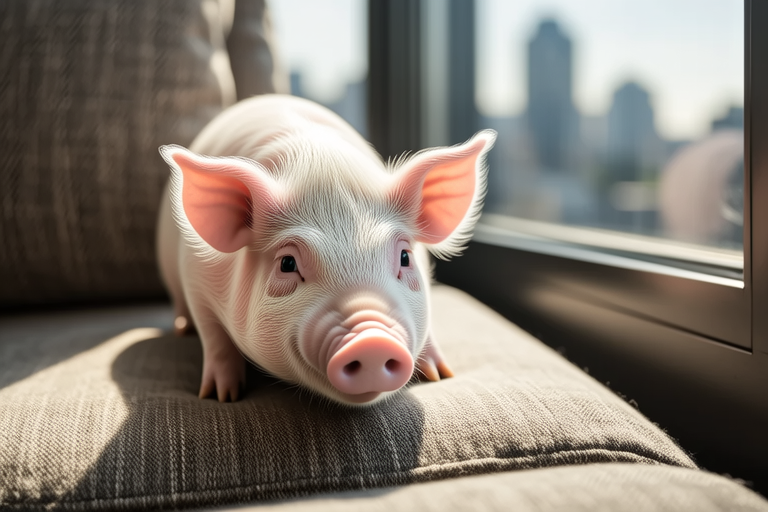
From Farm to Home: Transforming Mini Pigs into Urban Companions
Welcome to a comprehensive guide on integrating mini pigs into urban environments. This article aims to demystify the journey of these animals from farm settings to becoming cherished urban companions. We will delve into their care, dietary needs, space requirements, and social behavior, while also addressing the challenges potential owners may encounter. By the end of this piece, you’ll have a better understanding of what it takes to successfully bring a mini pig into your home and how to foster a unique bond with them.
The Transition from Farm to Urban Life
Mini pigs, originally bred for agricultural purposes, have gained popularity as household pets. Their transition from farm environments to urban homes requires careful consideration and preparation. Unlike larger farm animals, mini pigs can thrive in smaller spaces if provided with proper care and attention.
The first step in bringing a mini pig into your home is ensuring that your living environment is suitable. Mini pigs require a safe, clean, and comfortable living space. In urban settings, this means creating an indoor or outdoor area that is secure and free from hazards. A spacious pen with a shelter, bedding, and toys can serve as a great starting point.
Dietary Needs and Care
A balanced diet is crucial for the health and well-being of your mini pig. They require a diet rich in fiber, low in fat, and free from excessive sugars. High-quality commercial pig pellets, supplemented with fresh vegetables and fruits, make up the bulk of their diet. Avoid feeding them table scraps, as these can lead to obesity and other health issues.
In addition to proper nutrition, regular exercise is essential for maintaining your mini pig’s physical health. Providing them with opportunities to roam and play helps keep them fit and mentally stimulated. Interactive toys and puzzles can also be beneficial in keeping their minds sharp.
Space Requirements
Space requirements for mini pigs vary depending on their size and activity level. On average, they need at least 40 square feet of living space indoors or outdoors. This space should include areas for sleeping, eating, and playing. Outdoor areas should be enclosed to prevent escape and protect against predators.
For those living in apartments or small homes, indoor living is still possible with the right setup. Mini pigs can adapt to living indoors if given enough space and access to outdoor areas for exercise. However, it is important to ensure that their indoor environment is safe and comfortable, with appropriate flooring and temperature control.
Social Behavior and Interaction
Mini pigs are highly social animals that thrive on interaction with their human companions. They enjoy being part of family activities and often form strong bonds with their owners. Regular positive reinforcement training can help build trust and strengthen this bond. Training sessions should be short and fun, focusing on rewarding good behavior rather than punishing bad behavior.
It’s important to note that mini pigs can exhibit behaviors similar to dogs, such as digging and rooting. These behaviors are natural and can be managed with appropriate training and redirection. Providing them with toys and activities that encourage these behaviors in a controlled manner can help channel their energy positively.
Challenges and Solutions
While mini pigs can make wonderful companions, there are challenges associated with raising them in urban settings. One common challenge is their tendency to outgrow their designated living spaces. To mitigate this, consider adopting a dwarf breed of mini pig, which tends to stay smaller than standard breeds.
Another challenge is the potential for behavioral issues due to lack of stimulation or improper socialization. Ensuring that your mini pig has plenty of mental and physical stimulation can help prevent these issues. Regular interaction, training, and playtime are key to promoting healthy behavior.
Fostering a Unique Bond
The unique bond that forms between mini pigs and their human companions is one of the most rewarding aspects of owning one. These intelligent and affectionate animals can become integral members of your family. The time spent together during training, play, and daily routines strengthens this bond and creates lasting memories.
Building this bond requires patience, consistency, and love. By providing your mini pig with the care, attention, and affection they need, you can foster a deep connection that enriches both your lives. Remember, every pig is unique, so take the time to understand your pet’s individual needs and preferences.
Conclusion
Bringing a mini pig into your urban home is a significant commitment that requires careful planning and preparation. By understanding their care, dietary needs, space requirements, and social behavior, you can successfully integrate them into your family and create a loving, lasting bond. While challenges may arise, with patience and dedication, you can overcome these obstacles and enjoy the many benefits of having a mini pig as a companion. Welcome to the world of mini pigs – where adventure and companionship await.
