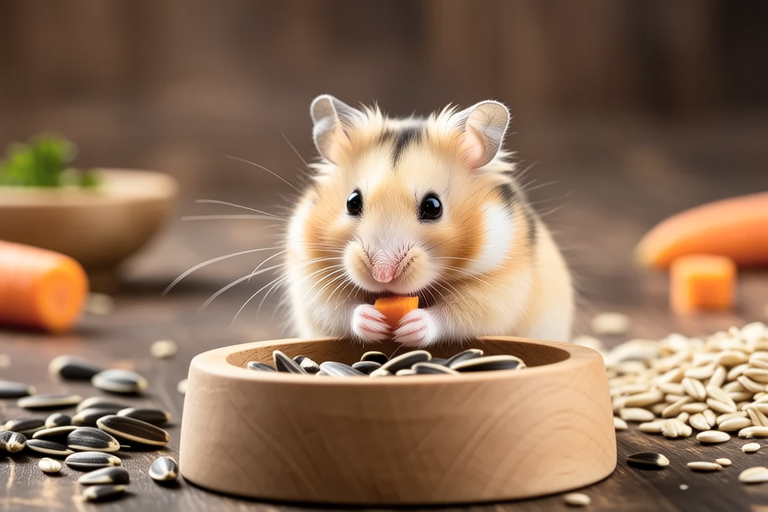
Nutritious Nibbles: What Every Owner Should Know About Feeding Their Golden Hamster
Welcome to the world of golden hamster care! As a responsible owner, you want to ensure that your furry friend enjoys a healthy and balanced diet. This guide will provide you with all the essential information on feeding your golden hamster, including the best foods, portion sizes, feeding schedules, and how to recognize signs of malnutrition or overfeeding.
A Balanced Diet for Your Golden Hamster
Golden hamsters have specific dietary needs that must be met to keep them healthy and happy. A balanced diet should consist of high-quality hamster pellets, fresh vegetables, fruits, and occasional treats. The pellets should make up the bulk of their diet, providing necessary nutrients like protein, fats, carbohydrates, vitamins, and minerals. It’s important to choose a reputable brand that caters specifically to hamsters, as these pellets are formulated to meet their nutritional requirements.
Foods Suitable for Golden Hamsters
Hamster Pellets
The cornerstone of your golden hamster’s diet should be high-quality hamster pellets. These pellets are designed to provide a complete and balanced diet, ensuring that your hamster receives all the necessary nutrients. Look for pellets that contain a mix of seeds, grains, and dried fruits, as well as added vitamins and minerals. Avoid pellets that are primarily made of sunflower seeds, as they are too high in fat and can lead to obesity and other health issues.
Fresh Vegetables
In addition to pellets, golden hamsters enjoy a variety of fresh vegetables. Leafy greens such as romaine lettuce, spinach, and kale are excellent choices, as they are low in sugar and high in fiber. Other vegetables like carrots, bell peppers, and cucumbers can also be offered in moderation. Remember to wash the vegetables thoroughly before feeding them to your hamster to remove any pesticides or dirt.
Fruits
Fruits can be given as an occasional treat due to their high sugar content. Apples, strawberries, blueberries, and bananas are popular choices among hamsters. However, it’s crucial to limit fruit intake to prevent digestive issues caused by excessive sugar consumption. Always remove the seeds from apples and pips from berries, as they can be harmful to your pet.
Treats
Occasional treats can enhance your golden hamster’s diet and provide mental stimulation. Safe options include small pieces of cheese, yogurt drops, and specially formulated hamster treats. Be cautious with nuts and seeds, as they are high in fat and should only be given sparingly. Treats should never exceed 10% of your hamster’s daily caloric intake.
Foods to Avoid
While there are many foods that are safe and beneficial for your golden hamster, there are also several that should be avoided at all costs. These include raw beans, rhubarb, potato peels, avocado, chocolate, caffeine, and alcohol. These items can cause severe health problems, including gastrointestinal upset, toxicity, and even death. Always research any new food before introducing it to your hamster’s diet.
Portion Sizes and Feeding Schedules
Feeding your golden hamster the right amount of food is just as important as choosing the right foods. Adult hamsters require about one tablespoon of pellets per day, while younger hamsters may need slightly more. Fresh vegetables and fruits should be offered in small quantities, equivalent to a teaspoon or two, depending on the type of produce. Monitor your hamster’s eating habits and adjust the portion size accordingly to prevent overfeeding or malnutrition.
It’s generally recommended to feed your golden hamster once in the morning and once in the evening. This mimics their natural feeding patterns in the wild, where they would eat during dawn and dusk. Ensure that any uneaten food is removed after a few hours to prevent spoilage and maintain hygiene in the cage.
The Importance of Fresh Water
Water is essential for your golden hamster’s overall health and well-being. Always provide fresh, clean water daily, changing it at least once every 24 hours. Use a water bottle with a sipper tube, as this is the safest and most hygienic option for your pet. Check the sipper tube regularly to ensure it is functioning correctly and free of obstructions. Dehydration can quickly become life-threatening for hamsters, so it’s crucial to monitor their water intake and address any issues promptly.
Integrating Occasional Treats Without Causing Health Issues
Treats can be a delightful addition to your golden hamster’s diet when used wisely. Integrate treats into their routine by offering them as rewards during training sessions or as a special treat on occasion. Keep track of the total number of calories from treats to ensure they don’t exceed 10% of your hamster’s daily caloric intake. By doing so, you can enjoy sharing these treats with your pet without compromising their health.
Recognizing Signs of Malnutrition or Overfeeding
It’s important to be vigilant about your golden hamster’s health and well-being. Signs of malnutrition include lethargy, weight loss, dull coat, and reduced activity levels. Conversely, overfeeding can lead to obesity, which increases the risk of various health issues such as diabetes, heart disease, and joint problems. Regularly weigh your hamster and monitor its body condition score to ensure it remains within a healthy range. If you notice any concerning changes, consult a veterinarian for advice.
Tips for Adjusting Diets
If you suspect that your golden hamster is experiencing malnutrition or overfeeding, it’s time to reassess their diet. For malnutrition, increase the quantity and quality of food gradually, focusing on nutrient-dense options. For overfeeding, reduce the portion sizes and cut back on high-calorie treats. Always introduce new foods slowly to allow your hamster’s digestive system to adapt. Consult a veterinarian if you’re unsure about making dietary changes or if your hamster’s condition doesn’t improve.
In conclusion, providing a nutritious and balanced diet is crucial for maintaining your golden hamster’s health and happiness. By understanding their dietary needs, offering a variety of safe and appropriate foods, and monitoring their eating habits, you can ensure that your pet thrives. Remember, a little knowledge goes a long way in keeping your golden hamster happy and healthy. Happy feeding!
