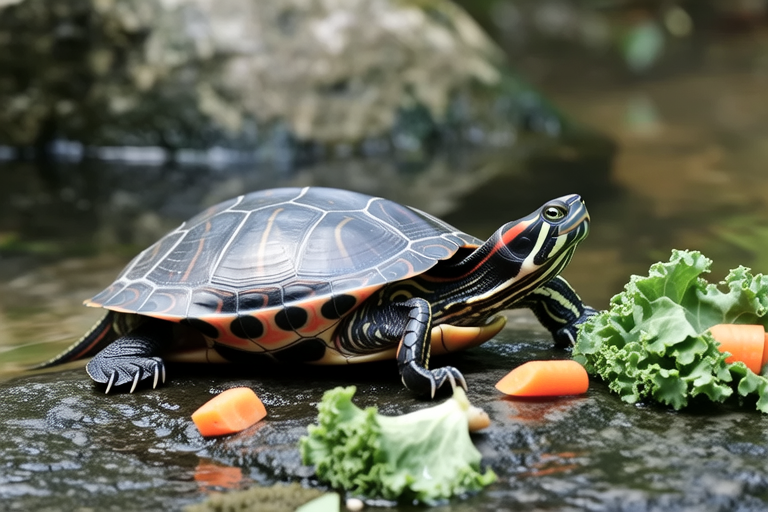
The Best Diet Tips for Keeping Your Red-Eared Slider Healthy and Happy
Red-eared sliders (Trachemys scripta elegans) are one of the most popular turtle species kept as pets worldwide. Known for their distinctive red markings behind their eyes and their relatively hardy nature, these turtles can live up to 30 years or more if cared for properly. A critical aspect of their care is ensuring they have a well-balanced diet that supports their growth, health, and longevity.
The Importance of a Balanced Diet
A balanced diet is essential for the overall health of your red-eared slider. Proper nutrition helps maintain their immune system, shell integrity, and energy levels. It also prevents common health issues such as metabolic bone disease and obesity. By providing a variety of nutrients, you ensure that your turtle grows strong and stays vibrant.
Suitable Food Items and Their Nutritional Value
Vegetables
Vegetables form a significant part of a red-eared slider’s diet. They provide essential vitamins, minerals, and fiber. Suitable vegetables include:
- Leafy greens: Romaine lettuce, collard greens, and dandelion greens offer high amounts of calcium, which is vital for maintaining healthy bones and shells.
- Shredded carrots: These add beta-carotene and vitamin A, promoting good vision and skin health.
- Zucchini: This vegetable provides hydration and additional vitamins.
It’s important to offer a mix of these vegetables, aiming for about 40-50% of their diet. Avoid iceberg lettuce as it has little nutritional value and can cause digestive issues.
Fruits
Fruits should be given sparingly, making up around 10% of the diet. They provide natural sugars and some vitamins but are low in calcium. Suitable fruits include:
- Mangoes: Rich in vitamin C and antioxidants.
- Bananas: Contain potassium and magnesium.
- Papaya: Offers digestive enzymes and vitamin A.
While fruits are tasty treats, they should not be overfed as excessive sugar intake can lead to health problems.
Proteins
Proteins are crucial for muscle development and repair. They should make up approximately 30-40% of the diet. Sources include:
- Insects: Crickets, mealworms, and waxworms are excellent protein sources.
- Commercial turtle sticks: These are formulated to meet the nutritional needs of aquatic turtles.
- Fish: Small pieces of fish like minnows or smelt can be offered occasionally.
Ensure that any animal-based proteins are gut-loaded or dusted with calcium powder before feeding to enhance their nutritional content.
Commercial Pellets
Commercial turtle pellets are designed to provide a balanced diet. They should be chosen carefully to ensure they meet the specific nutritional requirements of red-eared sliders. Look for pellets that are high in calcium and low in phosphorus to support shell health. Feed these pellets daily, making up about 10-20% of the diet.
Feeding Frequency and Portion Control
Younger sliders need to be fed daily, while adults can be fed every other day. The amount of food should be limited to what the turtle can consume in 10-15 minutes. Overfeeding can lead to obesity and other health issues, so monitoring portions is key.
Common Feeding Mistakes and Their Consequences
Several common mistakes can negatively impact your slider’s health:
- Overfeeding: Can lead to obesity and fatty liver disease.
- Lack of variety: Results in nutritional deficiencies and potential health problems.
- Feeding inappropriate foods: Such as iceberg lettuce or too many fruits, can cause digestive issues and malnutrition.
- Not providing enough calcium: Can result in metabolic bone disease, weakening the shell and bones.
Avoiding these pitfalls requires careful planning and attention to detail in your slider’s diet.
Monitoring Weight and Adjusting the Diet
Regularly check your turtle’s weight and overall appearance to ensure they are thriving. If you notice signs of obesity or malnutrition, adjust the diet accordingly. For example, reduce the amount of high-calorie foods or increase the proportion of leafy greens. Always consult with a veterinarian if you’re unsure about changes in your turtle’s health or diet.
By following these diet tips, you can help ensure your red-eared slider remains healthy and happy for years to come. Remember, a well-fed turtle is a happy turtle!
