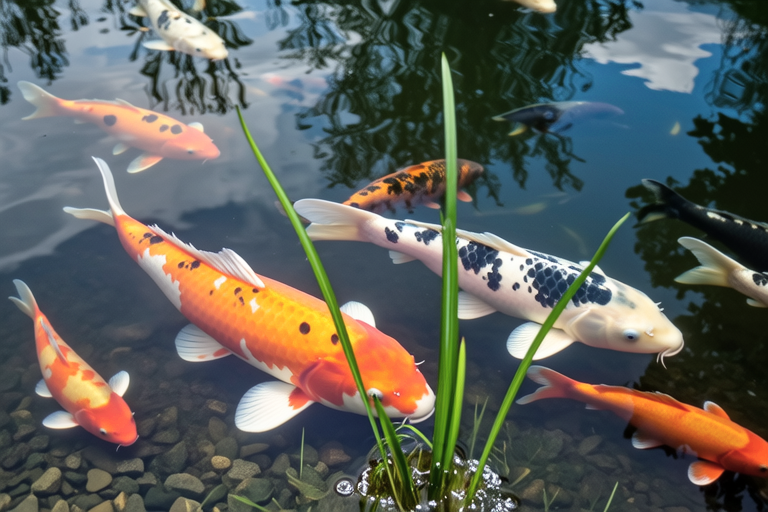
Koi Keeping Unveiled: Tips for Creating a Thriving Aquatic Paradise
Welcome to the enchanting world of koi keeping! Koi fish, known for their vibrant colors and graceful movements, have captivated enthusiasts for centuries. Originating from Japan, these ornamental carp are not just a beautiful addition to your garden but also offer a tranquil retreat for both you and your family. Maintaining a thriving koi pond involves understanding the basics of pond design, water quality, and the specific needs of these majestic creatures. This guide will walk you through the essentials of koi keeping, ensuring your aquatic paradise is as healthy as it is beautiful.
Selecting the Right Location and Size for Your Koi Pond
Choosing the right location for your koi pond is crucial. First, consider the amount of sunlight your pond receives. While koi enjoy basking in the sun, too much direct sunlight can lead to excessive algae growth. Ideally, your pond should receive partial shade, which can be achieved by positioning it under trees or installing a pergola. Additionally, ensure the site is level to prevent water from pooling at one end.
The size of your pond is equally important. As a general rule, the surface area of your pond should be at least 2 feet deep for each koi. A larger pond provides more room for your fish to swim and helps maintain stable water temperatures. It also dilutes waste products more effectively, reducing the risk of ammonia and nitrite spikes.
Essential Equipment for Koi Pond Maintenance
To ensure the longevity and health of your koi, you’ll need several pieces of equipment. A filtration system is paramount, as it helps remove harmful substances from the water. There are various types of filters, including mechanical, biological, and chemical filters. Mechanical filters trap debris, while biological filters support beneficial bacteria that break down toxic ammonia into less harmful compounds. Chemical filters can neutralize excess nutrients that contribute to algae growth.
Aeration devices, such as air pumps and diffusers, are also essential. They increase oxygen levels in the water, which is vital for koi health. Without sufficient oxygen, your fish may become stressed and susceptible to disease. Regularly cleaning your filters and maintaining your aeration systems will help keep your pond balanced and your koi thriving.
Water Quality Management
Proper water quality management is key to maintaining a healthy environment for your koi. Water parameters such as pH, ammonia, nitrite, and nitrate levels should be monitored regularly. The ideal pH range for koi is between 7.0 and 8.0. Ammonia and nitrite levels should always read zero, as even small amounts can be toxic to your fish. Nitrate levels should be kept below 40 ppm.
Regular water changes are necessary to maintain optimal water quality. Aim to change about 10% of the water weekly, increasing this percentage during warmer months when biological activity increases. Use a dechlorinator to treat tap water before adding it to the pond, as chlorine and chloramines can harm your koi.
Feeding Guidelines for Koi Health
Feeding your koi properly is crucial for their overall health and vitality. High-quality koi food should form the foundation of their diet. Look for foods rich in protein, fats, and vitamins, as these promote growth and coloration. Feed your koi twice daily, offering them as much food as they can consume within five minutes. Avoid overfeeding, as excess food can pollute the pond.
In colder months, when water temperatures drop below 50°F (10°C), reduce the frequency and amount of feedings. Cold weather slows down the metabolism of koi, so they require less food. Switch to low-protein winter foods during these periods to prevent digestive issues.
Preventing and Treating Common Diseases
Despite your best efforts, koi can still fall ill. Common diseases include fin rot, fungal infections, and parasitic infestations. Early detection and prompt treatment are essential for recovery. Regularly inspect your koi for signs of illness, such as lethargy, loss of appetite, or abnormal physical appearance.
If you suspect a disease, isolate the affected fish in a quarantine tank. This prevents the spread of infection to other fish. Consult with a veterinarian specializing in aquatic animals for accurate diagnosis and treatment options. Medications like antibiotics, antifungals, and antiparasitics may be prescribed, depending on the condition.
Enhancing Your Pond’s Ecosystem
Creating a balanced ecosystem in your koi pond enhances its beauty and supports the health of your fish. Introduce aquatic plants like water lilies and lotus to provide shade, oxygenate the water, and absorb excess nutrients. Plants also offer hiding spots for koi, reducing stress and promoting natural behaviors.
Consider adding other aquatic life to your pond, such as snails and tadpoles. These organisms help control algae and insect populations, further contributing to a healthy environment. However, avoid introducing non-native species, as they can disrupt the ecological balance.
Finally, consider incorporating features like rocks, driftwood, and artificial caves. These elements create a stimulating habitat for your koi, encouraging exploration and play. They also add aesthetic value to your pond, making it a focal point of your garden.
In conclusion, creating a thriving koi pond requires careful planning, attention to detail, and ongoing maintenance. By selecting the right location and size, investing in essential equipment, managing water quality, providing proper nutrition, and enhancing the ecosystem, you can ensure your koi live long, healthy, and colorful lives. Enjoy the journey of koi keeping, and may your aquatic paradise bring you years of joy and tranquility.
