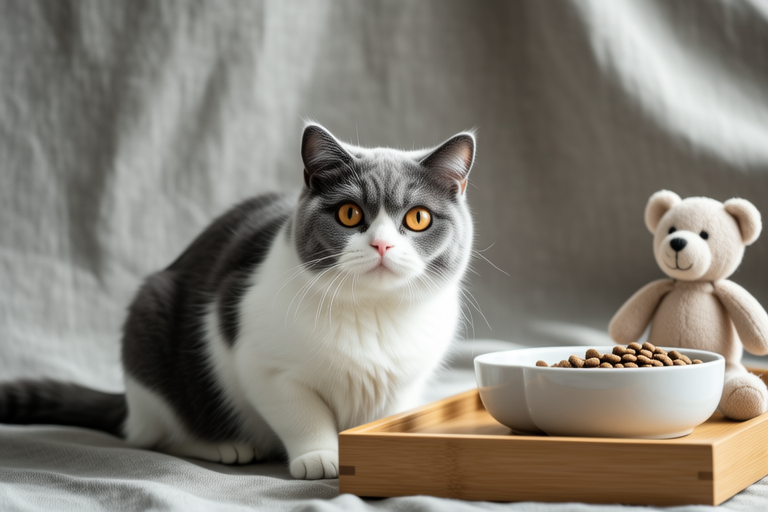
American Shorthair Cats: A Complete Care Guide for New Owners
Introduction
The American Shorthair is one of the most popular and beloved cat breeds in the United States. Known for their robust health and gentle disposition, these cats have been a favorite among families for generations. Originating from European working cats brought over during the colonial period, they were initially used to control rodent populations on ships and farms. Over time, selective breeding has refined this breed into a beautiful, medium-sized cat with a short, dense coat.
American Shorthairs are known for their calm and friendly nature, making them excellent companions for both children and adults. Their intelligence and adaptability make them easy to train, and their playful yet laid-back personalities ensure they fit well into various household environments. Whether you’re a first-time pet owner or adding another feline friend to your family, the American Shorthair is a wonderful choice.
Diet and Nutrition
Feeding your American Shorthair a balanced diet is crucial for maintaining their overall health and well-being. These cats require a high-quality commercial cat food that meets their nutritional needs, which include protein, fats, carbohydrates, vitamins, and minerals. Wet food can be particularly beneficial as it provides hydration, especially important since cats often don’t drink enough water.
It’s essential to read labels carefully and choose foods that list meat as the primary ingredient. Avoid products containing excessive fillers like corn or wheat, which offer little nutritional value. Consult with your veterinarian about specific dietary requirements based on age, weight, and activity level. For instance, kittens need more calories than adult cats, while senior cats may benefit from lower calorie, higher fiber diets.
Snacks and treats should also be part of your feeding routine but should be given sparingly to avoid obesity. Opt for healthy options such as freeze-dried liver treats or small pieces of cooked chicken.
Grooming Needs
The American Shorthair’s short, thick coat requires minimal grooming compared to long-haired breeds. However, regular brushing helps remove loose hair, prevents matting, and distributes natural oils throughout the fur. Use a slicker brush or a soft-bristled brush at least once a week. During shedding seasons (typically spring and fall), increase brushing frequency to twice weekly.
Bathing isn’t usually necessary unless the cat gets excessively dirty. If you decide to bathe your American Shorthair, use a mild shampoo formulated specifically for cats and ensure thorough rinsing to prevent skin irritation. Nail trimming is another important aspect of grooming; aim to trim nails every two weeks. This helps prevent scratching damage to furniture and promotes better hygiene.
Additionally, keep an eye on your cat’s dental health. Brush their teeth regularly using a toothbrush and toothpaste designed for cats. Dental issues can lead to serious health problems if left untreated.
Health Concerns
While generally healthy, American Shorthairs can still face certain genetic predispositions. Hypertrophic cardiomyopathy (HCM) is a common heart condition where the walls of the heart thicken, potentially leading to heart failure. Regular veterinary check-ups, including heart screenings, are vital for early detection.
Pancreatitis, inflammation of the pancreas, can cause severe abdominal pain and vomiting. Symptoms include lethargy, loss of appetite, and dehydration. Prompt medical attention is necessary if you suspect pancreatitis.
Polycystic kidney disease (PKD) is another concern, characterized by the formation of cysts within the kidneys. This can eventually lead to kidney failure. Genetic testing can help identify carriers of PKD, allowing for informed breeding decisions and early intervention strategies.
Maintaining a healthy weight through proper diet and exercise is key to preventing obesity-related illnesses such as diabetes and arthritis.
Exercise Requirements
Despite their relaxed demeanor, American Shorthairs still need regular physical activity to stay fit and mentally stimulated. Interactive toys like laser pointers, feather wands, or automated toy mice encourage active play sessions. Puzzle feeders provide mental stimulation while satisfying their hunting instincts.
Playtime doesn’t always mean chasing after toys; interactive games involving fetch or hide-and-seek can also be enjoyable. Incorporate climbing structures into your home setup, as vertical spaces appeal to their natural climbing tendencies. Providing scratching posts allows them to maintain claw health and mark territory without damaging furniture.
Encourage outdoor exploration under supervision, but ensure safety measures are in place, such as keeping them indoors during peak predator hours or providing secure enclosures.
