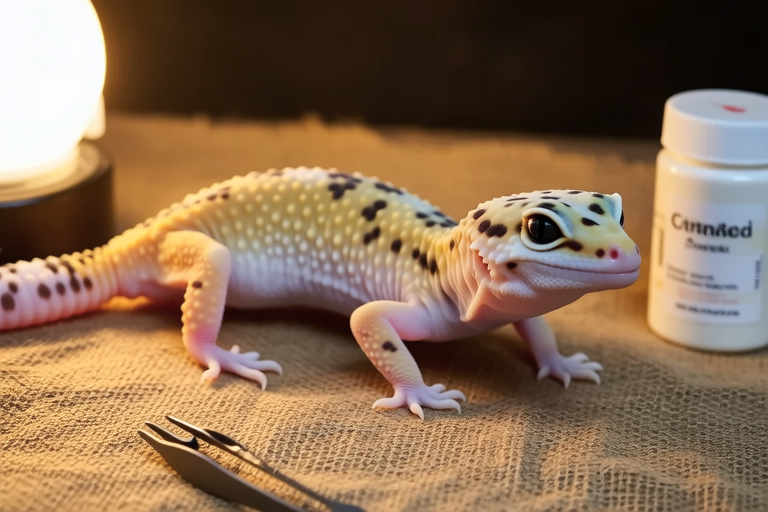
How to Care for Your Leopard Gecko Like a Pro
Welcome to your comprehensive guide on how to care for your leopard gecko like a pro. Whether you’re a first-time owner or an experienced keeper, this article will provide you with essential tips and insights to ensure your gecko lives a long, healthy life. Let’s dive into the details of habitat setup, diet specifics, handling guidelines, health monitoring, and common mistakes to avoid.
Habitat Setup: Creating the Perfect Environment
The first step in caring for your leopard gecko is setting up the right habitat. This includes maintaining appropriate temperature, humidity levels, and choosing the right substrate.
Temperature Control
Your gecko needs a temperature gradient within its enclosure, ranging from a cool side around 75°F to a warm side around 90°F. A heat lamp or under-tank heater can help maintain these temperatures. It’s crucial to monitor the temperature with a digital thermometer to ensure your gecko has access to both warmth and cooler areas.
Humidity Levels
Leopard geckos require a moderate level of humidity, ideally between 30% and 40%. Excessive moisture can lead to respiratory issues and skin infections, so it’s important to avoid over-humidifying their environment. Using a hygrometer can help you monitor and maintain the correct humidity levels.
Substrate Selection
Selecting the right substrate is vital. Avoid substrates that could be ingested and cause impaction, such as sand or small gravel. Opt for safer alternatives like reptile carpet, paper towels, or tile. These materials are easy to clean and less likely to cause health issues.
Diet Specifics: Feeding Your Leopard Gecko Properly
Proper nutrition is key to keeping your gecko healthy and active. Leopard geckos are insectivores, meaning their diet consists primarily of insects.
Types of Insects
Offer a variety of insects, including crickets, dubia roaches, and waxworms. Each insect type provides different nutrients, ensuring a balanced diet. It’s important to gut-load insects before feeding them to your gecko. Gut-loading involves feeding the insects nutritious foods to enhance their nutritional value.
Supplements
To prevent deficiencies, dust the insects with calcium and multivitamin supplements. Offer these supplements at least once a week, adjusting based on your gecko’s age and activity level. Always consult with a veterinarian if you’re unsure about supplementation.
Feeding Frequency
Young geckos need to eat daily, while adults can be fed every other day. Monitor your gecko’s body condition; if it appears thin, increase the frequency of feedings. Conversely, if it becomes overweight, reduce the amount offered.
Handling Guidelines: Ensuring Safe Interaction
Handling your leopard gecko properly is essential for both its safety and your enjoyment. Leopard geckos are generally docile and can become quite tame with regular, gentle handling.
Frequency of Handling
Start by handling your gecko for short periods, gradually increasing the time as it becomes more comfortable. Aim for 5-10 minutes per session, 2-3 times a week. Over-handling can stress your gecko, so always be mindful of its comfort.
Techniques
Pick up your gecko gently by supporting its entire body, avoiding the tail. Never grab or squeeze the tail, as it can detach as a defense mechanism. Once picked up, hold the gecko close to your body to make it feel secure.
Safety Precautions
Wash your hands before and after handling to prevent the spread of germs. Keep interactions calm and quiet to avoid stressing your gecko. If your gecko shows signs of distress, such as rapid movement or hissing, it’s best to stop handling immediately.
Health Monitoring: Keeping Your Gecko in Top Shape
Regular health checks are crucial for early detection of any potential issues. Familiarize yourself with your gecko’s normal behavior and appearance so you can quickly spot any changes.
Signs of Good Health
A healthy gecko will have clear eyes, smooth skin, and a good appetite. Its weight should be consistent, and it should move freely within its enclosure. Regularly check for any unusual lumps, bumps, or discoloration on the skin.
Veterinary Visits
Annual check-ups with a reptile-savvy veterinarian are recommended. They can perform a thorough examination and discuss any concerns you might have. Additionally, they can recommend vaccinations and preventive treatments.
Common Health Issues
Metabolic bone disease (MBD) and respiratory infections are two common issues. MBD is caused by calcium and vitamin D3 deficiencies, leading to weakened bones. Respiratory infections often result from improper humidity levels. Early detection and treatment are critical for recovery.
Common Mistakes to Avoid
Even experienced owners can make mistakes when caring for their leopard geckos. Here are some common errors to watch out for:
Inadequate Temperature and Humidity
Maintaining the correct temperature and humidity is vital. Failing to do so can lead to health problems. Invest in reliable thermometers and hygrometers, and adjust the environment as needed.
Improper Diet
An unbalanced diet can cause nutritional deficiencies. Always offer a variety of insects and supplement them adequately. Over-supplementation can also be harmful, so follow the manufacturer’s guidelines carefully.
Lack of Hygiene
Failing to keep the enclosure clean can lead to bacterial and fungal growth, which can harm your gecko. Clean the enclosure regularly, replacing substrate and disinfecting surfaces as necessary.
Overhandling
While interaction is important, overhandling can stress your gecko. Respect its boundaries and limit handling sessions to short, gentle encounters.
Continuous Learning and Research
Caring for a leopard gecko is an ongoing process of learning and adaptation. Stay informed about the latest advancements in reptile care by reading books, attending workshops, and joining online forums. The more you know, the better equipped you’ll be to provide optimal care for your gecko.
Remember, each gecko is unique, and what works for one may not work for another. Be patient and observant, adjusting your care routine as needed to meet your gecko’s specific requirements.
By following the advice provided in this guide, you’ll be well on your way to becoming a pro at caring for your leopard gecko. Enjoy the rewarding experience of owning such a fascinating and delightful pet!
