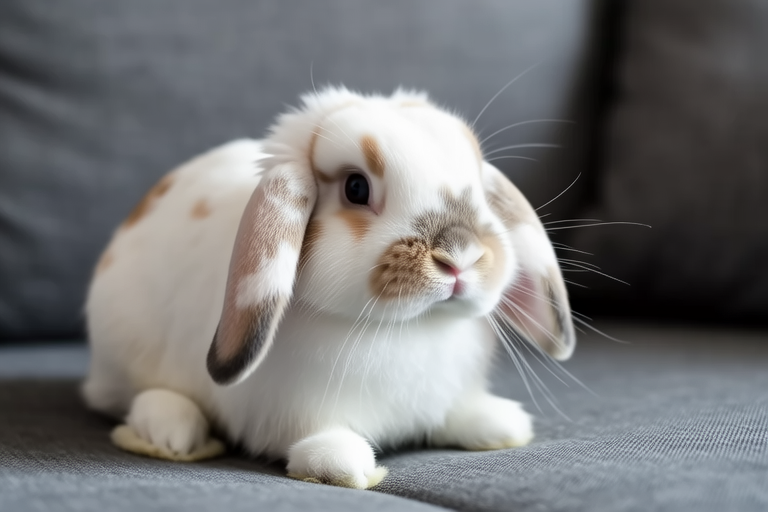
The Ultimate Lop Rabbit Care Manual for First-Time Owners
Choosing the Right Lop Rabbit Breed
Welcome to the world of lop rabbits! These adorable creatures come in various breeds, each with unique characteristics. Before bringing one home, it’s crucial to choose the right breed that suits your lifestyle and living space. Popular lop breeds include the French Lop, English Lop, and Holland Lop.
The French Lop is known for its robust size and calm demeanor, making it an excellent choice for families with children. The English Lop is larger and more laid-back, ideal for those who can provide ample space. The Holland Lop, being smaller and more playful, is perfect for apartment dwellers or first-time owners.
Setting Up Their Living Environment
A comfortable and safe living environment is essential for your lop rabbit’s well-being. Provide a spacious hutch or cage with plenty of room for movement. Line the bottom with absorbent bedding like straw or hay. Ensure there’s adequate ventilation and protection from extreme weather conditions.
Inside the hutch, include a cozy sleeping area with a nest box lined with soft towels or blankets. Add tunnels, toys, and chewable items to keep them entertained. Place the hutch in a quiet spot away from direct sunlight and drafts. Regularly clean the living space to maintain hygiene.
Proper Nutrition and Feeding Schedules
Nutrition plays a vital role in maintaining your lop rabbit’s health. A balanced diet consists of hay, fresh vegetables, pellets, and occasional fruits. Timothy hay is recommended for most adult rabbits, while alfalfa hay is suitable for younger rabbits or those recovering from illness.
Provide unlimited access to fresh water, changing it daily. Feed high-quality pellets formulated for rabbits, avoiding mixes with seeds or nuts. Offer a variety of fresh vegetables such as carrots, spinach, and broccoli daily, but limit them to avoid digestive issues. Treats like fruits should be given sparingly as they are high in sugar.
Establish a consistent feeding schedule to help regulate digestion. Feed your rabbit twice daily, once in the morning and once in the evening. Adjust portion sizes based on your rabbit’s age, weight, and activity level.
Grooming Tips
Grooming is necessary to keep your lop rabbit looking and feeling great. Regular brushing helps remove loose fur and prevent matting. Use a soft-bristled brush or comb to gently brush their coat several times a week. Pay special attention to areas prone to matting, such as behind the ears and under the chin.
Bathe your rabbit only when absolutely necessary, as frequent bathing can strip their skin of natural oils. If bathing is required, use a mild, unscented shampoo specifically designed for rabbits. Trim their nails every few weeks to prevent overgrowth and discomfort. Consult a professional groomer if you’re unsure about nail trimming.
Exercise Needs
Lop rabbits require regular exercise to stay healthy and happy. Allow them supervised playtime outside their hutch for at least an hour each day. Create a safe play area by removing any potential hazards like electrical cords or toxic plants.
Introduce toys and activities to stimulate their minds and bodies. Consider tunnels, chew toys, and balls. Rotate toys periodically to keep things interesting. Encourage gentle play with children to promote bonding and socialization.
Health Care Basics
Regular check-ups with a veterinarian familiar with rabbits are essential for maintaining your lop rabbit’s health. Schedule annual wellness exams, vaccinations, and dental checks. Monitor your rabbit’s behavior, appetite, and litter box habits for signs of illness.
Common health issues include dental problems, gastrointestinal stasis, and respiratory infections. Watch for symptoms such as drooling, decreased appetite, lethargy, or discharge from the eyes or nose. Address any concerns promptly by consulting a veterinarian.
Common Behavioral Issues
Understanding and addressing behavioral issues early can enhance your bond with your lop rabbit. Common issues include chewing furniture, inappropriate elimination, and aggression. Redirect chewing behavior by providing appropriate chew toys. Spaying or neutering can help reduce unwanted behaviors.
Consistency in training and positive reinforcement techniques are key to shaping desired behaviors. Praise your rabbit when they exhibit good behavior and ignore or redirect them when they misbehave. Seek guidance from a professional trainer if needed.
Advice on Bonding with Your Pet
Bonding with your lop rabbit takes time and patience. Spend quality time together daily to build trust and strengthen your relationship. Gently pet and handle your rabbit regularly, allowing them to become comfortable with physical contact.
Play interactive games and engage in activities that both of you enjoy. Speak softly and calmly around your rabbit to create a peaceful atmosphere. Observe your rabbit’s body language and respond accordingly. With dedication and love, you’ll form a deep and meaningful connection with your furry friend.
By following this comprehensive guide, you’ll be well-equipped to provide the best care for your lop rabbit. Remember, each rabbit is unique, so adapt these guidelines to suit your pet’s individual needs. Enjoy the rewarding experience of sharing your life with a lop rabbit!
