Adorable and Agile: Everything You Need to Know About Dutch Dwarf Rabbits
Dutch Dwarf rabbits have captured the hearts of many pet enthusiasts with their charming appearance and friendly nature. These small, compact rabbits are not only adorable but also agile, making them a popular choice among both novice and experienced rabbit owners. Known for their distinct color patterns and gentle demeanor, Dutch Dwarfs are a delightful addition to any household.
Introduction
The Dutch Dwarf rabbit, a descendant of the Dutch rabbit breed, is one of the smallest domestic rabbit breeds. Their popularity has soared due to their manageable size, easy care, and friendly disposition. This article aims to provide you with all the information you need to know about these adorable creatures, from their appearance and diet to their health and care requirements.
Appearance
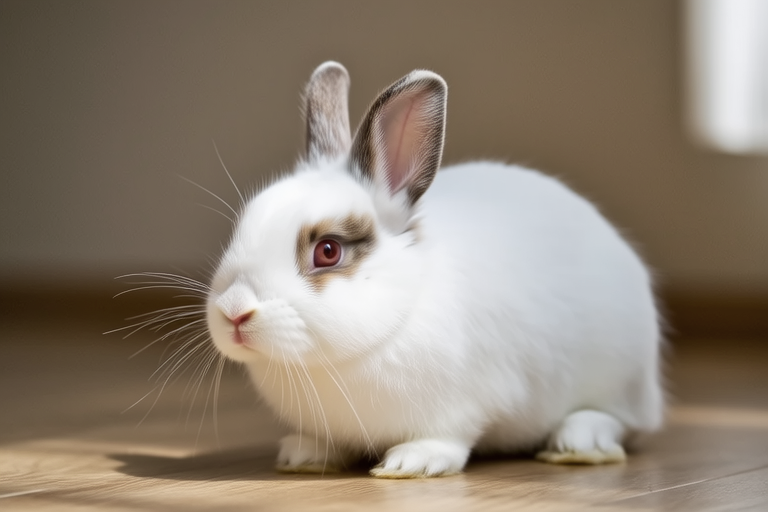
Dutch Dwarfs are known for their distinctive white blaze that runs from their nose to the back of their head, often referred to as a ‘butterfly marking.’ Their bodies are compact and sturdy, with a broad chest and well-rounded hindquarters. They typically weigh between 2.5 to 3.5 pounds and reach a length of about 12 inches. The breed comes in a variety of colors, including black, blue, chocolate, and lilac, each adding to their charm.
Temperament
Besides their attractive appearance, Dutch Dwarfs are highly social and enjoy human interaction. They are generally calm and docile, making them perfect companions for families with children. However, like any pet, they require proper handling and respect. Early socialization is key to ensuring your Dutch Dwarf remains comfortable around people and other pets. They can be trained to use a litter box, which makes them ideal for apartment living.
Dietary Needs
A balanced diet is crucial for maintaining the health of your Dutch Dwarf rabbit. Their diet should primarily consist of hay, which aids in digestion and dental health. Fresh vegetables, such as carrots, spinach, and kale, should be offered daily, while fruits should be given sparingly due to their high sugar content. Pellets formulated for dwarf rabbits should make up a small portion of their diet, ensuring they receive essential nutrients. Always provide fresh water, changing it regularly to prevent bacterial growth.
Exercise Requirements
Despite their small size, Dutch Dwarfs need regular exercise to stay healthy and active. A spacious cage or hutch is essential, allowing them room to move around. Additionally, providing toys and tunnels can stimulate their natural curiosity and keep them entertained. Daily playtime outside of their enclosure is recommended, but ensure the area is secure and free from hazards. Supervised outdoor time in a safe, enclosed space can also benefit their physical and mental well-being.
Grooming Tips
Grooming is an important aspect of caring for your Dutch Dwarf rabbit. Regular brushing helps remove loose fur and prevents matting, especially during shedding seasons. Use a soft-bristled brush to gently comb through their coat. Bathing should be avoided unless absolutely necessary, as it can stress the rabbit and disrupt their natural oils. Instead, spot cleaning with a damp cloth is sufficient. Trimming their nails every few weeks is also essential to prevent overgrowth and discomfort.
Common Health Issues
Like all pets, Dutch Dwarfs are susceptible to certain health issues. Dental problems are common, particularly if their diet lacks proper roughage. Regular check-ups with a veterinarian specializing in rabbits can help catch and address these issues early. Gastrointestinal stasis, where the digestive system slows down or stops, can be life-threatening if not treated promptly. Providing a fiber-rich diet and plenty of exercise can reduce the risk of this condition. Other potential health concerns include respiratory infections and skin conditions, which can be managed with proper care and hygiene.
Advice for Potential Owners
Before bringing a Dutch Dwarf rabbit into your home, consider the commitment involved in caring for them. Research reputable breeders or shelters to find a healthy and well-socialized rabbit. Prepare a suitable living environment, complete with a spacious cage, bedding, and toys. Educate yourself on rabbit behavior and signs of distress to ensure you can provide the best possible care. Joining local rabbit clubs or online communities can offer valuable support and resources for new owners.
Benefits of Choosing a Dutch Dwarf Rabbit as a Pet
Choosing a Dutch Dwarf rabbit as a pet offers numerous advantages. Their small size makes them ideal for apartment living, requiring less space than larger breeds. Their gentle nature and adaptability make them excellent companions for families and individuals alike. Dutch Dwarfs thrive on human interaction and can form strong bonds with their owners, providing loyal and affectionate companionship. With proper care, these rabbits can live up to ten years, offering long-term companionship and joy.
In conclusion, Dutch Dwarf rabbits are charming, affectionate, and low-maintenance pets. Their unique appearance, combined with their friendly and sociable nature, makes them a wonderful addition to any household. By understanding their specific needs and providing appropriate care, you can ensure a happy and healthy life for your Dutch Dwarf rabbit. Whether you’re a first-time pet owner or an experienced animal lover, these delightful creatures are sure to bring endless joy and companionship to your home.
