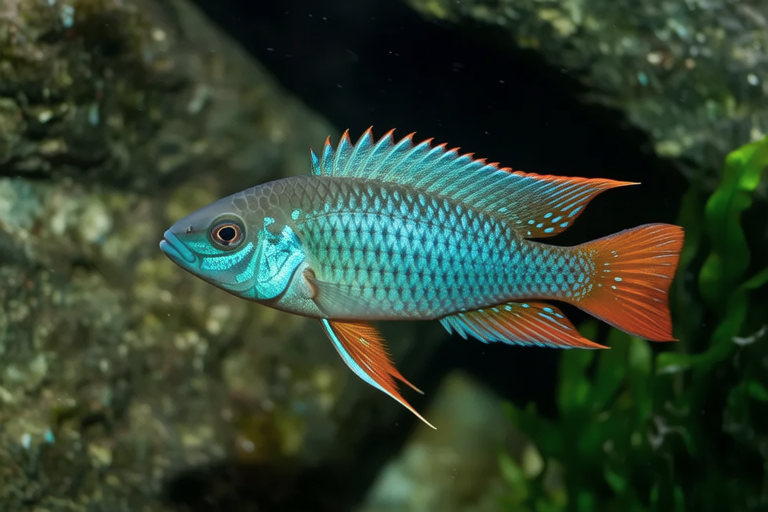
Behind the Scenes: What It Takes to Raise a Rajah Cichlid
The vibrant and striking Rajah Cichlid, also known as Aequidens rivulatus, is a captivating addition to any aquarium. This Central American cichlid is admired for its beautiful coloration and intriguing behavior. However, raising Rajah Cichlids requires dedication and knowledge about their specific needs. This article delves into the ideal tank setup, water conditions, diet, breeding habits, and common health issues, providing valuable insights for both novice and seasoned aquarists.
Understanding the Rajah Cichlid
Rajah Cichlids are native to the Rio Orinoco Basin in South America. They are characterized by their distinct markings, including vertical stripes that change in intensity depending on their mood or health. Males often display brighter colors than females, making them visually appealing additions to your aquarium.
Creating the Perfect Habitat
Tank Size and Setup
Rajah Cichlids need ample space to thrive. A minimum tank size of 75 gallons (300 liters) is recommended for a single pair. Larger tanks provide more swimming room and reduce stress, which can lead to better overall health.
In terms of setup, include plenty of hiding spots such as caves, driftwood, and plants. These fish are territorial and may become aggressive if they feel threatened or overcrowded. Rocks and caves help establish territories within the tank, reducing conflicts between individuals.
Water Parameters
Maintaining optimal water conditions is crucial for the well-being of Rajah Cichlids. The pH level should be kept between 6.5 and 7.5, with hardness ranging from 5 to 15 dGH. Regular monitoring and adjustment of these parameters are essential to ensure a stable environment.
Temperature should be maintained at around 78-82°F (25-28°C). Use a reliable heater and thermometer to keep the temperature consistent throughout the day.
Dietary Requirements
Rajah Cichlids are omnivorous and require a balanced diet to maintain their health and vibrant coloration. Offer a variety of foods, including high-quality pellets, flakes, frozen bloodworms, brine shrimp, and algae wafers. Supplement their diet with occasional treats like freeze-dried krill or earthworms.
Feed your Rajah Cichlids two to three times daily, offering only what they can consume in a few minutes to prevent overfeeding and water pollution.
Breeding Rajah Cichlids
When breeding Rajah Cichlids, it’s important to understand their natural spawning behavior. Choose a mature male and female pair and prepare a separate breeding tank with a sandy substrate and plenty of hiding places. Once the pair has bonded, they will select a suitable spot to lay their eggs.
Females typically lay between 200 and 400 eggs, which the male fertilizes. Both parents guard the eggs until they hatch, usually after 3 to 4 days. After hatching, the fry remain attached to the substrate for several days before becoming free-swimming. At this point, you can start feeding them infusoria or finely crushed flake food.
Common Health Issues
Like all fish, Rajah Cichlids are susceptible to various health problems. Some common issues include Ich, fin rot, and swim bladder disorders. Early detection and treatment are key to preventing these conditions from worsening.
To minimize the risk of disease, maintain pristine water quality through regular water changes and proper filtration. Quarantine new additions to the tank for at least two weeks before introducing them to the main aquarium.
Maintaining a Healthy Environment
Consistent maintenance is vital for the longevity of your Rajah Cichlids. Perform weekly water changes of about 20% to remove waste products and replenish beneficial bacteria. Use a high-quality filter that provides mechanical, biological, and chemical filtration to keep the water clean and clear.
Monitor your fish regularly for signs of stress or illness, such as lethargy, loss of appetite, or abnormal swimming patterns. Address any issues promptly to prevent them from spreading to other inhabitants.
Tips for Beginners
If you’re new to keeping Rajah Cichlids, start by researching extensively about their care requirements. Join online forums or local aquarium clubs to connect with experienced hobbyists who can offer guidance and support.
Invest in quality equipment from the beginning, including a reliable heater, filter, and test kits. This will save you money in the long run and ensure your fish have the best possible living conditions.
Conclusion
Raising Rajah Cichlids is a rewarding experience for those willing to commit to their unique needs. By understanding their specific requirements regarding tank setup, water conditions, diet, breeding habits, and common health issues, you can create a thriving environment that promotes their well-being. With patience and dedication, you’ll enjoy watching these fascinating fish grow and flourish in your home aquarium.
