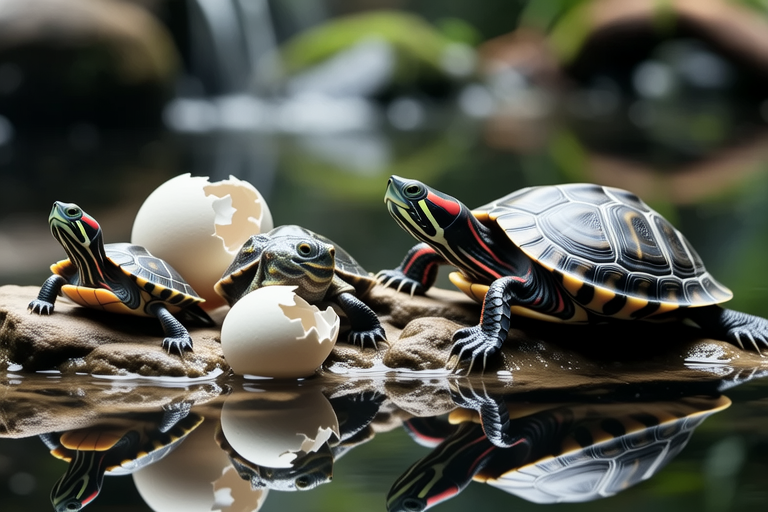
The Complete Guide to Red-Eared Slider Life Cycle
Red-eared sliders (Trachemys scripta elegans) are among the most popular pet turtles globally. Their adaptability, relatively low maintenance, and captivating appearance have made them a favorite for many turtle enthusiasts. This comprehensive guide will walk you through every stage of a red-eared slider’s life, from its origins in an egg to adulthood.
Incubation Period: From Egg to Hatchling
The journey of a red-eared slider begins with an egg laid by a female turtle. Female red-eared sliders typically lay clutches of around 6 to 30 eggs during spring or summer. These eggs require specific environmental conditions to develop properly.
Optimal temperature for incubation ranges between 82°F and 86°F (28°C to 30°C). The incubation period usually lasts about 60 to 90 days, depending on factors like humidity and temperature. Higher temperatures can lead to faster development but may also increase the risk of deformities.
During this time, it’s crucial to maintain consistent humidity levels, which should be kept between 70% and 90%. Proper ventilation is also essential to prevent mold growth.
Hatching Process: A New Beginning
Once the incubation period ends, tiny hatchlings emerge from their eggs. These newborns are approximately 1 inch long and weigh less than an ounce. They possess a small, white yolk sac attached to their bellies, which provides them with nutrients until they learn to eat.
Newly hatched red-eared sliders are incredibly vulnerable. They need a safe, shallow water environment where they can easily reach the surface for air. Water depth should not exceed 2 inches to prevent drowning.
The hatchlings must be carefully monitored for several weeks as they transition from relying on their yolk sacs to feeding independently. Providing a variety of food options such as commercial turtle pellets, finely chopped leafy greens, and small pieces of fish can help ensure proper nutrition.
Early Life Challenges: Surviving the First Few Months
The first few months of a red-eared slider’s life are critical. Hatchlings face numerous challenges, including predation, disease, and competition for resources. To thrive, they need optimal living conditions.
Proper housing is vital during this stage. A glass tank or aquarium equipped with a secure lid is recommended. The tank should be large enough to allow swimming space and include a basking area with a heat lamp set at 90°F to 95°F (32°C to 35°C). UVB lighting is also necessary for calcium absorption and overall health.
Dietary needs change as hatchlings grow. They require a balanced diet rich in protein, vitamins, and minerals. Commercial turtle pellets designed for young turtles are ideal. Supplementing their diet with fresh vegetables and occasional live prey items like crickets or earthworms can provide additional nutrients.
Maintaining clean water and regular water changes are essential to prevent bacterial infections and other health issues. A filtration system can help keep the water clean, but it should not be too strong to disrupt the delicate balance of the aquatic environment.
Growth Stages: Development into Adulthood
As red-eared sliders grow, they go through distinct developmental stages marked by physical changes and increased independence. Juvenile red-eared sliders typically reach sexual maturity between 4 to 10 years of age, depending on factors like genetics and environmental conditions.
During the juvenile phase, growth rates vary based on diet and living conditions. Regular monitoring of shell condition and weight gain helps ensure healthy development. By the time they reach adulthood, red-eared sliders can grow up to 12 inches in length and live for more than 30 years.
Adult red-eared sliders exhibit more robust shells and larger bodies compared to juveniles. Their dietary needs also shift towards a more plant-based diet, with occasional supplementation of animal proteins. Offering a diverse range of foods ensures nutritional balance.
Dietary Needs Throughout Different Phases
Understanding the dietary requirements at each life stage is crucial for maintaining your red-eared slider’s health. Hatchlings and juveniles benefit from high-protein diets to support rapid growth. As they mature, their diet should gradually shift towards a more herbivorous composition.
Commercial turtle pellets formulated for various life stages provide a convenient source of nutrition. Additionally, offering fresh vegetables like romaine lettuce, kale, and collard greens promotes overall health. Occasional treats of fruits such as strawberries or blueberries can add variety to their diet.
For adult red-eared sliders, a balanced diet consisting of leafy greens, vegetables, and occasional protein sources like earthworms or freeze-dried shrimp supports longevity and vitality. Ensuring adequate calcium intake through supplements or UVB lighting is essential for bone health.
Habitat Requirements: Creating a Comfortable Home
Providing an appropriate habitat is fundamental for the well-being of red-eared sliders. The enclosure should mimic their natural environment as closely as possible, allowing for swimming, basking, and hiding.
Adequate space is essential; adult red-eared sliders require at least 40 gallons of water per turtle. The water should be filtered and changed regularly to maintain cleanliness. Adding rocks or logs creates climbing opportunities and enhances enrichment.
Basking areas are crucial for thermoregulation and digestion. Use a sturdy platform placed slightly above water level to prevent accidental submersion. Heat lamps should emit temperatures between 90°F and 95°F (32°C to 35°C), while ambient water temperatures should remain stable within the range of 75°F to 80°F (24°C to 27°C).
UVB lighting is necessary for vitamin D synthesis and calcium absorption. Install full-spectrum UVB bulbs that extend over the basking area for 10 to 12 hours daily. Regular cleaning schedules help maintain hygiene and prevent disease outbreaks.
Common Health Issues and Prevention Tips
Despite being hardy creatures, red-eared sliders can encounter various health problems if not cared for properly. Metabolic bone disease (MBD), shell rot, respiratory infections, and parasites are some common ailments.
Preventing these issues starts with creating a healthy environment. Maintaining clean water, ensuring proper nutrition, and providing adequate lighting are key preventive measures. Regular veterinary check-ups help detect potential problems early.
If you notice signs of illness, such as lethargy, loss of appetite, swollen eyes, or unusual behavior, consult a veterinarian specializing in reptiles immediately. Early intervention improves recovery chances significantly.
Tips for Responsible Ownership
Owning a red-eared slider comes with significant responsibilities. Before bringing one home, consider the long-term commitment involved. Research thoroughly and prepare adequately to meet their needs.
Education plays a vital role in responsible pet ownership. Familiarize yourself with local regulations regarding keeping exotic animals. Many regions have restrictions on keeping certain species due to concerns about invasive species.
Supporting conservation efforts is another aspect of responsible ownership. Avoid purchasing wild-caught specimens and instead opt for captive-bred individuals from reputable breeders. Participating in community programs aimed at protecting native habitats benefits both wildlife and ecosystems.
Conclusion: Celebrating the Fascination of Red-Eared Sliders
Red-eared sliders captivate us with their unique characteristics and enduring charm. From humble beginnings in an egg to becoming robust adults, each stage of their life cycle offers fascinating insights into their biology and behavior.
By understanding and meeting their needs, we can provide them with fulfilling lives. Whether you’re a novice or experienced reptile owner, caring for a red-eared slider enriches your experience and deepens your connection with nature.
Let’s celebrate these remarkable creatures by promoting responsible ownership and contributing positively to their conservation. Together, we can ensure that future generations continue to enjoy the wonder of red-eared sliders.
