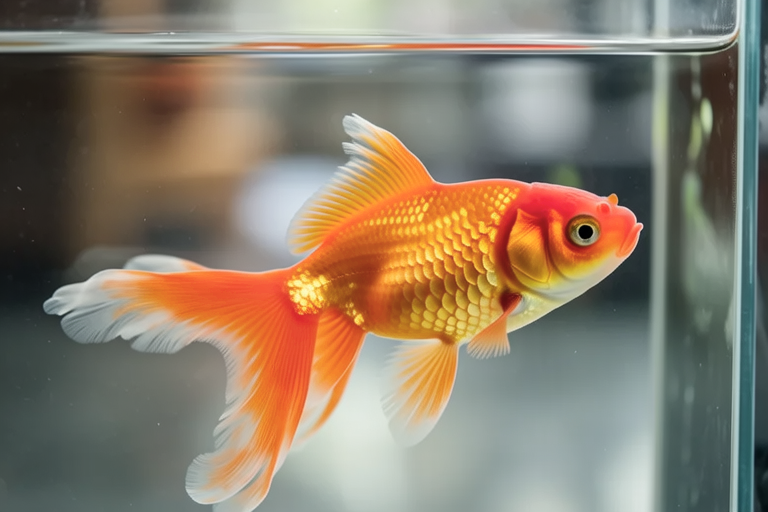
Goldfish Lifespan: Myths vs. Reality
The lifespan of goldfish is often misunderstood, leading to numerous misconceptions about these popular aquatic pets. Many believe that goldfish live only a few years, but the truth is far more complex. Factors such as water quality, diet, tank size, and veterinary care significantly influence the longevity of goldfish both in captivity and in their natural habitat.
Myth: Goldfish Only Live a Few Years
One of the most prevalent myths about goldfish is that they have a very short lifespan, typically lasting only a couple of years. This misconception likely stems from the fact that many goldfish in pet stores are sold in small tanks or bowls, which are not suitable environments for long-term health. In reality, goldfish can live much longer under proper care and conditions.
Factual Lifespan of Goldfish
Goldfish can live up to 20 years or more when provided with optimal care. In their natural habitat, goldfish can live even longer due to less stress and fewer environmental challenges compared to captivity. However, the average lifespan of a goldfish in captivity ranges between 10 to 15 years, depending on various factors.
Factors Affecting Goldfish Longevity
Water Quality
Water quality is one of the most critical factors influencing the lifespan of goldfish. Poor water quality can lead to stress, illness, and shortened lifespans. Goldfish produce a significant amount of waste, and if not properly managed, this can lead to harmful ammonia and nitrite levels in the water. Regular water changes and maintaining proper filtration systems are essential to ensure clean, healthy water.
Diet
A balanced and nutritious diet is crucial for the health and longevity of goldfish. Overfeeding can cause digestive issues and obesity, while underfeeding can lead to malnutrition. Goldfish should be fed high-quality fish food designed specifically for them, supplemented with occasional treats like vegetables or frozen bloodworms. Feeding should be done in moderation, usually once or twice daily, and any uneaten food should be removed promptly to prevent contamination.
Tank Size
The size of the tank plays a vital role in the wellbeing of goldfish. Small tanks or bowls can restrict movement, leading to stress and health problems. Goldfish require ample space to swim freely and explore their environment. For a single goldfish, a minimum tank size of 20 gallons is recommended, and additional 10 gallons should be added for each additional fish. Larger tanks also help maintain better water quality by diluting waste products.
Veterinary Care
Regular veterinary check-ups and prompt treatment of any health issues are essential for extending the lifespan of goldfish. Common health problems include fin rot, ich (white spot disease), and swim bladder disorders. Early detection and intervention can prevent minor issues from becoming severe and potentially life-threatening. Consultation with a veterinarian specializing in aquatic animals can provide valuable guidance on maintaining your goldfish’s health.
Real-Life Cases of Long-Lived Goldfish
There are several documented cases of goldfish living well beyond the typical lifespan. One famous example is Tish, a goldfish owned by John Harris, who lived for 43 years. Another notable case is Goldie, a goldfish that lived for 41 years in the United Kingdom. These instances highlight the potential for goldfish to reach advanced ages when provided with appropriate care.
Scientific Insights and Expert Opinions
According to Dr. Chris Andrews, a renowned aquatic veterinarian, “Many people underestimate the potential lifespan of goldfish due to lack of knowledge about proper care. When given the right environment and attention, goldfish can thrive for decades.” Experts agree that addressing common myths and providing accurate information can greatly enhance the lives of these beloved pets.
Tips for Goldfish Owners to Promote Longevity
Maintain Proper Water Parameters
Ensure that your goldfish’s water has the correct pH level, temperature, and hardness. Use test kits to monitor these parameters regularly and make adjustments as necessary. Aim for a pH range of 6.8 to 7.6, a temperature between 68°F and 74°F, and a hardness level of 5 to 19 dGH.
Provide Adequate Space
Invest in an appropriately sized tank that allows your goldfish sufficient room to swim and grow. Avoid overcrowding by limiting the number of fish based on the tank’s capacity. As a general rule, each inch of adult goldfish requires at least one gallon of water.
Feed a Balanced Diet
Offer your goldfish a varied diet consisting of high-quality pellets, flakes, and occasional treats. Limit the amount of food given during each feeding session to avoid overfeeding, which can lead to health issues. Monitor your fish’s eating habits and adjust the quantity accordingly.
Monitor Health Closely
Keep a close eye on your goldfish’s behavior and appearance for signs of illness. Early detection of symptoms such as lethargy, loss of appetite, or physical abnormalities can lead to timely intervention and improved outcomes. Establish a routine for regular health checks and consult a veterinarian if you notice any concerning changes.
Conclusion
The notion that goldfish only live a few years is a widespread myth that does not reflect the true potential of these fascinating creatures. With proper care and attention to factors such as water quality, diet, tank size, and veterinary care, goldfish can enjoy long, healthy lives. By understanding the science behind goldfish longevity and following expert advice, you can ensure that your pet goldfish thrives for many years to come.
