The Top 5 Myths About Abyssinian Pets Busted!
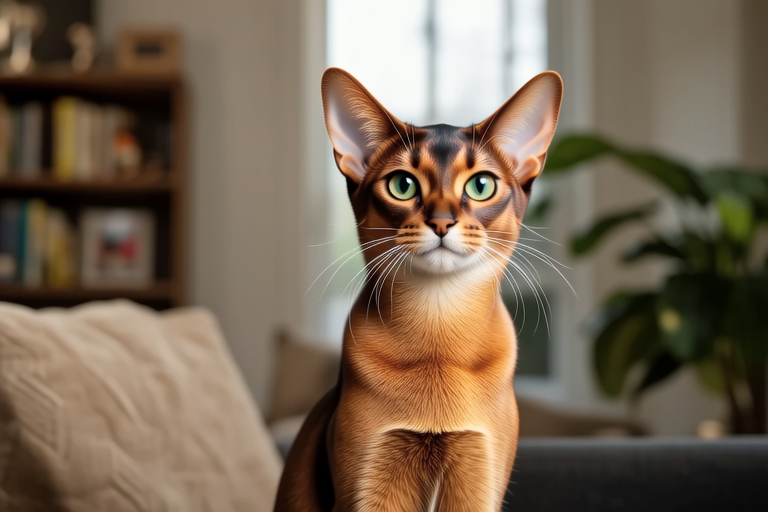
Abyssinian cats have captured the hearts of many pet lovers with their striking appearance and unique personalities. Originating from the coastal regions of the Indian Ocean and the Mediterranean, these felines boast a sleek, ticked coat that resembles the look of agouti fur found in wild rabbits. Their captivating green or gold eyes, combined with their slender yet muscular build, make them stand out among other cat breeds. Abyssinians are known for their playful and intelligent nature, making them an ideal choice for families looking for an interactive and engaging pet. Despite their popularity, there are several myths surrounding Abyssinian pets that need to be addressed. This article aims to debunk five of the most common misconceptions about these fascinating creatures.
Myth 1: Abyssinians Are High-Maintenance Cats
One of the most prevalent myths about Abyssinian cats is that they require constant attention and care. Many people believe that because Abyssinians are so active and intelligent, they need to be entertained all the time. However, this couldn’t be further from the truth. While Abyssinians do enjoy playing and interacting with their owners, they are also quite independent and can amuse themselves when necessary.
Evidence suggests that Abyssinians are adaptable and can thrive in various living situations. They are naturally curious and will explore their environment, keeping themselves occupied. Providing them with toys and scratching posts can help satisfy their need for mental and physical stimulation. Additionally, Abyssinians are generally healthy and don’t suffer from many genetic disorders, which means they don’t require extensive medical care. With proper nutrition, regular veterinary check-ups, and a clean living space, owning an Abyssinian cat can be a rewarding experience without excessive maintenance.
Myth 2: Abyssinians Are Aggressive Toward Strangers
Another misconception about Abyssinians is that they are aggressive toward strangers or unfamiliar animals. This stereotype likely arises from their independent and sometimes aloof behavior around new people. However, Abyssinians are not inherently aggressive; rather, they are selective about who they bond with.
Studies have shown that Abyssinians tend to form strong bonds with their primary caregivers and may take some time to warm up to new individuals. This cautious approach does not equate to aggression but rather a natural protective instinct. Once they feel comfortable and secure in their environment, Abyssinians can become affectionate and welcoming. It’s important to introduce them gradually to new people and animals to help them adjust. With patience and positive reinforcement, Abyssinians can become friendly and sociable companions.
Myth 3: Abyssinians Cannot Be Trained
Some people believe that Abyssinians cannot be trained due to their independent nature. While it’s true that Abyssinians are highly intelligent and may not respond to training methods used for less intelligent breeds, this doesn’t mean they can’t be trained at all. On the contrary, Abyssinians are capable of learning various tricks and commands with the right approach.
Research indicates that positive reinforcement techniques, such as clicker training, work well with Abyssinians. By offering treats and praise for desired behaviors, owners can effectively train their cats. Abyssinians enjoy problem-solving and can learn to perform tasks like fetching toys or walking on a leash. Training not only strengthens the bond between owner and pet but also provides mental stimulation, which is essential for their well-being. Patience and consistency are key when training an Abyssinian, but with effort, the results can be rewarding.
Myth 4: Abyssinians Require Special Diets
There is a widespread belief that Abyssinians need special diets to maintain their health and vitality. While it’s true that every cat has different nutritional needs, Abyssinians do not require a unique diet beyond what is recommended for most cats. Like any other cat, they need a balanced diet rich in proteins, fats, vitamins, and minerals.
Veterinary studies show that commercial cat foods formulated for adult cats meet the nutritional requirements of Abyssinians. These foods typically contain high-quality protein sources such as chicken, fish, or lamb, along with essential fatty acids, vitamins, and minerals. Owners should consult with a veterinarian to determine the appropriate diet based on their cat’s age, weight, and overall health. Feeding a balanced diet and ensuring fresh water is available at all times is sufficient to keep an Abyssinian healthy and happy.
Myth 5: Abyssinians Are Not Suitable for Families with Children
Finally, one of the most concerning myths about Abyssinians is that they are not suitable for families with children. This belief stems from the perception that Abyssinians are too delicate or too independent to interact positively with children. However, this couldn’t be further from the truth. Abyssinians can be wonderful companions for families, provided the children are respectful and gentle.
Research has demonstrated that Abyssinians adapt well to family life when introduced properly. They enjoy playing and can be quite tolerant of children’s energy levels. Teaching children how to handle cats gently and providing a safe environment for both the cat and the children is crucial. Abyssinians appreciate routine and consistency, so it’s important to establish a stable home environment where they feel secure. With proper guidance and supervision, Abyssinians can thrive in a family setting, becoming cherished members of the household.
Conclusion: The Benefits of Owning an Abyssinian Pet
Owning an Abyssinian cat can be a delightful and enriching experience. These intelligent, playful, and affectionate creatures bring joy and companionship to their human families. By debunking the myths surrounding Abyssinians, we hope to encourage more people to consider adopting one of these magnificent cats.
If you’re considering bringing an Abyssinian into your home, remember to provide them with plenty of mental and physical stimulation through play and interaction. Ensure they have a clean and safe living environment and offer them a nutritious diet. With love and care, an Abyssinian can become a loyal and cherished member of your family. Their unique appearance, combined with their engaging personalities, makes them a truly special addition to any household.
