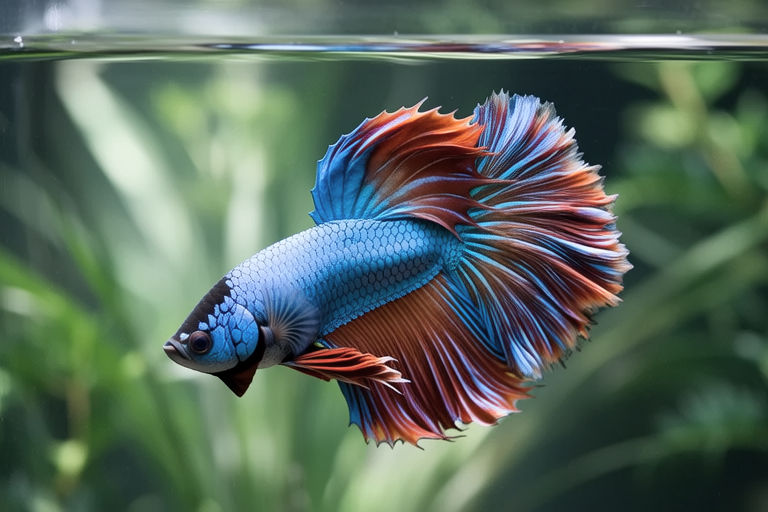
Top 10 Myths About Betta Fish Debunked: What Every Owner Needs to Know
Betta fish, also known as Siamese fighting fish, have long been a favorite among aquarium enthusiasts. Their vibrant colors, graceful fins, and relatively low maintenance requirements make them a popular choice for both novice and experienced aquarists. However, despite their widespread appeal, many misconceptions surround these fascinating creatures. This article aims to debunk ten common myths about betta fish, providing valuable insights into their true nature and care requirements.
Myth 1: Betta Fish Can Live in Small Bowls
Statement of the Myth: Betta fish can thrive in small bowls without proper filtration or water changes.
Explanation: While it’s true that bettas have labyrinth organs that allow them to breathe air from the surface, they still require adequate space and clean water to thrive. A small bowl can lead to poor water quality, stress, and health issues. Experts recommend at least two gallons of water per betta, with regular water changes and filtration systems to maintain optimal conditions.
Myth 2: Male Bettas Will Always Fight Each Other
Statement of the Myth: Male bettas will inevitably fight and kill each other if kept together.
Explanation: Although male bettas are territorial and may display aggressive behavior towards one another, they can coexist peacefully under certain conditions. Providing ample hiding spots, separate territories, and ensuring adequate space can minimize conflict. Female bettas, on the other hand, can live together more harmoniously, though monitoring their interactions is always advisable.
Myth 3: Bettas Don’t Need a Heater
Statement of the Myth: Bettas can survive in room temperature water without a heater.
Explanation: Betta fish originate from tropical regions and prefer water temperatures between 76°F and 82°F (24°C to 28°C). Without a heater, fluctuations in room temperature can cause stress and weaken their immune system, making them susceptible to diseases. A reliable heater ensures stable, comfortable living conditions for your betta.
Myth 4: Bettas Don’t Need a Filter
Statement of the Myth: Bettas don’t need filters because they can manage waste in small tanks.
Explanation: Filters help maintain water quality by removing harmful toxins and excess nutrients. Even in small tanks, a filter is essential for preventing ammonia buildup, which can be lethal to bettas. Choose a gentle filter that doesn’t create strong currents, which might stress your fish.
Myth 5: Bettas Can Survive on Flakes Alone
Statement of the Myth: Bettas can thrive on dry flake food alone.
Explanation: A balanced diet is crucial for bettas’ health and longevity. While flake food can form part of their diet, it should be supplemented with high-protein options like brine shrimp, bloodworms, and pellets designed specifically for bettas. This variety ensures they receive all necessary nutrients, promoting vibrant coloration and overall well-being.
Myth 6: Bettas Prefer Isolation
Statement of the Myth: Bettas are happiest when kept alone.
Explanation: Bettas are social creatures and can benefit from having tank mates, provided they are compatible. Suitable companions include non-aggressive species such as guppies, mollies, and tetras. Introducing tank mates gradually and observing their interactions closely can enhance the betta’s quality of life.
Myth 7: Bettas Can Live in Tap Water
Statement of the Myth: Bettas can thrive in tap water without treatment.
Explanation: Tap water often contains chlorine and chloramines, which are harmful to fish. Before adding water to the tank, it must be treated with a dechlorinator to remove these chemicals. Additionally, maintaining appropriate pH levels (around 6.5 to 7.5) and hardness is crucial for bettas’ health.
Myth 8: Bettas Don’t Need Regular Water Changes
Statement of the Myth: Bettas don’t need frequent water changes.
Explanation: Regular water changes are vital for maintaining water quality and preventing the accumulation of harmful substances. Aim for weekly partial water changes (about 25% of the tank volume) to keep the environment clean and healthy for your betta.
Myth 9: Bettas Can Survive Without a Substrate
Statement of the Myth: Bettas can live happily without any substrate in their tank.
Explanation: While bettas don’t require a substrate, adding one can enhance their habitat by providing natural hiding spots and promoting beneficial bacteria growth. Choose a substrate that suits your tank’s size and filtration system, ensuring it doesn’t pose choking hazards or negatively affect water flow.
Myth 10: Bettas Are Low-Maintenance Pets
Statement of the Myth: Bettas are easy to care for and require minimal attention.
Explanation: While bettas are generally hardy, they still need proper care and attention to thrive. This includes maintaining optimal water parameters, providing a varied diet, and monitoring their health regularly. Investing time in learning about their specific needs ensures a rewarding experience for both you and your pet.
Tips for Responsible Betta Fish Ownership
Ensuring the best possible life for your betta involves understanding their unique care requirements. Here are some key tips:
- Proper Housing: Provide a spacious tank with appropriate filtration and heating. Avoid overcrowding and ensure there’s enough swimming space.
- Dietary Needs: Feed your betta a balanced diet rich in protein. Offer a variety of foods and avoid overfeeding, which can lead to obesity and health problems.
- Water Quality: Maintain clean, stable water conditions through regular water changes and the use of dechlorinated water.
- Social Interaction: Consider introducing compatible tank mates to enhance your betta’s social life. Monitor their interactions carefully to prevent aggression.
- Health Monitoring: Regularly observe your betta for signs of illness or distress. Early detection can prevent serious health issues.
By dispelling these common myths and following these guidelines, you can ensure your betta lives a long, healthy, and happy life. Remember, while bettas are resilient, they still require attentive care to flourish in their aquatic homes.
