How Siberian Huskies Have Captured Hearts Around the Globe
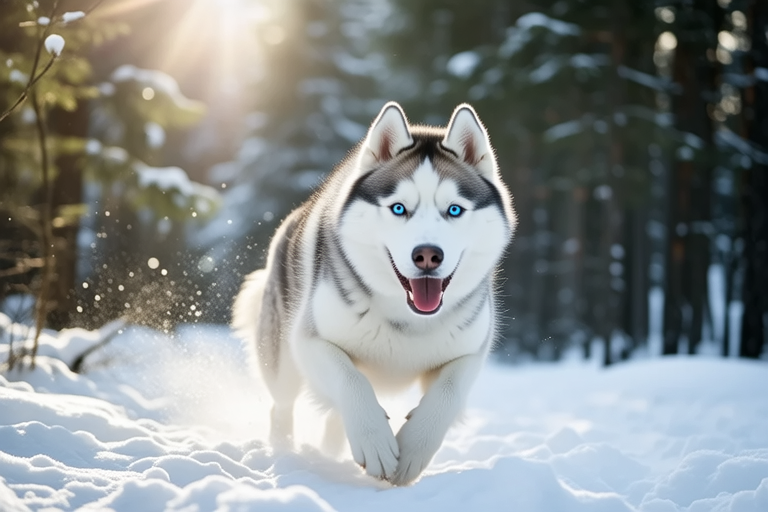
The Siberian Husky, with its striking blue eyes and thick fur coat, has become one of the most recognizable and beloved dog breeds around the world. This article delves into the breed’s origins in Siberia, its initial role in sledding, and how it transitioned into popular pets worldwide. We’ll also explore their physical characteristics, temperament, common health issues, and their significant cultural impact through movies, advertisements, and social media trends.
Origins and Early Role
The Siberian Husky originated from Siberia, where it was bred by the Chukchi people as working dogs for sledding. These dogs were essential for transportation in the harsh, cold environment of Siberia. They were valued for their endurance, speed, and ability to work in extreme weather conditions. The breed was introduced to Alaska during the Nome Gold Rush in the early 20th century. Their racing abilities were showcased in the famous 1925 serum run to Nome, which saved lives during a diphtheria outbreak.
Transition to Popular Pets
As the breed gained recognition for its beauty and intelligence, it became increasingly popular as a pet. Today, Siberian Huskies can be found in households across the globe, cherished for their unique appearance and friendly demeanor. Despite their wild ancestry, these dogs have adapted well to life as companions, bringing joy and companionship to many families.
Physical Characteristics
Siberian Huskies are medium-sized dogs known for their striking appearance. They typically stand between 20 and 24 inches tall at the shoulder and weigh between 35 and 60 pounds. Their double-layered coat, consisting of a soft undercoat and a coarser outer layer, provides excellent insulation against the cold. This coat comes in various colors and patterns, including black and white, gray and white, and copper red and white. One of their most distinctive features is their piercing blue eyes, though brown-eyed or bi-colored eyes are also common.
Temperament
Siberian Huskies are known for their friendly and outgoing nature. They are often described as gentle, playful, and affectionate with their families. However, due to their independent streak, they may not always be the most obedient dogs. Early socialization and training are crucial to ensure they grow up to be well-behaved pets. Their natural instinct to roam can make them prone to escaping if given the opportunity, so owners must provide secure enclosures and keep them on a leash when outside.
Common Health Issues
Like all breeds, Siberian Huskies are susceptible to certain health issues. Some of the more common problems include hip dysplasia, progressive retinal atrophy (PRA), and hypothyroidism. Regular veterinary check-ups and genetic testing can help identify potential health risks early on. Proper nutrition and exercise are also important factors in maintaining their overall health.
Cultural Impact
How Siberian Huskies Have Captured Hearts Around the Globe
The Siberian Husky, with its striking blue eyes and thick fur coat, has become one of the most recognizable and beloved dog breeds around the world. This article delves into the breed’s origins in Siberia, its initial role in sledding, and how it transitioned into popular pets worldwide. We’ll also explore their physical characteristics, temperament, common health issues, and their significant cultural impact through movies, advertisements, and social media trends.
Origins and Early Role
The Siberian Husky originated from Siberia, where it was bred by the Chukchi people as working dogs for sledding. These dogs were essential for transportation in the harsh, cold environment of Siberia. They were valued for their endurance, speed, and ability to work in extreme weather conditions. The breed was introduced to Alaska during the Nome Gold Rush in the early 20th century. Their racing abilities were showcased in the famous 1925 serum run to Nome, which saved lives during a diphtheria outbreak.
Transition to Popular Pets
As the breed gained recognition for its beauty and intelligence, it became increasingly popular as a pet. Today, Siberian Huskies can be found in households across the globe, cherished for their unique appearance and friendly demeanor. Despite their wild ancestry, these dogs have adapted well to life as companions, bringing joy and companionship to many families.
Physical Characteristics
Siberian Huskies are medium-sized dogs known for their striking appearance. They typically stand between 20 and 24 inches tall at the shoulder and weigh between 35 and 60 pounds. Their double-layered coat, consisting of a soft undercoat and a coarser outer layer, provides excellent insulation against the cold. This coat comes in various colors and patterns, including black and white, gray and white, and copper red and white. One of their most distinctive features is their piercing blue eyes, though brown-eyed or bi-colored eyes are also common.
Temperament
Siberian Huskies are known for their friendly and outgoing nature. They are often described as gentle, playful, and affectionate with their families. However, due to their independent streak, they may not always be the most obedient dogs. Early socialization and training are crucial to ensure they grow up to be well-behaved pets. Their natural instinct to roam can make them prone to escaping if given the opportunity, so owners must provide secure enclosures and keep them on a leash when outside.
Common Health Issues
Like all breeds, Siberian Huskies are susceptible to certain health issues. Some of the more common problems include hip dysplasia, progressive retinal atrophy (PRA), and hypothyroidism. Regular veterinary check-ups and genetic testing can help identify potential health risks early on. Proper nutrition and exercise are also important factors in maintaining their overall health.
Cultural Impact
The cultural impact of Siberian Huskies extends far beyond their role as working dogs. They have appeared in numerous films and television shows, capturing the hearts of audiences worldwide. From the animated film Eight Below to the live-action series White Fang, Siberian Huskies have been portrayed as loyal and courageous companions. In advertisements, they are often used to promote outdoor gear and adventure products, leveraging their association with ruggedness and endurance. Social media platforms like Instagram and TikTok are filled with posts featuring these beautiful dogs, contributing to their popularity as pets.
Why Siberian Huskies Are Beloved Globally
There are several reasons why Siberian Huskies have captured hearts around the globe. Firstly, their striking appearance makes them stand out from other breeds. Their unique eye color and thick fur coat create an image that is both captivating and memorable. Secondly, their friendly and playful nature makes them excellent companions for families. Studies have shown that interacting with dogs can reduce stress and improve mental health, making Siberian Huskies ideal therapy animals. Finally, their history as working dogs has contributed to their reputation as hardworking and reliable animals, inspiring admiration and respect.
Anecdotes and Studies on Human-Animal Bond Benefits
One example of the positive impact of Siberian Huskies on human lives comes from a study conducted by the American Heart Association. The study found that owning a dog, particularly a breed like the Siberian Husky, can lower blood pressure and reduce the risk of heart disease. Another anecdote involves a family in Alaska who adopted a Siberian Husky puppy. The puppy quickly became a beloved member of the family, providing comfort and companionship during difficult times. These stories highlight the deep bond that can form between humans and their canine companions.
