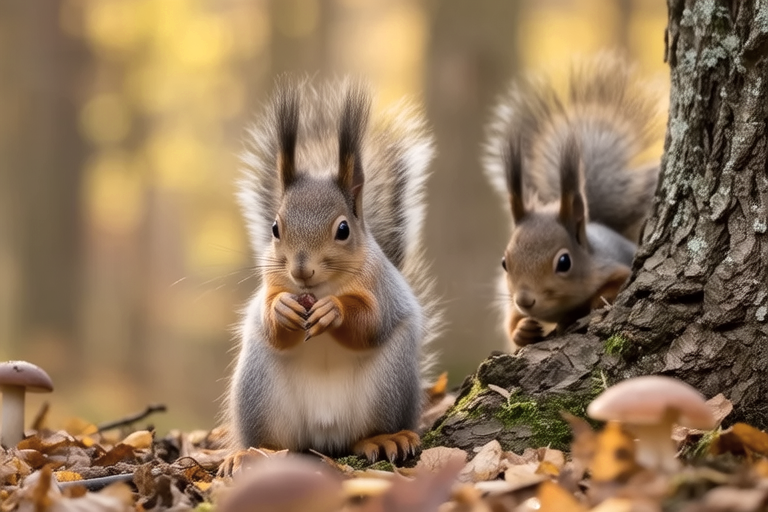
Meet the Secret Gardeners: Why Squirrels Are Nature’s Unsung Heroes
In the bustling world of wildlife, few creatures are as ubiquitous and intriguing as squirrels. These small, agile mammals are often seen scampering up trees or busily gathering nuts, but they play a far more significant role in nature than meets the eye. Squirrels are indeed nature’s unsung heroes, contributing to the ecological balance through their unique behaviors and interactions with their environment. This article delves into the fascinating lives of these secret gardeners, exploring their crucial roles in seed dispersal and tree planting, their habitat preferences, and the broader implications for biodiversity.
The Role of Seed Dispersal
One of the most important contributions that squirrels make to their ecosystems is seed dispersal. As they forage for food, squirrels inadvertently plant seeds across vast areas, helping to regenerate forests and maintain biodiversity. Their habit of hoarding food is particularly beneficial. Squirrels bury nuts and seeds in various locations, often forgetting where they’ve hidden them. When these forgotten caches germinate, new trees sprout, enhancing the landscape.
Scientific studies have shown that squirrels can cover extensive territories in search of food. For example, in North America, gray squirrels have been observed moving acorns from oak trees to locations several kilometers away. This long-distance dispersal is vital for the survival of oak species, which rely heavily on squirrels for reproduction. Without these industrious gardeners, many tree species would struggle to spread and thrive.
Squirrels as Tree Planters
Beyond just dispersing seeds, squirrels also act as tree planters. By digging holes to store their food, they create ideal conditions for seed germination. The disturbed soil around buried seeds becomes enriched with nutrients, increasing the likelihood of successful growth. In some cases, squirrels may even unintentionally plant entire forests. For instance, in areas where human activity has disrupted natural habitats, squirrels have been credited with reforesting barren landscapes.
Consider the anecdote of a forest ranger who noticed an unusually high number of young oak trees growing in a previously deforested area. After some investigation, it was discovered that local squirrels had been responsible for planting these trees by caching acorns in the nutrient-poor soil. This example underscores the critical role squirrels play in restoring damaged ecosystems and promoting sustainable forest regeneration.
Habitat Preferences and Behavior
Squirrels are highly adaptable animals, thriving in diverse environments ranging from urban parks to remote wilderness areas. Their preference for habitats rich in resources, such as trees and abundant food sources, ensures that they remain active participants in ecosystem maintenance. Urban squirrels, for instance, have adapted to living alongside humans, utilizing parks, gardens, and green spaces within cities.
Their behavior is characterized by curiosity and resourcefulness. Squirrels are known for their problem-solving abilities, often finding innovative ways to access food or evade predators. This adaptability allows them to survive in various conditions and contribute positively to their surroundings. For example, red squirrels in the United Kingdom have been observed using tools, such as sticks, to extract insects from crevices in trees, showcasing their intelligence and versatility.
Positive Impacts on Biodiversity
The presence of squirrels in an ecosystem has numerous positive effects on biodiversity. By dispersing seeds and planting trees, they help to increase the variety of plant species, which in turn supports a wider range of animal life. This interconnectedness creates healthier, more resilient ecosystems capable of withstanding environmental challenges.
Moreover, squirrels serve as prey for various predators, including birds of prey, foxes, and snakes. Their abundance provides a reliable food source for these animals, contributing to the overall balance of predator-prey relationships. Additionally, the interaction between squirrels and other species fosters symbiotic relationships, such as those between squirrels and certain fungi that aid in seed germination.
Challenges and Conservation Efforts
Despite their importance, squirrels face numerous threats to their survival, including habitat loss, climate change, and competition with invasive species. Urbanization and deforestation have significantly reduced the availability of suitable habitats for many squirrel populations. Climate change poses additional challenges, altering weather patterns and affecting the availability of food sources.
To address these issues, conservation efforts are essential. Protecting natural habitats and promoting reforestation initiatives can help ensure the continued existence of squirrel populations. Education programs aimed at raising awareness about the value of squirrels in maintaining ecological balance can also encourage public support for conservation measures.
Conclusion
Squirrels may seem like ordinary inhabitants of our parks and forests, but they are much more than that. They are nature’s unsung heroes, quietly working behind the scenes to maintain ecological balance through seed dispersal and tree planting. Their adaptability, resourcefulness, and contribution to biodiversity make them indispensable members of their ecosystems. By understanding and appreciating the vital role that squirrels play, we can better protect these remarkable creatures and the environments they call home.
