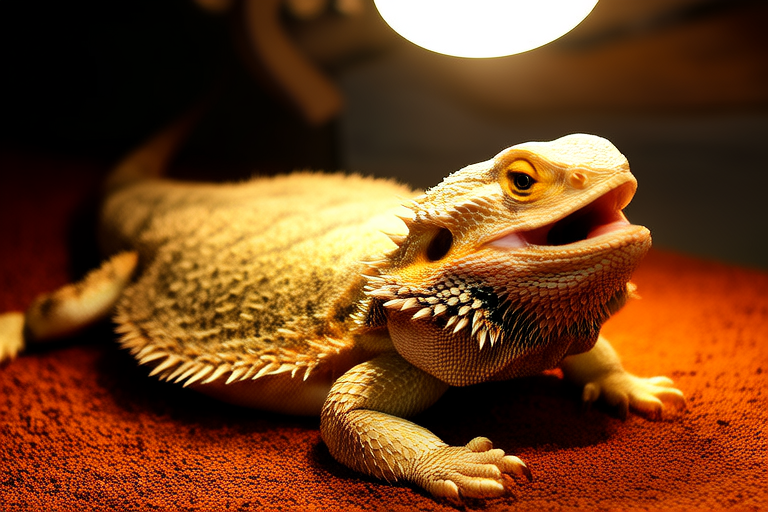
Bearded Dragon Care Myths Debunked: What Every Owner Should Know
Welcome to the world of bearded dragon ownership! These fascinating creatures have become increasingly popular as pets, but along with their growing popularity come a number of myths and misconceptions about their care. In this comprehensive guide, we will debunk some of the most common bearded dragon care myths and provide you with accurate, up-to-date information to ensure your scaly friend lives a long, healthy life.
Common Misconceptions About Bearded Dragon Care
Before diving into the specifics of care, let’s address some of the most widespread myths that can lead to improper husbandry and potentially harmful practices.
- Myth 1: Bearded dragons can eat any type of food.
- Myth 2: A glass tank is sufficient for a bearded dragon.
- Myth 3: Bearded dragons don’t need UVB lighting.
- Myth 4: Bearded dragons don’t need to drink water.
- Myth 5: Bearded dragons are easy to handle.
Debunking the Myths
Myth 1: Bearded Dragons Can Eat Any Type of Food
One of the most common misconceptions is that bearded dragons can eat anything they come across. This couldn’t be further from the truth. A balanced diet is crucial for their health and longevity.
Fact: Bearded dragons are omnivores, meaning they require a mix of plant matter and protein. Their diet should consist primarily of leafy greens and vegetables, with insects making up a smaller portion. The staple diet for adult bearded dragons includes dark leafy greens like collard greens, mustard greens, and dandelion greens. Vegetables such as squash, carrots, and bell peppers can also be included. Protein sources should be gut-loaded crickets, dubia roaches, or mealworms. It’s important to avoid feeding them iceberg lettuce, spinach, or foods high in oxalates like rhubarb, which can cause health issues.
Myth 2: A Glass Tank Is Sufficient for a Bearded Dragon
Many new owners believe that a simple glass tank is enough for their pet bearded dragon.
Fact: While glass tanks can work, they are not ideal for bearded dragons due to their poor heat retention properties. Instead, it’s recommended to use a large, well-ventilated enclosure made of wood or plastic. The enclosure should have a secure lid to prevent escape and allow for proper ventilation. Additionally, the enclosure should be at least 4 feet long, 2 feet wide, and 2 feet tall for an adult bearded dragon, providing ample space for movement and basking.
Myth 3: Bearded Dragons Don’t Need UVB Lighting
Another misconception is that bearded dragons can thrive without UVB lighting.
Fact: UVB light is essential for bearded dragons as it allows them to synthesize vitamin D3, which aids in calcium absorption. Without adequate UVB exposure, bearded dragons can develop metabolic bone disease (MBD), a serious condition that leads to weak bones and deformities. Therefore, it’s crucial to provide a high-quality UVB bulb designed for reptiles, ensuring it covers at least 50% of the enclosure. Replace the bulb every six months, even if it still appears to be working, as UVB output diminishes over time.
Myth 4: Bearded Dragons Don’t Need to Drink Water
Some owners believe that bearded dragons get all the hydration they need from the moisture in their food.
Fact: While it’s true that bearded dragons can obtain some moisture from their food, they still need access to fresh, clean water. Providing a shallow water dish allows them to hydrate themselves when needed. Additionally, misting the enclosure can help maintain humidity levels and encourage drinking. It’s important to check and refill the water dish daily to ensure it remains clean and inviting.
Myth 5: Bearded Dragons Are Easy to Handle
Many new owners assume that bearded dragons are docile and easy to handle, which can sometimes lead to improper handling techniques.
Fact: While bearded dragons can be relatively calm and gentle, they still have specific needs and preferences when it comes to handling. Always wash your hands before and after handling your bearded dragon to avoid transferring bacteria or parasites. Handle your dragon gently, supporting its body fully rather than lifting it by the tail or limbs. Be mindful of your dragon’s mood; if it puffs out its beard or darkens in color, it may be stressed or frightened. Allow your dragon time to acclimate to handling gradually, building trust through positive interactions.
Proper Diet for Bearded Dragons
A balanced diet is fundamental to your bearded dragon’s health. As mentioned earlier, bearded dragons are omnivorous, requiring a combination of plant matter and protein. Here’s a more detailed look at what constitutes a healthy diet.
Vegetables and Fruits
The bulk of a bearded dragon’s diet should consist of vegetables and fruits. Offer a variety of leafy greens, including collard greens, mustard greens, and dandelion greens. Other suitable vegetables include squash, carrots, and bell peppers. Fruits like berries and melon can be offered sparingly as treats. Always ensure that the vegetables and fruits are pesticide-free and thoroughly washed.
Insects and Protein Sources
Bearded dragons also need a source of protein, which can come from insects such as crickets, dubia roaches, and mealworms. Gut-loading these insects with nutritious food prior to feeding ensures your dragon receives additional vitamins and minerals. Avoid feeding wild-caught insects as they may carry parasites or toxins. Additionally, offer a small amount of calcium and multivitamin supplements to support overall health.
Habitat Setup for Bearded Dragons
Creating an appropriate habitat is crucial for your bearded dragon’s comfort and well-being. Let’s explore the necessary components of a well-designed enclosure.
Temperature Requirements
Bearded dragons are ectothermic, meaning they rely on external heat sources to regulate their body temperature. Maintaining the correct temperature gradient within the enclosure is essential.
The warm side of the enclosure should reach around 95-105°F (35-40°C) during the day, while the cool side should be approximately 80-85°F (27-29°C). At night, temperatures can drop slightly to around 65-70°F (18-21°C). Use a reliable thermometer to monitor temperatures accurately. Heat lamps or ceramic heaters can be used to achieve the desired warmth, but always use a thermostat to prevent overheating.
Habitat Decorations and Substrate
Providing enrichment through decorations and substrate can enhance your bearded dragon’s environment. Rocks, branches, and caves can serve as climbing structures and hiding spots. Opt for natural substrates like coconut fiber or reptile carpet, avoiding loose substrates like sand or gravel that can pose a risk of impaction.
Handling Tips for Bearded Dragons
Handling your bearded dragon correctly is important for both your safety and theirs. Here are some tips to make handling a positive experience.
Preparation Before Handling
Before picking up your bearded dragon, ensure that its enclosure is clean and free of potential hazards. Wash your hands thoroughly to avoid transferring any germs. Approach your dragon calmly and gently, allowing it to see and smell you first.
Correct Holding Techniques
When holding your bearded dragon, support its entire body with one hand under its belly and the other supporting its back. Avoid lifting your dragon by the tail or limbs, as this can cause injury. Be gentle and patient, giving your dragon time to adjust to being held.
Mood Indicators
Understanding your bearded dragon’s behavior is key to knowing when it’s comfortable or stressed. Signs of stress include puffing out the beard, darkening in color, or attempting to bite. If your dragon shows these signs, it’s best to give it some space and try again later.
Health Indicators for Bearded Dragons
Regular monitoring of your bearded dragon’s health is essential for early detection of any issues. Here are some key indicators of good health and potential problems.
Signs of Good Health
A healthy bearded dragon is active, alert, and has clear eyes and nostrils. Its skin should be smooth and free of cuts or abrasions. Regular shedding is normal, especially for younger dragons. Eating and defecating regularly are also signs of good health.
Potential Health Problems
Common health issues in bearded dragons include metabolic bone disease, respiratory infections, and parasites. Metabolic bone disease is often caused by insufficient calcium or UVB exposure and manifests as lethargy, swollen limbs, or difficulty moving. Respiratory infections can result from poor environmental conditions and present with discharge from the nose or mouth, wheezing, or labored breathing. Parasites can be introduced through contaminated food or water and may cause weight loss, diarrhea, or a dull appearance. Regular veterinary check-ups can help catch these issues early.
Advice for New Owners
Starting your journey as a bearded dragon owner can be exciting, but it also requires commitment and knowledge. Here are some final tips to ensure your bearded dragon’s longevity and well-being.
Consistent Monitoring
Regularly check the temperature, humidity, and cleanliness of the enclosure. Monitor your dragon’s eating habits, activity levels, and overall appearance. Early detection of any issues can prevent complications.
Consultation with Professionals
If you have any concerns about your bearded dragon’s health or care, consult with a veterinarian specializing in reptiles. They can provide expert advice and treatment options tailored to your dragon’s specific needs.
Patience and Love
Building a bond with your bearded dragon takes time and patience. Offer consistent, gentle handling and positive reinforcement. Over time, your dragon will learn to trust and enjoy interaction with you.
By understanding and addressing these common myths and misconceptions, you’ll be better equipped to provide optimal care for your bearded dragon. With the right knowledge and dedication, you can ensure that your scaly companion enjoys a long, happy, and healthy life.
