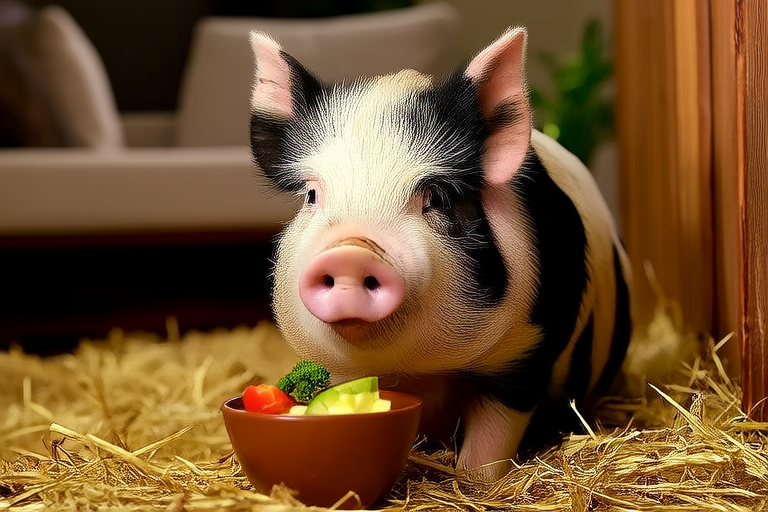
From Cage to Companionship: Transforming Your Home with a Guinea Pig
Welcome to the world of guinea pigs! These delightful creatures are beloved for their sociable nature and the unique companionship they offer. As you embark on the journey of bringing a guinea pig into your home, you’ll discover a world of joy, responsibility, and fulfillment. This guide will walk you through the essential steps to ensure your new pet thrives in its new environment.
Choosing the Right Guinea Pig
Before diving into the specifics of housing and care, it’s important to choose the right guinea pig for your lifestyle. Consider adopting from a shelter or rescue organization, where you can find a wide range of personalities and ages. If you’re opting for a young guinea pig, be prepared for a longer commitment, as they tend to live between five to seven years. Older guinea pigs might be a better fit if you’re looking for a calmer companion.
The Initial Steps of Bringing a Guinea Pig Home
Once you’ve chosen your guinea pig, the next step is preparing its new home. The first consideration is the cage. Guinea pigs require ample space to move around and play, so a cage that measures at least 7.5 square feet (or 48 inches by 24 inches) is recommended for one guinea pig. For two guinea pigs, aim for a larger area to accommodate their social needs. Position the cage away from drafts, direct sunlight, and areas with high traffic. A quiet corner of a room is ideal.
Essential Accessories
Your guinea pig’s cage should be equipped with several key accessories to ensure comfort and health. Begin with a comfortable bedding material. Shredded paper, wood shavings, or fleece liners are popular choices, offering softness and absorbency. Avoid cedar and pine shavings, as these can cause respiratory issues.
Next, provide sturdy food and water dishes. Opt for ceramic bowls that resist tipping and are easy to clean. A water bottle with a sipper tube ensures constant access to fresh water. Guinea pigs also need a variety of toys to keep them entertained. Chew toys, tunnels, and exercise wheels are excellent additions. Rotate toys regularly to prevent boredom and stimulate mental engagement.
Dietary Needs
A balanced diet is crucial for your guinea pig’s health. Hay forms the foundation of their diet, providing essential fiber for digestion. Fresh timothy hay is ideal, but orchard grass hay can also be offered. Guinea pigs should have unlimited access to hay throughout the day.
In addition to hay, offer a small amount of pellets each day. Look for high-quality pellets specifically formulated for guinea pigs, ensuring they meet all nutritional requirements. Fresh vegetables are another vital component of their diet. Dark leafy greens like kale, spinach, and romaine lettuce are excellent choices. Carrots, bell peppers, and cucumbers can be given in moderation. Always introduce new foods gradually to avoid digestive upset.
Vitamin C is particularly important for guinea pigs, as they cannot produce it themselves. Offer vitamin C-rich fruits like strawberries, oranges, and kiwi, but limit citrus fruits due to their acidity. Fresh water should always be available, and it’s a good idea to change it daily to maintain hygiene.
Grooming and Health Care
Grooming plays a significant role in maintaining your guinea pig’s health. Regular brushing helps remove loose fur and prevents matting. Use a soft-bristled brush and be gentle, especially around sensitive areas like the face and ears. Trim nails when necessary; this can be done with human nail clippers or specialized guinea pig nail trimmers. Be cautious not to cut the quick, which contains blood vessels and nerves.
Teeth also require attention. Guinea pigs’ teeth grow continuously, so provide chew toys and hay to help wear them down naturally. Check your guinea pig’s teeth regularly for any signs of overgrowth or misalignment, which could lead to dental problems. If you notice any issues, consult a veterinarian experienced with exotic animals.
Scheduling regular veterinary check-ups is essential for early detection of potential health issues. Common ailments include respiratory infections, bumblefoot, and dental problems. A veterinarian can provide guidance on vaccinations and parasite prevention. Additionally, observe your guinea pig’s behavior and appetite daily. Any changes in eating habits, energy levels, or appearance could indicate a problem.
Creating a Stimulating Environment
To ensure your guinea pig’s happiness and well-being, create an enriching environment. In addition to toys and tunnels, consider setting up a designated play area outside the cage. Supervised time in a safe, enclosed space allows your guinea pig to explore and exercise. Rotate toys and activities to prevent monotony and encourage mental stimulation.
Social interaction is equally important. Guinea pigs are social animals and thrive in the company of other guinea pigs or their human caregivers. Spend quality time with your pet, petting them gently and speaking softly. Some guinea pigs may enjoy being held, while others prefer gentle interactions on the ground. Pay attention to your pet’s cues and respect its boundaries.
The Rewarding Companionship
Bringing a guinea pig into your home transforms it into a loving habitat. These charming creatures offer companionship and joy, becoming cherished members of the family. Their playful antics and affectionate nuzzles bring smiles and laughter to every day. With proper care and attention, your guinea pig will thrive, offering a rewarding experience for both you and your furry friend.
As you embrace the responsibilities of guinea pig ownership, remember the countless benefits they bring. From their delightful personalities to their unique care needs, guinea pigs enrich lives in ways that are truly special. By following these guidelines, you’ll create a nurturing environment that ensures your guinea pig leads a happy, healthy life.
