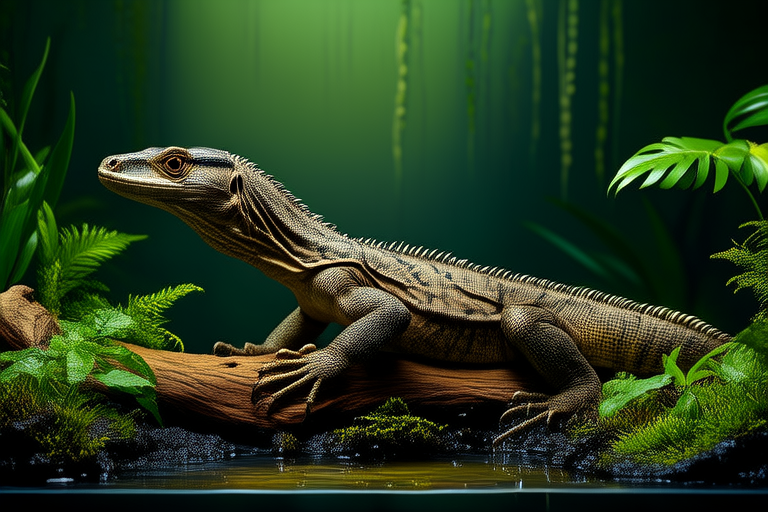
From Jungle to Home: Transform Your Space into the Ideal Habitat for a Water Monitor
Welcome to the fascinating world of water monitors! These remarkable reptiles, scientifically known as Varanus salvator, are native to Southeast Asia’s lush jungles and mangrove swamps. Their striking appearance, combined with their unique behavior, makes them a popular choice among reptile enthusiasts. However, owning a water monitor comes with significant responsibilities. This guide will help you understand their natural habitat, dietary needs, and behavioral traits, ensuring you can create an ideal living environment for your pet.
Natural Habitat
Water monitors thrive in humid, tropical environments, ranging from dense rainforests to coastal areas. They are excellent swimmers and spend considerable time in water, making aquatic environments an essential part of their habitat. In the wild, they feast on a variety of prey, including insects, small mammals, birds, and fish. Understanding these preferences is crucial when setting up their living space at home.
Dietary Needs
Water monitors are carnivorous and require a balanced diet rich in proteins and fats. Younger monitors primarily eat insects, while adults have a more diverse diet that includes rodents, fish, and occasionally eggs. It’s important to provide a variety of food items to ensure your pet receives all necessary nutrients. Avoid feeding them fatty meats like chicken or beef, as this can lead to health issues. Instead, opt for lean meats, feeder fish, and occasional reptile-specific supplements to maintain their nutritional balance.
Behavioral Traits
Water monitors are intelligent and curious creatures with distinct personalities. They are highly active and require plenty of space to move around. While they can be wary of humans, they may develop a bond with their caretakers over time. Proper handling and socialization are key to fostering a positive relationship with your pet. However, it’s essential to respect their boundaries and avoid handling them too frequently, as this can cause stress.
Setting Up the Perfect Living Environment
Tank Size
Adequate space is crucial for the well-being of your water monitor. A juvenile monitor can start in a 40-gallon tank, but as they grow, they will need much larger enclosures. By adulthood, they could require a custom-built enclosure or a room-sized setup. Always ensure there is enough space for them to swim, bask, and explore.
Substrate
The substrate you choose should mimic their natural environment and promote hygiene. Reptile-safe mulch, coconut fiber, or eco-earth are excellent choices. Avoid using sand, as it can cause impaction if ingested. Regular cleaning and substrate changes are necessary to maintain a healthy living environment.
Lighting
Water monitors require specific lighting conditions to thrive. Full-spectrum UVB lighting is essential for vitamin D3 synthesis, which aids in calcium absorption. Place the light source at one end of the enclosure to create a temperature gradient, allowing your pet to regulate its body temperature. Replace the bulbs every six months or as recommended by the manufacturer.
Temperature and Humidity
Maintaining the right temperature and humidity levels is critical for your water monitor’s health. The basking area should reach 95°F (35°C), while the cooler side should be around 80°F (27°C). Use thermometers and hygrometers to monitor these conditions accurately. Humidity should be kept between 60% and 80%, which can be achieved through misting systems or humidifiers.
Appropriate Feeding Practices
Feeding your water monitor requires careful consideration. Offer food items of appropriate size, ensuring they are not too large to choke on. Pre-killed prey is preferable to live food, as live animals can injure your pet. Feed juveniles daily, reducing frequency as they mature. Adults should be fed once or twice weekly, depending on their size and activity level. Always supervise feeding sessions and remove uneaten food promptly to prevent spoilage.
Health Care
Regular veterinary check-ups are vital for maintaining your water monitor’s health. Schedule appointments every six months or as recommended by your veterinarian. Keep an eye out for signs of illness, such as lethargy, loss of appetite, or abnormal skin coloration. Promptly address any health concerns to prevent complications. Cleanliness is also crucial; regularly clean the enclosure and provide fresh water to minimize the risk of infections.
Socialization Tips
Establishing a trusting relationship with your water monitor takes time and patience. Handle them gently and consistently, allowing them to become comfortable with human interaction. Start by offering treats and gradually increase handling time. Remember, each monitor has its own personality, so adapt your approach accordingly.
Advice on Responsible Ownership
Owning a water monitor is a long-term commitment that requires dedication and resources. Before bringing one home, ensure you have the necessary knowledge, equipment, and financial means to provide proper care. Consider the potential impact on your lifestyle and family dynamics. Water monitors can live up to 20 years, so think carefully about the lifelong responsibility involved.
In conclusion, transforming your space into the ideal habitat for a water monitor involves creating an environment that mimics their natural surroundings. By understanding their dietary needs, behavioral traits, and providing the right living conditions, you can ensure your pet thrives. Remember, responsible ownership is key to enjoying the companionship of these magnificent creatures.
