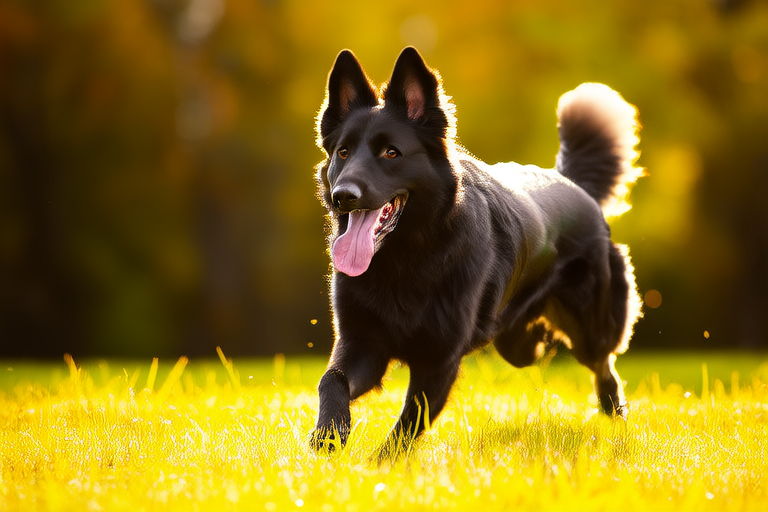
How To Keep Your German Shepherd Happy and Healthy
Welcome to the world of German Shepherds! These intelligent, loyal, and energetic dogs have been cherished companions for many years. Ensuring your German Shepherd’s happiness and health requires attention to several key areas: proper nutrition, regular exercise, mental stimulation, grooming, health issue prevention, and socialization. This guide will provide you with practical tips to help you maintain a thriving relationship with your furry friend.
Proper Nutrition for Your German Shepherd
Nutrition plays a crucial role in your German Shepherd’s overall health and well-being. A balanced diet rich in proteins, fats, carbohydrates, vitamins, and minerals is essential for maintaining muscle mass, energy levels, and healthy skin and coat.
Selecting the right food can be overwhelming given the variety of options available. Opt for high-quality dry or wet food specifically formulated for large breed dogs. Look for ingredients like chicken, lamb, or fish as primary protein sources, alongside whole grains such as brown rice or barley. Avoid foods containing fillers, artificial preservatives, colors, or flavors.
Consult with your veterinarian to determine the appropriate portion sizes based on your dog’s age, weight, activity level, and specific dietary needs. Adjust portions accordingly if your German Shepherd starts gaining or losing weight. Additionally, ensure fresh water is always available.
Regular Exercise for Your German Shepherd
German Shepherds are highly active and require daily physical activity to maintain their fitness and mental acuity. Regular exercise helps prevent obesity, strengthens muscles and joints, and reduces the risk of behavioral issues stemming from boredom or excess energy.
Walking is an excellent form of exercise that provides mental stimulation through exploration and social interaction. Aim for at least two 30-minute walks per day. For more vigorous exercise, consider running, hiking, or playing fetch in safe environments. Swimming can also be beneficial, particularly during hot weather, as it provides low-impact exercise that’s gentle on joints.
Incorporate games that challenge your dog mentally while keeping them physically active. Puzzle toys filled with treats encourage problem-solving skills and reward effort. Agility courses offer structured activities that build confidence and coordination. Always supervise your dog during outdoor play to avoid injuries.
Mental Stimulation Activities for Your German Shepherd
German Shepherds are intelligent and thrive when given opportunities to use their brains. Mental stimulation helps prevent boredom, which can lead to destructive behaviors or stress. Engage your dog’s mind with interactive toys, training sessions, and puzzles.
Select toys designed to challenge your dog’s intellect. Treat-dispensing toys require problem-solving to release hidden rewards, promoting patience and focus. Interactive feeding stations encourage your dog to work for their meals rather than being fed directly. Rotate toys periodically to maintain interest.
Training sessions are not only fun but also reinforce commands and strengthen the bond between you and your dog. Teach new tricks, practice obedience exercises, or introduce scent work games. Reward correct responses with praise, affection, and small treats. Positive reinforcement techniques, such as clicker training, foster cooperation and improve communication.
Grooming Needs for Your German Shepherd
German Shepherds have a thick double coat that requires regular grooming to keep it healthy and free of mats. Proper grooming also helps manage shedding and prevents skin problems.
Bathe your German Shepherd every six to eight weeks using a mild shampoo suitable for dogs. Brush their coat at least twice a week with a slicker brush to remove loose hair and distribute natural oils. Pay special attention to the undercoat during shedding seasons, typically spring and fall.
Clean your dog’s ears weekly to prevent infections. Use a soft cloth or cotton ball dampened with a gentle ear-cleaning solution recommended by your veterinarian. Trim nails monthly or whenever they start clicking against hard surfaces. Check your dog’s teeth regularly for tartar buildup and bad breath, brushing them at least three times a week with a pet-safe toothpaste.
Common Health Issues Prevention for Your German Shepherd
Like all breeds, German Shepherds are prone to certain health conditions. Early detection and preventive measures can significantly impact their longevity and quality of life.
Veterinary care is paramount for maintaining your dog’s health. Schedule annual check-ups and vaccinations, and consult your vet immediately if you notice any unusual symptoms. Common issues affecting German Shepherds include hip dysplasia, elbow dysplasia, degenerative myelopathy, and bloat.
To reduce the risk of hip dysplasia and other joint disorders, maintain a healthy weight and provide joint supplements recommended by your veterinarian. Encourage controlled exercise, avoiding jumping from heights or sudden changes in direction. Monitor your dog’s eating habits to prevent bloat, a potentially fatal condition characterized by stomach expansion due to gas accumulation.
Socialization Tips for Your German Shepherd
Socializing your German Shepherd early in life ensures they grow into well-adjusted, confident adults who enjoy interacting with people and other animals. Introduce your puppy to various environments, situations, and individuals under positive circumstances.
Expose your puppy to different sights, sounds, and smells during short outings. Gradually increase exposure time and complexity as your puppy becomes more comfortable. Puppy classes offer structured learning environments where your dog can interact with others safely. Continue socializing throughout adulthood by visiting parks, participating in community events, or inviting friends over.
Selecting Appropriate Toys for Your German Shepherd
Toys are vital for keeping your German Shepherd entertained and engaged. Choose durable toys that withstand rough play and promote healthy chewing habits. Consider the following options:
- Chew toys: Provide sturdy rubber or nylon chew toys to satisfy your dog’s natural urge to chew. Rotate toys regularly to maintain interest.
- Tug toys: Rope or braided tug toys allow you to engage in tug-of-war games, building strength and coordination. Supervise play to prevent accidental swallowing.
- Puzzle toys: Treat-dispensing puzzle toys challenge your dog’s mind and reward problem-solving skills. Look for toys that vary in difficulty to accommodate growing intelligence.
- Balls: Soft or rubber balls encourage fetching and provide exercise. Opt for larger sizes to reduce the risk of choking.
Training Methods for Your German Shepherd
Consistent training is essential for teaching your German Shepherd good manners and reinforcing positive behaviors. Use positive reinforcement techniques, such as praise, treats, and affection, to reward desired actions. Avoid punishment-based methods, as they can cause fear or aggression.
Begin training sessions when your dog is calm and focused. Break down tasks into manageable steps, rewarding progress along the way. Practice commands frequently in different settings to ensure reliability. Enroll in obedience classes for professional guidance and socialization opportunities.
Veterinary Care for Your German Shepherd
Regular veterinary care is critical for preventing diseases and addressing health concerns promptly. Schedule annual check-ups and vaccinations, and consult your vet immediately if you notice any unusual symptoms. Maintain accurate records of medical history, vaccinations, and treatments.
Discuss spaying or neutering with your veterinarian to prevent unwanted litters and reduce the risk of certain cancers. Dental care is equally important; brush your dog’s teeth regularly and schedule professional cleanings as needed. Monitor your dog’s weight and adjust feeding portions accordingly to prevent obesity.
Consider purchasing pet insurance to cover unexpected veterinary expenses. Review policies carefully to understand coverage limits and exclusions. Establish a relationship with a trusted veterinarian who understands your dog’s unique needs and provides compassionate care.
Conclusion
Raising a happy and healthy German Shepherd involves commitment, dedication, and love. By providing proper nutrition, regular exercise, mental stimulation, grooming, health prevention, and socialization, you can ensure your dog enjoys a long, fulfilling life. Remember that each dog is unique, so tailor your approach to suit individual preferences and requirements. With patience, consistency, and attention, you’ll create a strong bond built on trust and mutual respect.
