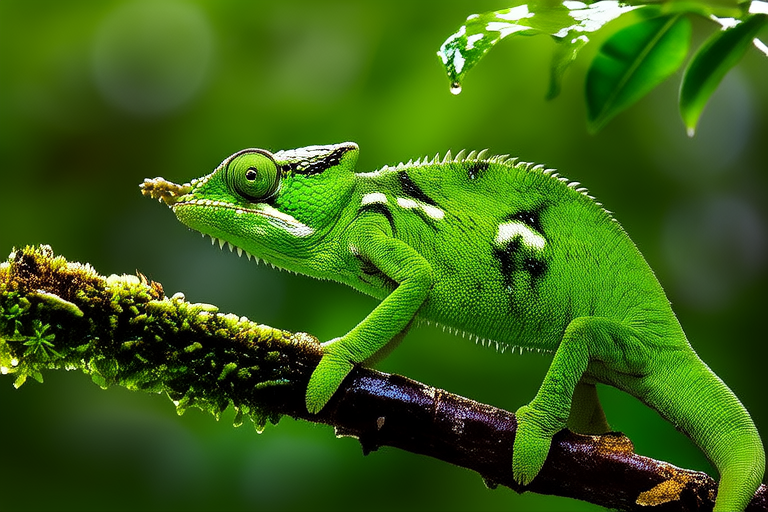
The Ultimate Guide to Caring for Your Pet Chameleon at Home
Introduction
Welcome to the world of pet chameleons! These fascinating creatures are known for their vibrant colors and unique behaviors. However, caring for a chameleon requires careful attention to their specific needs. This comprehensive guide will cover everything you need to know about setting up a proper habitat, maintaining the right environment, feeding your chameleon, handling them safely, addressing potential health issues, and establishing regular care routines. Whether you’re a first-time owner or an experienced chameleon enthusiast, this guide will provide valuable insights to ensure your chameleon thrives in its home.
Habitat Setup
A well-designed habitat is crucial for your chameleon’s health and happiness. Chameleons are arboreal animals, meaning they spend most of their time in trees. Therefore, it’s important to mimic their natural environment as closely as possible.
- Terrarium Size: A minimum of 3 feet by 2 feet by 4 feet (length x width x height) is recommended for a single adult chameleon. Larger enclosures are preferable, especially for multiple chameleons.
- Substrate: Use no substrate or a layer of coconut fiber, orchid bark, or reptile carpet. Avoid sand or gravel as these can be harmful if ingested.
- Vines and Branches: Provide plenty of sturdy branches and vines for climbing. Arrange them at different heights to encourage movement throughout the enclosure.
- Plants: Live plants like Ficus benjamina, Schefflera arboricola, and Pothos are ideal. They offer hiding spots, improve air quality, and add aesthetic appeal.
- Lighting: Install UVB lighting to provide essential vitamin D3 synthesis. Full-spectrum fluorescent bulbs are recommended. Ensure the bulb is placed within 6-12 inches of where your chameleon will bask.
- Water Source: A drip system or misting device is necessary to maintain humidity levels and provide drinking water. Chameleons rarely drink from standing water sources.
Temperature and Humidity Requirements
Maintaining appropriate temperature and humidity levels is critical for your chameleon’s well-being.
- Temperature Gradient: Create a thermal gradient with a basking spot between 85-95°F (29-35°C) and cooler areas around 75-80°F (24-27°C). Use a digital thermometer to monitor temperatures accurately.
- Basking Spot: Position a heat lamp or ceramic heater near one end of the enclosure to create a warm basking area. Ensure the lamp is out of reach to prevent burns.
- Nighttime Temperature: Allow nighttime temperatures to drop slightly but not below 65°F (18°C).
- Humidity: Maintain humidity levels between 40% and 70%. Regular misting or a fogger can help achieve this. Monitor humidity using a hygrometer.
Diet Specifics
Chameleons are insectivores and require a varied diet to stay healthy.
- Insects: Offer crickets, dubia roaches, and mealworms. Dust insects with a calcium supplement twice a week and a multivitamin once a week. Gut-load insects by feeding them nutritious foods before offering them to your chameleon.
- Fruit: Occasionally provide small amounts of fruit such as apples, berries, or melon. Make sure fruits are pesticide-free.
- Feeding Schedule: Feed juveniles daily and adults every other day. Place insects in a shallow dish or use tongs to hand-feed them.
- Hydration: Mist the enclosure twice daily to encourage drinking. You can also use a dripper system or place a shallow dish of water in the enclosure.
Handling Tips
Chameleons are delicate creatures and should be handled carefully to avoid stress or injury.
- Minimize Handling: Chameleons do not enjoy being held. Limit handling to necessary tasks like cage cleaning or medical check-ups.
- Supportive Handling: If you must handle your chameleon, support its body fully. Gently scoop it up from underneath, supporting its legs and torso.
- Safe Environment: Always handle chameleons in a secure location away from hazards. Never place them on surfaces where they could fall.
- Stress Signs: Be aware of signs of stress, such as color changes, rapid movements, or refusal to eat. If your chameleon shows these signs, reduce handling.
Health Concerns
Regular monitoring and prompt action can help prevent and address health issues.
- Metabolic Bone Disease (MBD): Caused by calcium deficiency, MBD can lead to weakened bones and paralysis. Ensure proper supplementation and UVB exposure.
- Respiratory Infections: Symptoms include wheezing, open-mouth breathing, or mucus discharge. Keep humidity levels stable and consult a veterinarian if symptoms persist.
- Parasites: Regular fecal exams can detect parasites. Clean the enclosure regularly to minimize the risk of infestation.
- Eye Issues: Retained spectacles (shedded eye caps) can cause discomfort. Soak the chameleon in lukewarm water to soften the spectacle and assist in removal.
Regular Care Routines
Establishing a routine for your chameleon’s care will ensure its long-term health and happiness.
- Cage Cleaning: Remove waste and uneaten food daily. Clean the entire enclosure thoroughly once a month, replacing substrate and disinfecting all surfaces.
- Spot Checking: Regularly check your chameleon for any signs of illness or injury. Look for changes in behavior, appetite, or physical appearance.
- Lighting Maintenance: Replace UVB bulbs every 6-12 months, even if they still appear functional. Check heat lamps for proper function and safety.
- Weight Monitoring: Weigh your chameleon monthly to track growth and overall health. Sudden weight loss or gain may indicate underlying issues.
Conclusion
Caring for a pet chameleon is a rewarding experience that comes with significant responsibilities. By following the guidelines outlined in this comprehensive guide, you’ll be well-equipped to provide your chameleon with a safe, comfortable, and stimulating environment. Remember that each chameleon is unique, so observe your pet closely and adjust its care accordingly. With proper care, your chameleon can live a long, healthy life filled with vibrant colors and fascinating behaviors.
