How to Care for Your Gentle Giant: The Ultimate Guide to Lop Rabbits
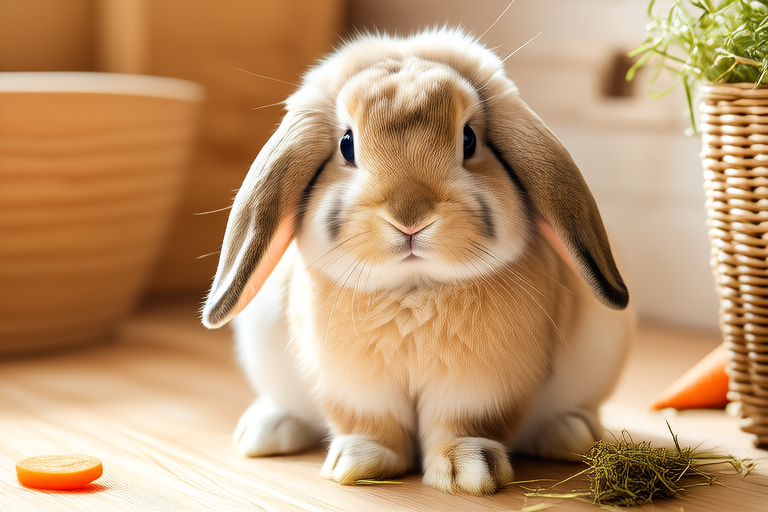
Welcome to the world of lop rabbits! These gentle giants are known for their floppy ears and affectionate nature, making them popular pets among rabbit enthusiasts. Whether you’re a first-time owner or an experienced rabbit caretaker, this comprehensive guide will provide you with all the essential information you need to ensure your lop rabbit leads a happy, healthy life.
Dietary Needs
Lop rabbits have specific dietary requirements to maintain their health and well-being. A balanced diet consists primarily of hay, fresh vegetables, and a limited amount of pellets.
- Hay: Timothy hay or grass hay should be freely available at all times. It aids digestion, promotes dental health, and provides essential fiber.
- Fresh Vegetables: Offer a variety of leafy greens such as romaine lettuce, spinach, and kale daily. Avoid feeding too much cabbage or broccoli, as these can cause digestive issues.
- Pellets: Provide a small amount of high-quality commercial rabbit pellets daily. Too many pellets can lead to obesity, so monitor the quantity carefully.
Remember to introduce new foods gradually to prevent digestive upset and always provide clean, fresh water.
Housing Requirements
Creating a comfortable living space for your lop rabbit is crucial. Choose a spacious cage with ample room for movement and a secure environment.
- Cage Size: Aim for a minimum of 4 square feet per rabbit. Larger cages are better, especially if indoor living is not an option.
- Bedding: Use absorbent bedding like shredded paper, recycled paper products, or aspen shavings. Avoid pine or cedar shavings, as they can irritate your rabbit’s respiratory system.
- Temperature: Maintain a temperature between 60°F and 75°F (15°C and 24°C). Ensure good ventilation without drafts.
- Toys: Provide safe toys for chewing and playing. This helps keep your rabbit mentally stimulated and prevents destructive behavior.
Regular cleaning of the cage is necessary to prevent odors and bacterial growth.
Grooming Tips
Despite their long, luxurious fur, lop rabbits are relatively low-maintenance when it comes to grooming. However, regular care is still important.
- Bathing: Bathe your rabbit only when absolutely necessary, as frequent bathing can strip natural oils from its coat. Use a gentle, pet-safe shampoo and avoid getting water in its ears.
- Brushing: Brush your rabbit’s fur regularly to prevent matting and remove loose hair. Long-haired breeds may require more frequent brushing.
- Nail Trimming: Trim your rabbit’s nails every few weeks to prevent overgrowth. Use nail clippers designed for small animals and be cautious not to cut the quick.
- Ears: Check your rabbit’s ears for signs of infection or irritation. Clean them gently if needed using a damp cloth.
Regular grooming sessions also provide an opportunity for bonding and strengthening your relationship with your pet.
Health Concerns
Like any pet, lop rabbits are susceptible to certain health issues. Early detection and proper care are key to maintaining their well-being.
- Common Health Issues: Common problems include dental disease, gastrointestinal stasis, and ear infections. Regular veterinary check-ups can help catch these issues early.
- Vaccinations: Rabbits generally don’t require vaccinations, but consult your veterinarian about appropriate preventive care for your area.
- Emergency Situations: Know the signs of emergencies, such as difficulty breathing, severe lethargy, or sudden lameness. Immediate veterinary attention is crucial in these cases.
Preventative measures, like a balanced diet and regular exercise, can go a long way in keeping your rabbit healthy.
Exercise Needs
Rabbits need regular exercise to stay healthy and active. Provide opportunities for supervised playtime outside the cage.
- Playtime: Allow your rabbit to explore a safe, rabbit-proofed area in your home. Remove electrical cords, toxic plants, and small objects that could be swallowed.
- Running Wheels: While not necessary, some rabbits enjoy running wheels. Ensure the wheel is large enough to prevent injury and check it regularly for wear and tear.
- Outdoor Time: If you choose to let your rabbit spend time outdoors, do so under supervision in a secure, predator-proof enclosure.
Exercise helps prevent obesity and promotes mental stimulation, leading to a happier, healthier rabbit.
Bonding Techniques
Building a strong bond with your lop rabbit takes time and patience. Here are some tips to help you establish a close relationship:
- Patience: Spend time with your rabbit daily, allowing it to get used to your presence.
- Positive Reinforcement: Reward good behavior with treats and praise. This encourages positive interactions.
- Handling: Gently handle your rabbit, being careful around its sensitive areas like the ears and belly.
- Play: Engage your rabbit in interactive play to strengthen your bond and provide mental stimulation.
Consistent, gentle handling and positive reinforcement will help build trust and create a loving relationship.
Dispelling Myths About Caring for Lop Rabbits
There are several misconceptions about caring for lop rabbits. Let’s address some of the most common ones:
- Myth: Rabbits can live entirely indoors or outdoors.
Reality: While rabbits can thrive in either setting, indoor living offers more protection from predators and harsh weather conditions. - Myth: Rabbits only need occasional grooming.
Reality: Regular grooming is necessary to keep your rabbit’s coat healthy and prevent matting. - Myth: All rabbits enjoy being held.
Reality: Some rabbits prefer not to be held. Respect your rabbit’s preferences and focus on building a bond through other interactions.
Understanding the realities behind these myths will help you provide the best care for your lop rabbit.
The Unique Characteristics of Lop Rabbits
Lop rabbits are known for their distinctive floppy ears and gentle demeanor. Their long, drooping ears make them instantly recognizable and endearing. They are generally calm, affectionate, and enjoy human companionship.
In addition to their appearance, lop rabbits are intelligent and can be trained to perform simple tricks. Their gentle nature makes them excellent pets for families with children, provided the children are taught how to handle the rabbits properly.
By understanding and embracing these unique traits, you can provide your lop rabbit with the love and care it deserves, ensuring a fulfilling life for both you and your pet.
