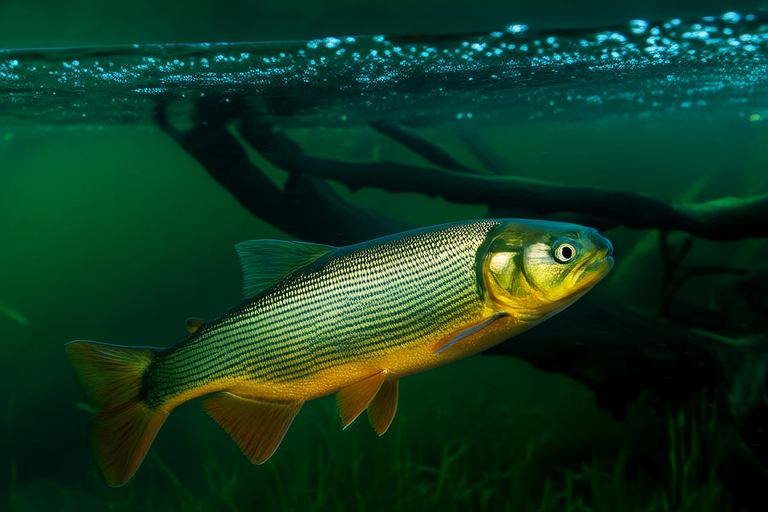
The Majestic Arowana: A Comprehensive Guide
The Arowana, also known as “Dragon Fish” or “Asian Arowana,” is a captivating species that has captured the hearts and imaginations of aquarists worldwide. With its distinctive appearance, rich history, and cultural significance, this fish stands out among freshwater species. This guide delves into the unique characteristics, historical importance, and cultural value of the Arowana, exploring its habitat preferences, care requirements, and conservation efforts.
Unique Characteristics of Arowana Fish
Arowanas are known for their elongated bodies, broad heads, and sharp teeth, making them formidable predators. Their scales are large, robust, and have a metallic sheen, which can range from gold to green depending on the species. These fish possess an impressive ability to leap out of the water to catch prey, a trait that has earned them the nickname “Dragon Fish.” They have a labyrinth organ, allowing them to breathe air, which aids in their survival in oxygen-depleted waters.
Historical Significance and Cultural Value
The Arowana’s historical and cultural significance spans across various regions, particularly in Asia. In Chinese culture, they are often seen as symbols of good luck, prosperity, and protection against evil spirits. The belief in their protective powers is so strong that many wealthy individuals keep them as pets to ward off misfortune. In Malaysia and Indonesia, Arowana fish are considered sacred and are sometimes used in traditional ceremonies.
Habitat Preferences
Native to Southeast Asia, Arowanas inhabit slow-moving rivers, swamps, and floodplains. They prefer areas with dense vegetation and plenty of cover, where they can hunt for food and hide from potential threats. When kept as pets, Arowanas can thrive in both small aquariums and larger aquatic environments. However, due to their size and predatory nature, it is essential to provide them with spacious tanks that meet their specific needs.
Tank Setup for Pet Arowanas
For enthusiasts considering Arowanas as pets, setting up an appropriate tank is crucial. The minimum recommended tank size for a single Arowana is 75 gallons, but larger tanks are preferred, especially for multiple fish. The tank should be well-filtered to maintain water quality and equipped with a powerful filtration system to handle the high bioload generated by these active predators. Adequate water circulation and regular maintenance are necessary to ensure a healthy environment.
Arowanas require ample swimming space and hiding spots. Decorations such as driftwood, rocks, and live plants can enhance the tank’s aesthetics while providing shelter. It is important to avoid decorations with sharp edges that could injure the fish. Additionally, maintaining a stable temperature between 78-84°F (25-29°C) and a pH level around 6.5-7.5 is essential for their well-being.
Dietary Needs
Arowanas are carnivorous and require a diet rich in protein. In the wild, they feed on insects, crustaceans, and smaller fish. As pets, they can be fed a variety of foods, including live or frozen feeder fish, shrimp, and pellets designed for large carnivorous species. It is important to offer a diverse diet to ensure proper nutrition and prevent boredom. Feeding once or twice daily is sufficient, and overfeeding should be avoided to maintain optimal health.
Myths and Beliefs Across Different Cultures
In addition to their physical attributes, Arowanas hold significant mythical and spiritual importance in various cultures. In Chinese folklore, they are believed to bring wealth and success, making them popular choices for feng shui placements. In some Asian communities, it is customary to release Arowanas into natural water bodies during special occasions to promote good fortune.
The Arowana’s ability to leap out of the water has also contributed to its legendary status. Some believe that this behavior is a sign of intelligence and foresight, further enhancing its mystique. Despite these beliefs, it is important to approach Arowana ownership responsibly and prioritize their welfare.
Conservation Efforts
Due to their popularity in the pet trade and habitat destruction, Arowanas face significant threats in the wild. Conservation efforts are underway to protect these magnificent creatures and preserve their natural habitats. Organizations and governments are working together to implement sustainable fishing practices, establish protected areas, and raise awareness about the importance of preserving biodiversity.
One notable initiative is the captive breeding program aimed at reducing pressure on wild populations. By encouraging responsible breeding and promoting ethical sourcing, these programs contribute to the long-term survival of Arowanas. Additionally, international regulations, such as CITES, play a vital role in controlling the trade of endangered species and ensuring their protection.
Conclusion
The Arowana is a fascinating and culturally significant fish that captivates both novices and experienced aquarists alike. Understanding their unique characteristics, habitat preferences, and care requirements is essential for those considering them as pets. By prioritizing their welfare and supporting conservation efforts, we can help ensure the survival of these magnificent creatures for future generations.
