Adopting an Abyssinian: What You Need to Know Before Bringing One Home
Welcome to the world of Abyssinians! Known for their striking appearance and lively personalities, these cats have captured the hearts of many cat lovers. If you’re considering adopting an Abyssinian, this guide will provide you with all the essential information to help you make an informed decision.
Introduction: Unique Characteristics of Abyssinians
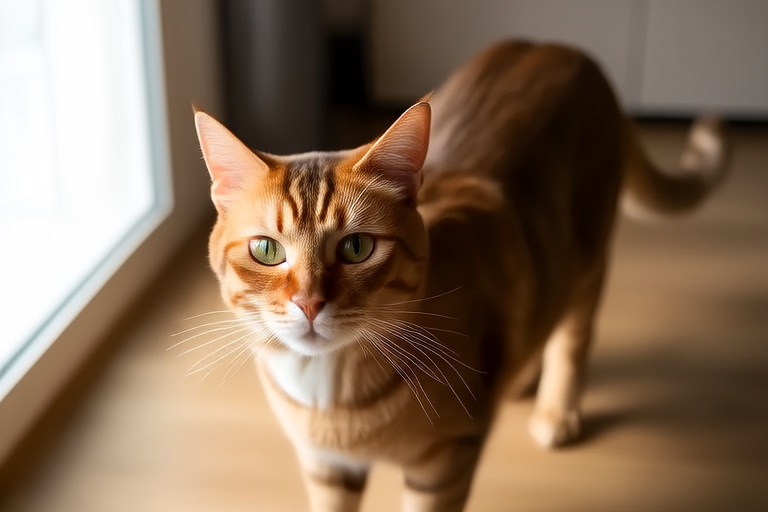
Abyssinians are one of the oldest recognized breeds of domestic cats, and they possess a distinctive look that sets them apart from others. Their sleek, muscular bodies are complemented by large ears and expressive almond-shaped eyes, typically green or gold. The most notable feature of an Abyssinian is its ticked coat, which features bands of color on each individual hair, giving the cat a shimmering, almost iridescent appearance. This unique coat pattern is often referred to as ‘ticking’ and is what gives Abyssinians their regal, wild look.
History of Abyssinians
The origins of the Abyssinian breed are somewhat shrouded in mystery, but it’s widely believed that they were first brought to England from Ethiopia (formerly known as Abyssinia) in the mid-19th century. Despite their name, there is no concrete evidence linking them directly to Ethiopia, but their striking resemblance to the cats depicted in ancient Egyptian art has fueled speculation about their ancestry. Regardless of their true origin, Abyssinians have been cherished companions for centuries, and their popularity continues to grow.
Appearance
Abyssinians are medium-sized cats with a graceful, athletic build. They have long legs, a slender neck, and a wedge-shaped head that enhances their elegant appearance. Their coats come in various colors, including ruddy, blue, fawn, and cinnamon. Each hair has multiple bands of color, which creates a stunning effect when light hits the fur at different angles. The ticking pattern is most prominent on their back, tail, and sides, while the undercoat remains lighter. This coat requires regular grooming to maintain its lustrous appearance.
Common Health Issues
Like all purebred cats, Abyssinians may be prone to certain health conditions. It’s important to be aware of these potential issues so you can provide your cat with the best care possible. Common health problems include dental issues, renal amyloidosis (a condition where proteins accumulate in the kidneys), and hypertrophic cardiomyopathy (HCM), a heart disease that can lead to sudden death if left untreated. Regular veterinary check-ups and genetic testing can help detect these issues early and improve your cat’s quality of life.
Grooming Tips
Maintaining your Abyssinian’s coat is crucial for keeping it healthy and beautiful. While their short, fine coat doesn’t require excessive grooming, regular brushing can help remove loose hairs and prevent matting. Use a soft-bristled brush or a rubber curry comb to gently brush your cat’s fur once or twice a week. Bathing is generally unnecessary unless your cat gets particularly dirty, but if you do need to bathe your Abyssinian, use a mild shampoo specifically designed for cats. Additionally, pay attention to your cat’s dental hygiene by brushing their teeth regularly and providing them with chew toys to help reduce tartar buildup.
Dietary Needs
Abyssinians have high energy levels, which means they require a balanced diet rich in protein and calories to fuel their active lifestyle. Choose a high-quality commercial cat food that lists meat as the primary ingredient, and avoid foods containing fillers like corn or wheat. You can also supplement their diet with occasional treats, but be mindful of portion sizes to prevent obesity. Fresh water should always be available, and it’s a good idea to provide multiple water sources throughout your home to encourage your cat to drink more.
Exercise Requirements
Abyssinians are incredibly active and playful, so it’s important to provide them with plenty of opportunities for exercise and mental stimulation. Interactive toys such as feather wands, laser pointers, and puzzle feeders can keep your cat entertained and engaged. Consider setting up climbing structures or perches to allow your cat to explore vertical spaces, and dedicate some time each day to play sessions. Encouraging physical activity not only helps maintain your cat’s weight but also strengthens the bond between you and your pet.
Social and Behavioral Traits
Abyssinians are known for their friendly and outgoing personalities. They enjoy human company and often seek out affection from their owners. However, they can be quite independent and may not always want constant attention. These cats thrive in households with older children who understand how to interact respectfully with animals. When introducing an Abyssinian to a new family member, it’s important to supervise interactions and ensure that everyone understands the boundaries. Abyssinians tend to get along well with other pets, especially if introduced gradually and given time to adjust.
Creating a Suitable Living Environment
To create a comfortable and stimulating environment for your Abyssinian, consider the following:
- Safe Spaces: Provide your cat with several safe spaces where they can retreat when they need some alone time. This could be a cozy bed in a quiet room or a high perch with a view.
- Climbing Structures: Install cat trees or shelves to allow your cat to explore vertical spaces and satisfy their natural climbing instincts.
- Scratching Posts: Cats need to scratch to maintain their claws and mark their territory. Place scratching posts in areas where your cat spends the most time.
- Toys and Enrichment: Rotate toys regularly to keep your cat interested and engaged. Puzzle feeders and interactive toys can provide mental stimulation and prevent boredom.
Potential Challenges of Ownership
While Abyssinians are wonderful companions, owning one does come with certain challenges. Their high energy levels and intelligence mean they can become bored easily if not provided with adequate mental and physical stimulation. Additionally, their independent nature might make them less inclined to follow commands or perform tricks compared to some other breeds. Patience and understanding are key when dealing with these challenges. Remember that every cat is an individual, and what works for one Abyssinian may not work for another.
Conclusion: Resources for Further Information and Support
Bringing an Abyssinian into your home is a rewarding experience, but it also comes with responsibilities. By understanding their unique needs and providing proper care, you can ensure that your cat lives a happy and healthy life. For further information and support, consider joining online forums or local cat clubs where you can connect with other Abyssinian owners. Your veterinarian is also a valuable resource for guidance on health and wellness. With love, patience, and attention, your Abyssinian will bring years of joy and companionship to your household.
