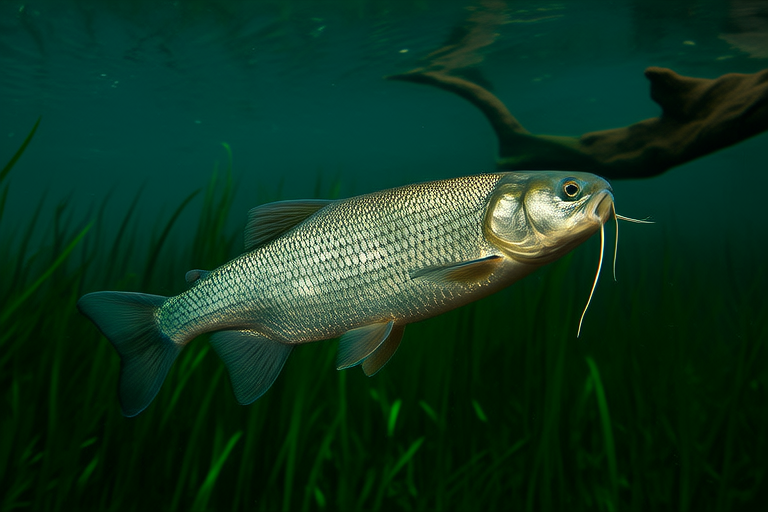
The Enigmatic Arowana: A Comprehensive Guide
The arowana (Osteoglossidae family) is a captivating and highly sought-after freshwater fish known for its unique characteristics and cultural significance. This guide explores the origins, appearance, behavior, habitat, and care requirements of the arowana, delving into myths, legends, and its role in aquariums. We will also cover scientific facts, conservation status, and recent research developments.
Origins and Appearance
Arowanas have existed for millions of years, with fossil records dating back to the Cretaceous period. They are found in various parts of Asia, South America, and Africa. The most popular species among aquarists are the Asian arowana (Scleropages formosus), African arowana (Heterotis niloticus), and the silver arowana (Osteoglossum bicirrhosum).
The Asian arowana is characterized by its long, sleek body adorned with shimmering scales that can be red, green, golden, or albino. It has a protruding lower jaw with barbels and an elongated dorsal fin. The silver arowana, native to the Amazon Basin, boasts a silvery sheen and a long, slender body. In contrast, the African arowana has a more robust build with a broad head and a rounded tail.
Behavior and Habitat
Arowanas are predatory fish that hunt for food near the water’s surface. They exhibit a fascinating behavior called “jumping,” where they leap out of the water to catch insects and small birds. This behavior is believed to have evolved as a survival strategy in their natural habitats.
In the wild, arowanas inhabit slow-moving rivers, floodplains, and swamps with dense vegetation. They prefer warm, acidic waters with a pH range of 6.0-7.0 and a temperature between 24°C and 30°C. Arowanas are territorial and may become aggressive towards other fish, especially those of similar size or shape.
Cultural Significance
Arowanas hold significant cultural value, particularly in Southeast Asia, where they are considered symbols of good luck, prosperity, and protection. In Chinese culture, the arowana is often referred to as the “Dragon of the Water” due to its resemblance to mythical dragons. It is believed that keeping an arowana in the home brings financial success and wards off evil spirits.
Care Requirements
Due to their size and specific needs, arowanas require large aquariums equipped with powerful filtration systems, heaters, and ample swimming space. A 200-gallon tank is recommended for a single adult arowana, but larger tanks are ideal for multiple fish. Regular water changes and maintenance are crucial to ensure optimal water quality.
Arowanas are carnivorous and require a varied diet consisting of live, frozen, or freeze-dried foods such as feeder fish, shrimp, worms, and pellets. Feeding should be done sparingly, as overfeeding can lead to health issues. It is essential to provide a balanced diet and monitor the fish’s weight and overall health.
Myths and Legends
The arowana’s reputation as a bringer of good fortune is rooted in ancient beliefs. In Malaysia, it is said that arowanas can predict the future and protect their owners from harm. In Thailand, the fish is associated with the mythical Naga serpent, a symbol of royalty and divine power. These legends have contributed to the arowana’s popularity as a decorative fish and pet.
Role in Freshwater Aquariums
Arowanas are prized for their striking appearance and unique behavior, making them a favorite among aquarists. However, their specialized care requirements and territorial nature make them unsuitable for beginners. Experienced aquarists who can provide the necessary conditions and attention are better suited to keep these magnificent creatures.
Scientific Facts and Conservation Status
The IUCN Red List categorizes the Asian arowana as endangered due to overfishing and habitat destruction. Efforts are being made to conserve the species through captive breeding programs and habitat restoration initiatives. Recent studies have explored the genetic diversity and population dynamics of arowanas, providing valuable insights into their conservation and management.
One notable development is the discovery of a new species of arowana in the Amazon Basin. This finding highlights the ongoing importance of research and exploration in understanding the diversity and distribution of arowanas worldwide.
Tips for Potential Owners
If you’re considering adding an arowana to your aquarium, here are some essential tips:
- Research thoroughly: Learn about the specific care requirements, behavior, and dietary needs of the arowana species you’re interested in.
- Provide appropriate housing: Ensure your aquarium is large enough and properly equipped to meet the arowana’s needs.
- Monitor water quality: Maintain optimal water parameters by performing regular water changes and monitoring pH, temperature, and ammonia levels.
- Feed appropriately: Offer a balanced diet and avoid overfeeding.
- Be patient: Arowanas can be shy and may take time to acclimate to their new environment.
Conclusion
The arowana is a fascinating and culturally significant fish that captivates aquarists with its unique appearance, behavior, and mythology. By understanding their origins, care requirements, and cultural significance, you can provide a safe and enriching environment for these majestic creatures. With proper research and preparation, keeping an arowana can be a rewarding experience for experienced aquarists.
