How to Safely Handle a Tarantula: Insider Tips from an Expert
Welcome to the fascinating world of tarantulas! These large, hairy spiders have gained immense popularity as exotic pets due to their unique appearance and relatively low maintenance requirements. Despite their intimidating looks, tarantulas are generally docile creatures that can make rewarding companions for the right owner. However, the idea of handling these eight-legged wonders often instills fear in many potential pet owners. This comprehensive guide aims to demystify the process of safely handling a tarantula, offering you the confidence and knowledge needed to enjoy this captivating hobby.
The Popularity and Common Fears
Tarantulas have become increasingly popular among reptile enthusiasts and arachnophiles alike. Their diverse range of species, each with its own distinct coloration and behavior, makes them a favorite subject for collectors. From the fuzzy pink zebra tarantula to the striking Mexican redknee, there’s a tarantula to suit every taste. Yet, despite their growing appeal, many people hesitate to interact with these creatures out of fear of being bitten or accidentally harming the spider.
It’s important to understand that while tarantulas possess venom, it is generally harmless to humans. In fact, most species’ bites are comparable to a bee sting in terms of severity. The real danger lies in improper handling techniques that could lead to stress for the tarantula or accidental escape. By learning the correct methods, you can ensure both your safety and the well-being of your pet.
Preparation Before Handling
Before attempting to handle your tarantula, thorough preparation is essential. Start by ensuring that the environment where you’ll be handling the spider is suitable. Choose a spacious, quiet area free from distractions and potential hazards. A table covered with a soft cloth provides a comfortable surface for both you and your tarantula.
Next, familiarize yourself with your tarantula’s behavior. Each species has unique characteristics, and understanding these will help you anticipate its reactions during handling. For instance, some tarantulas prefer darkness and may become agitated when exposed to bright lights. Others might be more tolerant of handling but still require gentle care. Researching your specific species will give you valuable insights into its needs.
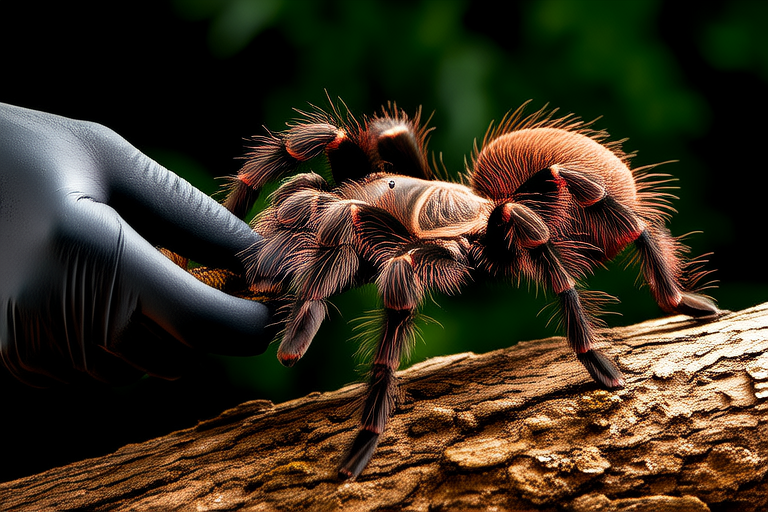
Ensure that your hands are clean and free of any strong-smelling substances. Tarantulas have sensitive chemoreceptors located on their legs, and strong odors can cause distress. It’s also advisable to wear gloves, especially if you’re new to handling these creatures, as they provide an extra layer of protection against accidental bites.
Proper Techniques for Picking Up and Holding
Picking up a tarantula requires patience and gentle movements. Begin by placing one hand gently over the front part of the tarantula’s body, ensuring that your fingers are spread wide enough to avoid squeezing the spider. Use your other hand to support the rear section of the body, creating a cradle that keeps the tarantula secure. Remember, tarantulas are quite fragile, so avoid applying too much pressure or lifting them too quickly.
Once you’ve picked up your tarantula, hold it gently but firmly. Allow the spider to rest on your palm, keeping your fingers slightly curled to prevent it from escaping. If your tarantula feels threatened or stressed, it may attempt to flick urticating hairs off its abdomen. These tiny barbed hairs can irritate human skin, so it’s crucial to handle your tarantula with care.
When setting your tarantula down, approach the task with the same caution as when picking it up. Gently lower the spider onto the surface of its enclosure or another safe location. Avoid dropping or slamming the tarantula, as this can cause injury.
Safety Measures to Prevent Bites or Escapes
To minimize the risk of bites, always handle your tarantula with respect and patience. Tarantulas are generally not aggressive, but they may defend themselves if they feel threatened. If your tarantula does bite, remain calm and seek medical attention if necessary. Most bites are minor and can be treated with basic first aid, but it’s wise to consult a healthcare professional if you experience severe symptoms.
Escapes are another concern when handling tarantulas. To prevent this, always ensure that the environment you’re working in is free from cracks or openings where the spider could slip through. Additionally, consider using a lid or cover on your handling area to create a barrier between the tarantula and the surrounding space. Regularly check your tarantula’s enclosure for any signs of wear or damage that could lead to an escape.
Insider Tips for Handling Tarantulas
Understanding tarantula behavior is key to successful handling. Some species, like the Mexican redknee, are more tolerant of handling than others, such as the Brazilian giant whiteknee. Take time to observe your tarantula’s natural behaviors and adjust your handling techniques accordingly. For example, if your tarantula prefers hiding under its hide box, allow it to retreat there after handling rather than forcing it to stay out in the open.
Choosing the right environment for handling is crucial. Opt for a dimly lit room with minimal noise to reduce stress on your tarantula. A temperature range of 75-85°F (24-29°C) is ideal, as tarantulas thrive in warm conditions. Humidity levels should also be maintained within a safe range for your particular species. For example, arboreal tarantulas typically require higher humidity than terrestrial species.
If you find yourself bitten by your tarantula, don’t panic. First, wash the affected area thoroughly with soap and water. Apply a cold compress to reduce swelling and pain. If the bite becomes infected or shows signs of severe reaction, seek medical attention immediately. While tarantula bites are rarely dangerous, prompt treatment ensures your safety.
The Rewarding Experience of Owning and Handling Tarantulas
Owning and handling tarantulas can be a deeply rewarding experience. These fascinating creatures offer a unique connection to the natural world, allowing you to appreciate the beauty and complexity of arachnids. With proper care and respect, you can build a trusting relationship with your tarantula, making each interaction a delightful moment.
Experts agree that the key to successful tarantula ownership lies in education and patience. By taking the time to learn about your tarantula’s specific needs and preferences, you can ensure a happy and healthy life for your pet. Remember, tarantulas are living beings with their own personalities and quirks, and treating them with kindness and understanding will foster a positive bond.
In conclusion, handling a tarantula safely is achievable with the right knowledge and precautions. By preparing adequately, using proper techniques, and following safety measures, you can enjoy the rewarding experience of interacting with these amazing creatures. Embrace the journey of learning about tarantulas, and you’ll discover a world full of wonder and fascination.
