Scottish Fold Cats: Unique Characteristics, History, and Popularity
The Scottish Fold is one of the most recognizable and beloved cat breeds in the world, known for its distinctive folded ears and friendly disposition. This article delves into the unique characteristics and traits of Scottish Fold cats that contribute to their widespread appeal. It explores their physical attributes, temperament, and care requirements, as well as their historical background, cultural impact, and celebrity associations. Additionally, it examines common misconceptions about the breed and provides expert opinions on health concerns and how breeders address these issues. Finally, it compares and contrasts the Scottish Fold with other cat breeds to highlight what makes them particularly appealing and concludes with insights into future trends in cat breeding and ownership related to this breed.
Distinctive Folded Ears
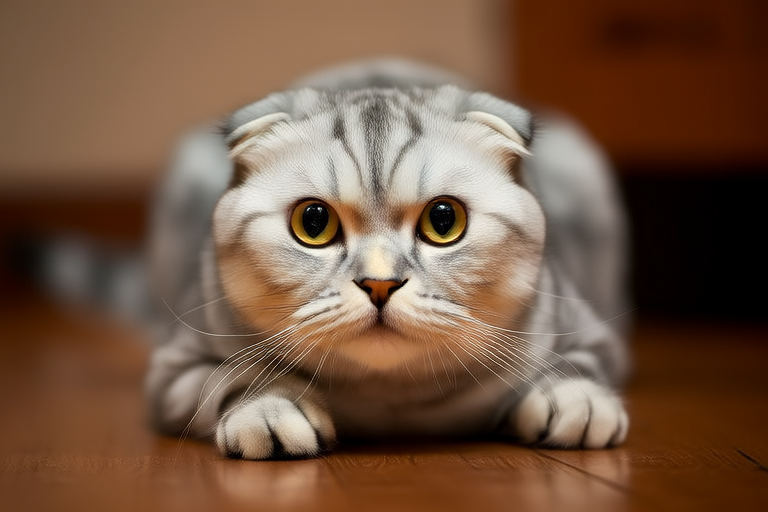
The most notable feature of the Scottish Fold is its folded ears, which give the breed its name. The fold is caused by a genetic mutation that affects the cartilage of the ear, causing it to fold forward and down. Not all kittens born to Scottish Fold parents will have folded ears; only those inheriting the dominant gene from both parents will develop the characteristic fold. These cats often have a round face and large, expressive eyes, further enhancing their distinctive appearance.
Temperament and Care Requirements
Scottish Folds are known for their calm and affectionate nature, making them excellent companions for families and individuals alike. They are generally good-natured and adaptable, enjoying the company of humans and other pets. However, they require regular grooming due to their dense, short fur, which can mat if not properly maintained. Regular brushing helps prevent matting and keeps their coat shiny and healthy.
Historical Background and Breed Development
The Scottish Fold originated in Scotland in the 1960s when a barn cat named Susie, who had naturally folded ears, was bred with a local tomcat. Her offspring included both folded-eared and straight-eared kittens, and the breed was developed through selective breeding. In 1978, the breed was officially recognized by The International Cat Association (TICA), and in 1991, it received championship status. Despite their popularity, there are ongoing debates within the cat fancy about the ethics of breeding Scottish Folds due to potential health issues associated with the folding gene.
Cultural Impact and Celebrity Associations
Scottish Folds have made appearances in popular culture, including movies, TV shows, and advertisements. They have also been owned by several celebrities, such as Taylor Swift and Demi Lovato. Their unique appearance has made them popular subjects for photographers and artists, and they frequently appear in social media posts and online communities dedicated to pet lovers.
Common Misconceptions About the Breed
One common misconception about Scottish Folds is that all of them suffer from severe health problems due to their folded ears. While it’s true that some health issues are associated with the folding gene, responsible breeding practices can significantly reduce the risk of these conditions. Another misconception is that all Scottish Folds must have folded ears; however, straight-eared cats from the same litter are considered part of the breed and may be equally desirable as pets.
Health Concerns and Breeder Practices
Experts agree that while the folding gene can cause certain health issues, responsible breeding practices can help minimize these risks. Some breeders choose to pair folded-eared cats with straight-eared ones to reduce the likelihood of congenital health problems. Others focus on maintaining genetic diversity within the breed to promote overall health and longevity. It’s important for potential owners to research reputable breeders who prioritize the well-being of their cats over aesthetics.
Comparison with Other Cat Breeds
When compared to other cat breeds, Scottish Folds stand out for their distinctive appearance and gentle temperament. They share similarities with British Shorthairs in terms of body type and coat texture but differ in their folded ears and more expressive facial features. Compared to American Shorthairs, Scottish Folds tend to be more laid-back and less active, making them ideal for households where a quiet companion is desired. Their unique combination of looks and personality sets them apart from many other breeds and contributes to their enduring popularity.
Future Trends in Cat Breeding and Ownership
As interest in exotic and rare breeds continues to grow, the demand for Scottish Folds is likely to remain strong. Advances in veterinary medicine and genetics may lead to improved understanding and management of health issues related to the folding gene, potentially increasing the availability of healthier cats. Additionally, as more people adopt pets for companionship rather than competition or show purposes, the emphasis on individual traits like temperament and adaptability will become even more important. This shift could benefit breeds like the Scottish Fold, whose primary appeal lies in their charming personalities rather than specific physical attributes.
In conclusion, the Scottish Fold is a fascinating breed with a rich history and many endearing qualities. Their distinctive folded ears, combined with their gentle nature and adaptability, make them highly sought-after pets. By understanding the breed’s origins, characteristics, and potential challenges, prospective owners can make informed decisions about whether a Scottish Fold would be a good fit for their lifestyle. As the field of cat breeding evolves, continued attention to health and welfare will ensure that this beloved breed remains a cherished member of the feline family for generations to come.
