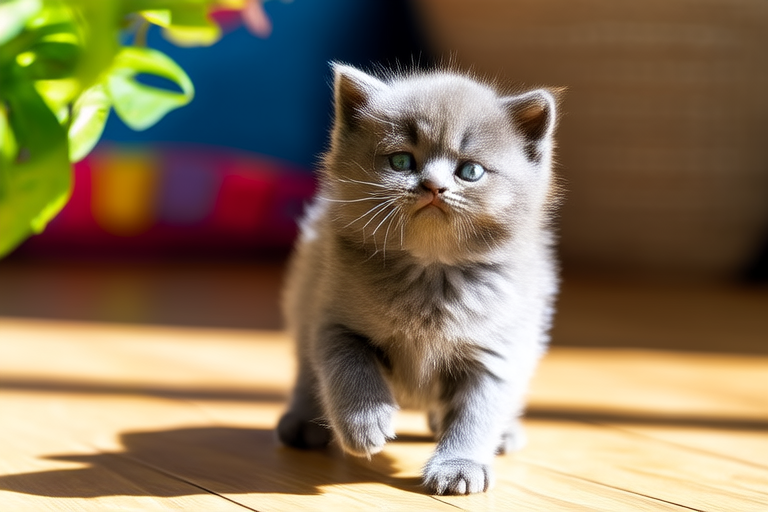
Living Large in a Small Package: Tips for Raising Munchkin Kittens
Munchkin kittens have captured the hearts of cat lovers around the world with their adorable, short-legged appearance. However, these little bundles of joy come with unique challenges that require careful attention from their owners. In this guide, we will explore practical advice for raising Munchkin kittens, focusing on proper nutrition, exercise, healthcare, and adapting your living space to accommodate their special needs. We’ll also address common misconceptions about the breed and provide tips on socialization, training, and bonding with these charming cats.
Understanding the Munchkin Breed
The Munchkin cat is a relatively new breed, recognized by The International Cat Association (TICA) in 1994. Their most distinctive feature is their unusually short legs, which can range from slightly stubby to extremely short. Despite their diminutive stature, Munchkins are known for their playful, outgoing personalities and strong, sturdy bodies. These cats are intelligent and affectionate, making them excellent companions for families and individuals alike.
One common misconception about Munchkins is that they are prone to health issues due to their genetic mutation. While it’s true that their shortened limbs can lead to some specific concerns, with proper care, these cats can live long, healthy lives. It’s important to choose a reputable breeder who screens for health problems and provides a supportive environment for the kittens.
Nutrition for Munchkin Kittens
Proper nutrition is essential for the growth and development of any kitten, but it’s especially crucial for Munchkin kittens due to their unique physical characteristics. A high-quality diet rich in protein and essential nutrients will help support their bone and joint health. Consult with your veterinarian to determine the best food for your kitten based on its age, weight, and activity level.
When introducing new foods, do so gradually to avoid digestive upset. Always provide fresh water and consider adding a small amount of water to dry food to make it more appealing. As your kitten grows, you may need to adjust their portion sizes or switch to adult cat food to prevent obesity, which can put additional strain on their joints.
Exercise and Playtime
Munchkin kittens are naturally curious and energetic, so they require regular playtime to stay healthy and happy. Despite their shorter legs, they enjoy climbing, jumping, and exploring their surroundings. To encourage safe play, provide them with sturdy scratching posts, tunnels, and toys that stimulate their minds and bodies.
Outdoor play is not recommended for Munchkin kittens due to their limited mobility and vulnerability to predators. Instead, create an indoor playground with vertical spaces like shelves, cat trees, and window perches to mimic their natural environment. This will help them burn off energy and maintain flexibility in their joints.
Healthcare and Veterinary Care
Regular veterinary check-ups are vital for monitoring the health of your Munchkin kitten. Your vet will monitor their growth, check for any joint issues, and recommend appropriate vaccinations and preventive treatments for parasites. Spaying or neutering your kitten at the right age is also important for their overall well-being.
While Munchkins generally have good health, they may be more susceptible to certain conditions such as lordosis (an inward curve of the spine), pectus excavatum (a deformity of the chest wall), and joint issues. Keep an eye out for signs of discomfort or pain, and consult your veterinarian if you notice any unusual behavior or physical changes.
Adapting Your Home for Munchkin Kittens
To ensure your Munchkin kitten feels comfortable and secure, make some adjustments to your home environment. Provide ramps or steps to help them reach higher surfaces, and use non-slip flooring to prevent accidents. Install cat flaps or pet doors to give them easy access to different areas of the house.
Consider purchasing furniture designed specifically for short-legged cats, such as low-profile litter boxes and food and water bowls. You can also use cushions or pillows to create soft landing spots for your kitten when they jump down from elevated surfaces.
Socialization and Training
Early socialization is key to raising a well-adjusted Munchkin kitten. Expose them to various people, animals, and environments from a young age to build confidence and reduce anxiety. Positive reinforcement training methods, such as clicker training, can help teach your kitten basic commands and good manners.
Teaching your kitten to use the litter box is usually straightforward, but you may need to place the box in a location that’s easily accessible. If your kitten has difficulty reaching the litter box, consider placing a ramp or stepping stool nearby. Be patient and consistent with training, offering treats and praise to reinforce positive behaviors.
Bonding with Your Munchkin Kitten
Building a strong bond with your Munchkin kitten is one of the most rewarding aspects of ownership. Spend quality time together each day through interactive play, grooming sessions, and cuddle time. Speak softly and calmly to your kitten, and offer gentle petting to show affection.
Respect your kitten’s boundaries and allow them to approach you at their own pace. Some kittens may be more reserved than others, and it’s important to give them space when needed. Over time, your patience and kindness will foster a deep, trusting relationship between you and your furry friend.
Common Misconceptions About Munchkin Cats
Despite their popularity, there are several misconceptions surrounding Munchkin cats. One common myth is that they are unable to hunt or defend themselves due to their short legs. In reality, Munchkin cats are agile and resourceful, often finding creative ways to catch prey or protect themselves from danger.
Another misconception is that all Munchkins suffer from severe mobility issues. While some may experience joint problems, many Munchkin cats lead active, normal lives without significant limitations. Proper care and attention can help minimize any potential difficulties.
Closing Thoughts
Raising a Munchkin kitten is a rewarding experience filled with love, laughter, and endless entertainment. By following these tips and providing a nurturing environment, you can ensure your kitten grows into a healthy, happy adult cat. Remember to always prioritize your kitten’s well-being and seek professional advice when necessary. With patience, understanding, and lots of love, you’ll create lasting memories with your special little companion.
